

Determining responsibility for sea freight insurance depends on Incoterms 1 in your sales contract. It can either be the buyer or seller, depending on terms like CIF or FOB. I recommend considering ICC(A) for its all-risk coverage.
Generally, ICC(A) is suggested for protecting high-value shipments like Easy Open Ends, covering most external damage causes. The claims process involves quick notification and robust documentation to preserve rights and strengthen claims.
Understanding insurance responsibility, coverage options, and claims can mitigate risks. Let’s explore these to enhance your insurance strategy for international shipping.
Under what Incoterms do you typically cover sea freight insurance for my Easy Open Ends, and do you recommend ICC(A) all-risk coverage for my shipments from China?
Incoterms define who is responsible for insurance. Under FOB, the buyer arranges cover after goods are loaded; under CIF, the seller organizes insurance. ICC(A) 2 is ideal for protecting shipments from most external threats during sea transit.

To delve deeper, Incoterms are vital in determining insurance responsibility. Here’s a brief overview of how this works with Easy Open Ends shipments:
Incoterms Overview
| Incoterm | Buyer Responsibility | Seller Responsibility |
|---|---|---|
| FOB | Arrange insurance post-loading | None |
| CIF | None | Cover insurance for buyer |
ICC(A) all-risk coverage is recommended for your goods due to its comprehensive protection. It covers a wide range of incidents: theft, piracy, partial losses, etc., which could affect Easy Open Ends 3 sensitive to moisture or impact. Comparing it with ICC(B) or ICC(C), which cover only specific major accidents like vessel sinking, ICC(A) provides superior protection.
Considerations for ICC(A) Coverage
- Advantages: Covers most external damage causes, including theft and partial loss.
- Exclusions: Items like inherent vice, poor packing, or intentional misconduct are not covered.
- Efficiency: For regular shipments, an Open Cover policy 4 is more efficient than individual certificates, extending ICC(A) terms automatically.
ICC(A) coverage stands out for its comprehensiveness in protecting against most shipment risks.
Can you explain the typical claims process for damaged Easy Open Ends during sea transit, and what documentation is required from my side?
The claims process begins with notifying your insurer/agent immediately after damage discovery. Also, preserve rights against the carrier via formal notices. Key documents include an insurance certificate, the bill of lading 5, and photos of the damage.

Steps in the Claims Process
A structured approach is crucial in efficiently handling claims:
-
Immediate Notification & Mitigation Report damage within 24 hours of discovery. Prevent further loss—quick action reduces claim processing time.
-
Carrier Rights Preservation Lodge claims with the carrier. Insist on damage notes upon delivery. Avoid signing clean receipts 6, which can weaken claims.
-
Survey & Evidence Collection Insurers often conduct independent surveys 7 for substantial claims. Cooperation is vital to validate the incident documentation.
Essential Documentation
| Document Type | Description |
|---|---|
| Insurance Certificate | Proof of policy and coverage details |
| Bill of Lading | Provides shipment specifics |
| Commercial Invoice | Indicates transaction value and terms |
| Photos of Damaged Cargo | Timestamped visual evidence of damage |
A sound claims management strategy involves timely documentation and coordination among involved parties to streamline the process.
What is the cost implication if I request full ICC(A) all-risk insurance for my Easy Open Ends, and can it be included in my DDP pricing?
Requesting ICC(A) adds costs based on cargo value, usually a percentage of the CIF value plus 10%. It can be integrated into the DDP pricing 8 by adjusting for insurance, profit, and overhead costs.
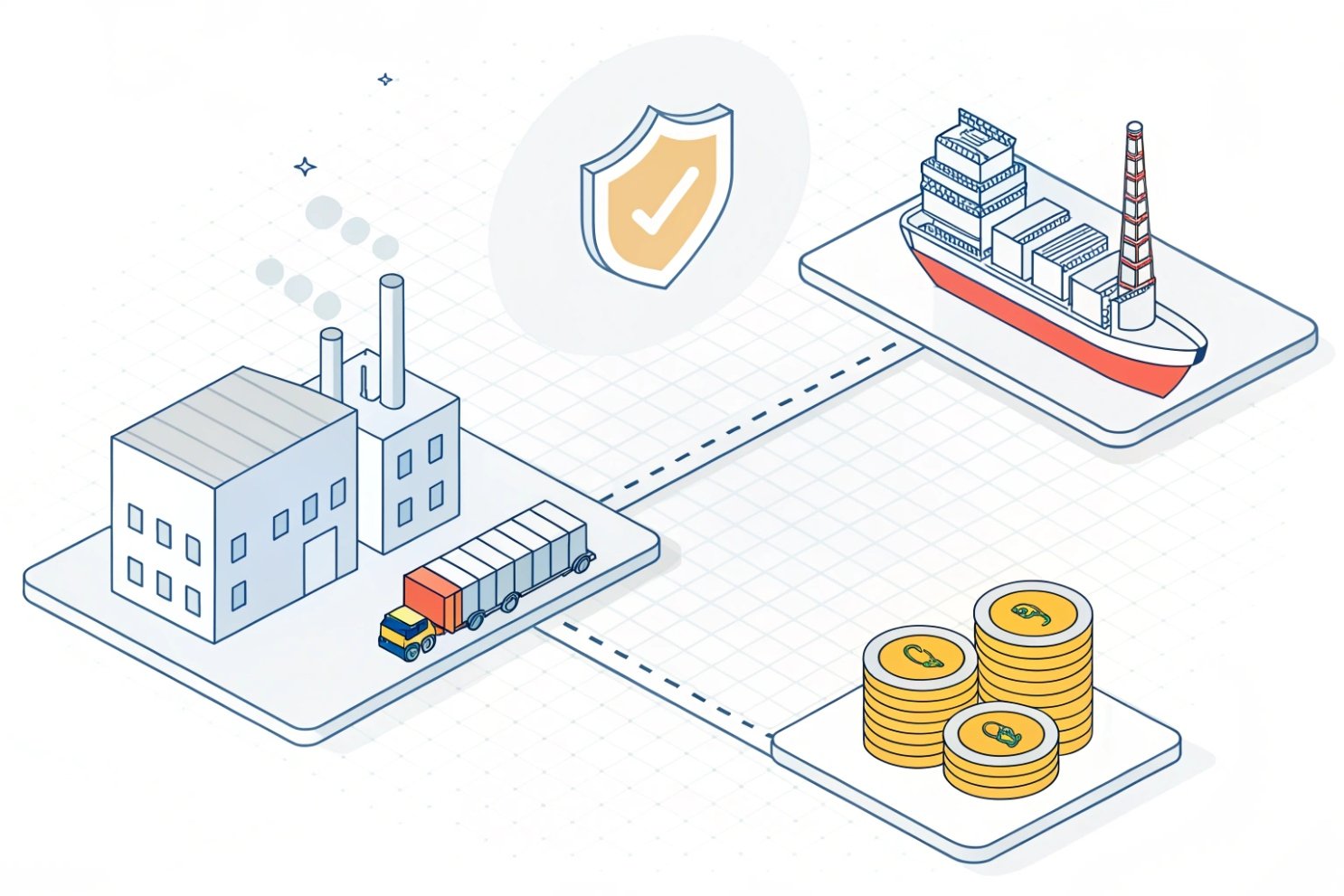
To grasp the cost implications, consider these factors affecting Easy Open Ends shipment insurance:
Cost Breakdown
| Factor | Impact on Cost |
|---|---|
| Cargo Value | Determines premium amount |
| ICC Clause Coverage | Coverage breadth influences cost |
| Profit & Overhead | Added margins to CIF pricing |
ICC(A) is often integrated into DDP pricing by adjusting margins. Buyers benefit from comprehensive coverage and inclusion into the total price structure. The insurer calculates payouts based on CIF values, aiming to cover expected buyer profit and associated costs.
In balancing cost and coverage, ICC(A) offers maximum protection albeit with higher premiums compared to ICC(B) 9 or ICC(C).
How do you proactively minimize risks of damage during international shipping for my Easy Open Ends to reduce the need for insurance claims?
Proactively minimizing risks entails ensuring precise packing 10, choosing reliable carriers, and opting for efficient shipping routes. These steps reduce potential damage during transit, safeguarding your shipments.

Risk Minimization Strategies
-
Packing: Proper packing protects against moisture and physical impact during transit. Use protective materials to cushion and secure goods.
-
Carrier Selection: Choose carriers with proven track records for safety and reliability, thus minimizing transit-related risks.
-
Route Efficiency: Selecting optimal routes reduces transit time and exposure to harmful conditions, decreasing damage potential.
Implementation Steps
-
Internal SOP Development: Establish clear procedures for documenting damaged containers upon arrival for quick claims processing.
-
Insurance Alignment: Adjust Incoterms to match who is better placed to manage insurance responsibilities for your shipments.
Implementing these strategies decreases the likelihood of claims, bolstering your shipping operations’ efficiency.
Conclusion
Understanding insurance responsibilities, opting for appropriate coverage like ICC(A), and preparing for the claims process can significantly reduce shipping risks and enhance operational precision.
Footnotes
1. Official ICC guide to global trade terms for defining buyer and seller responsibilities. ↩︎
2. Comprehensive guide to Institute Cargo Clauses (A) providing maximum risk protection for cargo. ↩︎
3. Technical specifications and variety of easy-open ends for metal packaging solutions. ↩︎
4. Explanation of how open cover insurance policies simplify frequent global shipping logistics. ↩︎
5. Deep dive into the functions and importance of the Bill of Lading in freight. ↩︎
6. Definition of a clean bill of lading and its impact on cargo claims. ↩︎
7. Resource for maritime insurance surveys and standards from the global insurance market. ↩︎
8. Detailed breakdown of Delivered Duty Paid (DDP) obligations and pricing structures. ↩︎
9. Overview of standard marine cargo insurance options including intermediate ICC(B) coverage. ↩︎
10. International standards for packaging to ensure goods survive the rigors of transit. ↩︎