
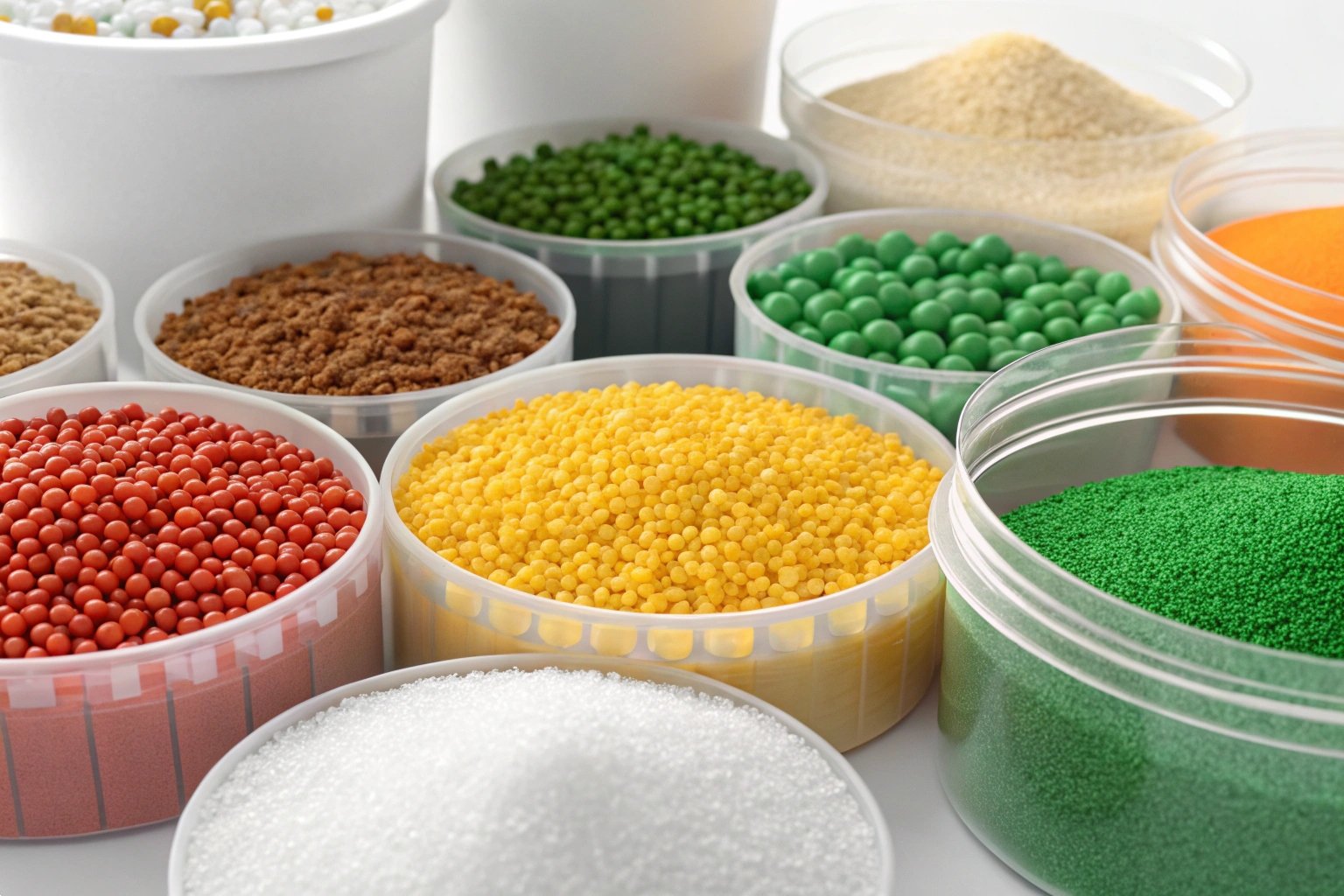
Sealing compounds might seem minor, but they are crucial for protecting your products. As a provider, I ensure you get exactly what you need. Whether you’re shipping hefty machinery parts or delicate items, knowing your options gives you an edge in supply chain success 1.
Choosing the right sealing compound for your Easy Open Ends requires an understanding of the available formulations, including PVC-free and low-migration options 2. These alternatives are vital as they minimize health risks and comply with environmental standards without sacrificing product integrity.
How do these choices fit into your business’s strategies and operations? Let’s explore further to see how they impact your processes and goals.
What are the technical specifications and performance characteristics of your PVC-free and low-migration sealing compounds for my specific food products?
PVC-free and low-migration sealing compounds are increasingly needed but can be perplexing. I’ve faced this complexity first-hand. These options help meet regulatory compliance 3 while offering great sealing performance.
PVC-free compounds are designed with meticulously engineered materials that deliver a balanced performance, such as thermal endurance and chemical stability 4. They ensure that the packaging process stays compliant with industry standards, maintaining product safety and quality across diverse environments.
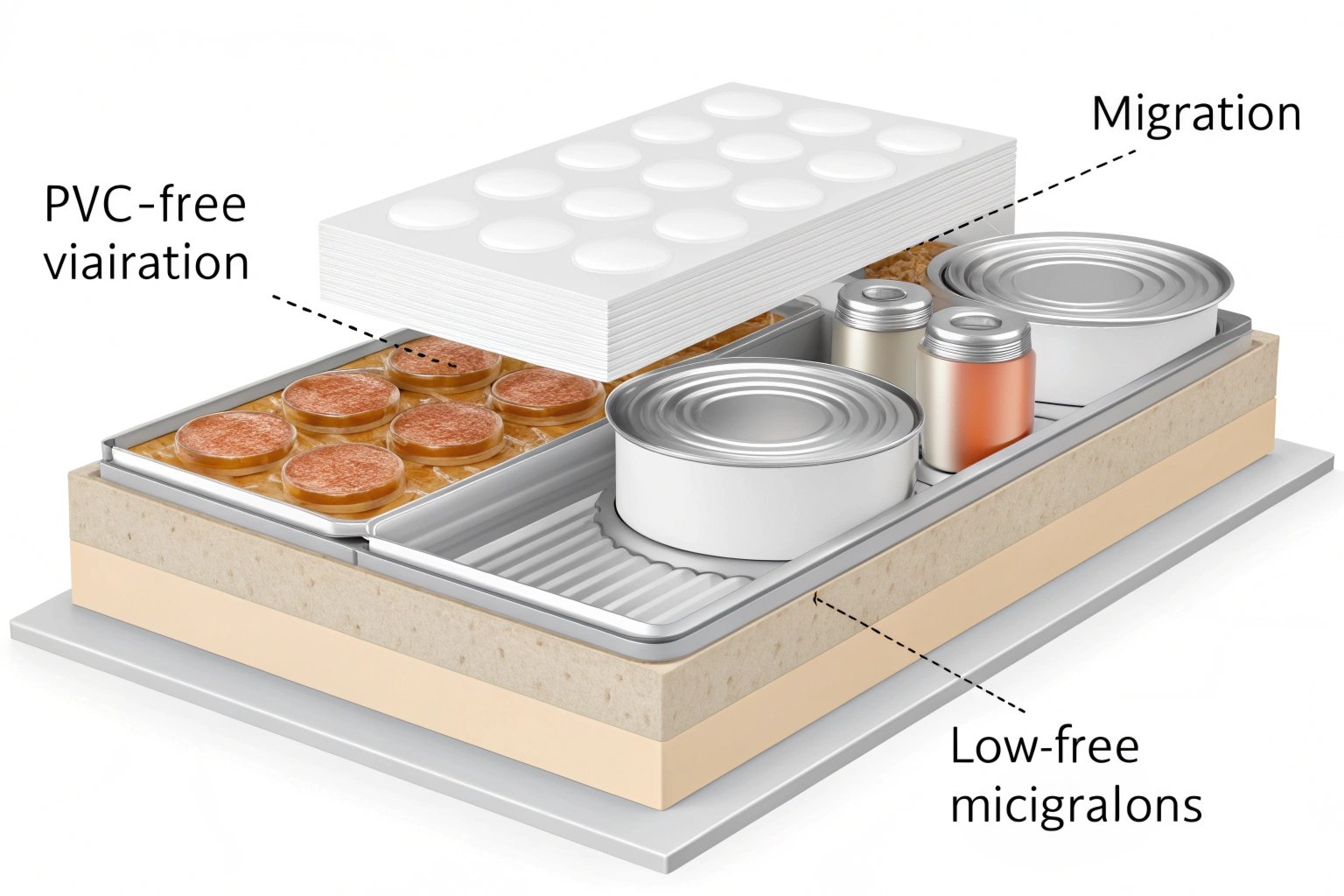
Understanding these technical specifications helps your business maintain high standards and meet customer expectations, promoting long-term reliability. It’s a strategic advantage you can’t afford to overlook.
Dive Deeper into Specifications
To better understand these compounds, consider the materials:
| Type | Advantages | Applications |
|---|---|---|
| TPE (Thermoplastic Elastomer) | Flexible, recyclable, low migration | Food and beverage packaging |
| Polyolefin-Based | Durable, PVC-free, low migration | Sensitive packaging applications |
| Acrylic | Cost-effective, good performance | General sealing, food contact lids |
Technical specifications must meet diverse regulatory standards, often requiring third-party testing 5 to confirm compliance. For example, TPE formulations may offer high thermal resistance crucial for products requiring sterilization. Polyolefin options, with their chemical stability, are ideal for safety-sensitive packaging. Effective use of these compounds enhances product shelf life 6 and lowers potential contamination risks.
Do these alternative sealing compounds for my Easy Open Ends comply with FDA/EU food contact regulations, and can I get SGS reports?
Questions about compliance can be overwhelming. They touch the core of operational success. From my journey, here’s what you need to know.
Yes, many alternative sealing compounds comply with FDA and EU regulations 7. They are specifically formulated to ensure safe interaction with food products, covering a range of restrictions and testing criteria. SGS certification is generally available upon request, providing an additional layer of compliance assurance.

These certifications not only satisfy regulatory requirements but also instill confidence in stakeholders and customers, marking a crucial step in successful product distribution.
Dive Deeper into Compliance
Understanding compliance involves navigating complexities:
| Regulation | Region | Requirements |
|---|---|---|
| FDA | United States | Full traceability, migration limits |
| EU Food Contact | European Union | Overall migration limits, restricted substances list |
| SGS Certified | Global | Independently verified safe for contact |
These regulations stipulate maximum permissible migration levels for food-contact materials. Compliance ensures that compounds won’t release harmful substances into products. Meeting these standards usually involves rigorous material testing protocols, documentation processes, and possibly third-party audits to validate conformity. This transparency is appealed for maintaining customer trust and promoting sustainable business relationships.
How does the choice of sealing compound, particularly PVC-free or low-migration options, affect the unit cost of my Easy Open Ends from China?
We all worry about cost. From my time optimizing production workflows, I’ve watched costs unfold unexpectedly, but strategic planning helps control it.
The choice of sealing compounds significantly impacts production costs. PVC-free or low-migration options typically incur higher initial costs. However, they can reduce long-term expenses by decreasing failures and ensuring compliance, which could prevent costly recalls and penalties.
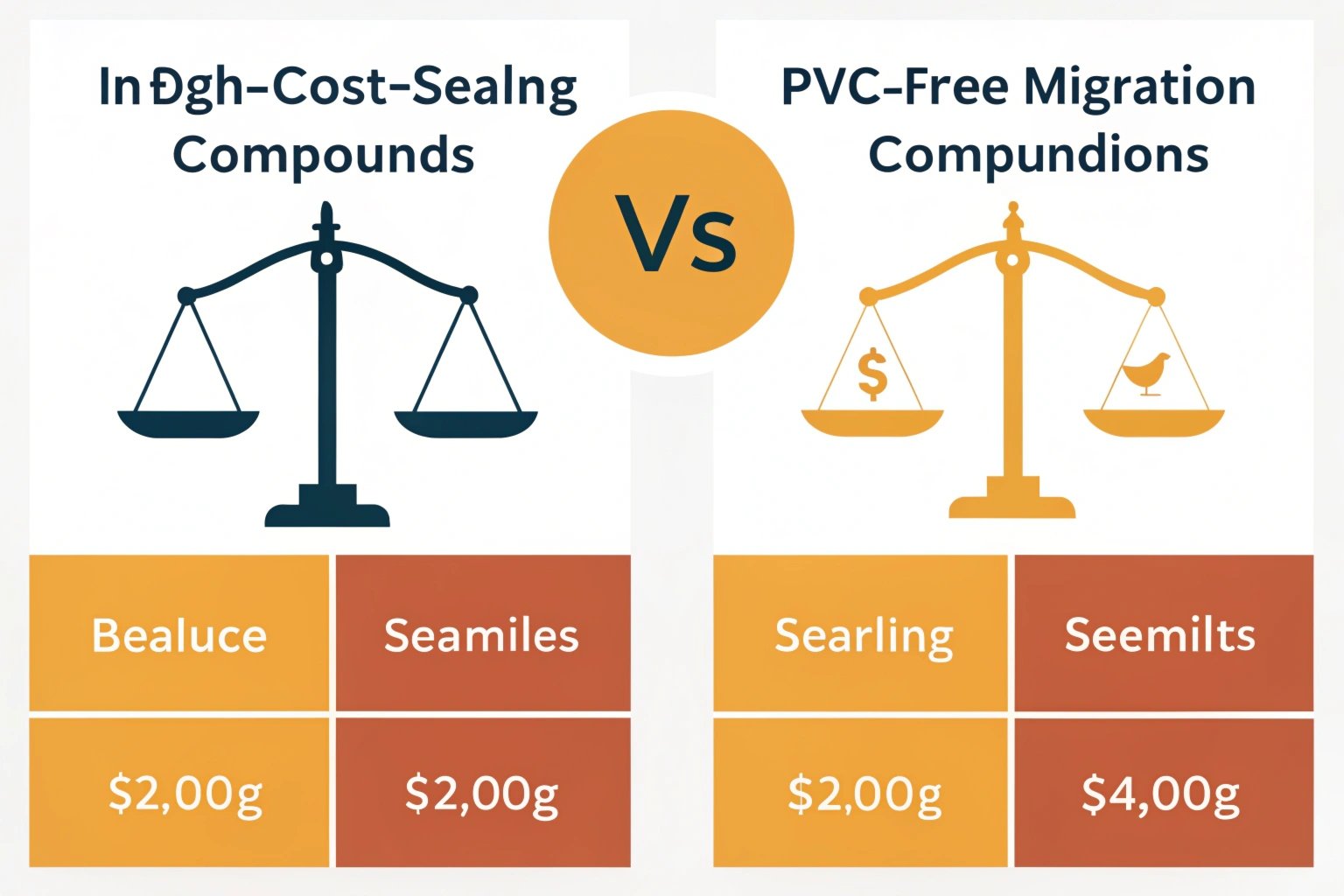
While the upfront investment may be higher, the payoff in reliability and safety 8 often justifies the expenditure, offering a viable option for those focused on quality and safety compliance.
Dive Deeper into Costs
Analyzing cost implications:
| Compound Type | Cost Impact | Long-term Benefits |
|---|---|---|
| PVC-Based | Lower initial cost | May incur compliance risks |
| PVC-Free | Higher upfront cost | Engenders trust and compliance |
| Low-Migration | Moderate initial cost | Mitigates contamination risks |
Considering costs isn’t only about comparing initial expenses. It’s about understanding the potential for market positioning 9 through emphasizing product safety and compliance. Investing in higher-quality sealing materials can increase market share and improve reputational capital. The real value lies in mitigating risks associated with non-compliance, costly recalls, or customer dissatisfaction, keeping the whole supply chain robust and predictable.
What is your process for compatibility assessment of these compounds with my can contents and retort conditions?
Compatibility assessment is key but often overlooked. From past challenges, I’ve seen it can save projects from failure.
The process for assessing compatibility involves comprehensive testing 10 under actual operating conditions. It includes evaluating how sealing compounds react with your specific can contents during retort processing, ensuring the integrity and performance of the seal.

These tests, coupled with validated trial runs, offer insights into sealing efficacy, longevity, and safety, providing a foundation for confident use of selected compounds in your products.
Dive Deeper into Compatibility Testing
Understanding compatibility:
| Assessment Step | Purpose | Outcome |
|---|---|---|
| Material Analysis | Chemical compatibility | Identifies potential interaction risks |
| Retort Simulation | Operational condition testing | Confirms physical and thermal stability |
| Performance Evaluation | Sealing strength checks under pressure and moisture | Verifies sealing integrity over shelf life |
Compatibility assessments are multifaceted, assessing not just the material interaction but also the mechanical performance under conditions like heat, pressure, and humidity during processing. This multi-angle evaluation ensures the right match between sealing compounds and your product, optimizing both safety and efficiency. Adequate testing minimizes disruptions in production, enhancing overall operational effectiveness and reliability.
Conclusion
Understanding and choosing the right sealing compounds can ensure compliance, quality, and cost-efficiency in your product packaging process.
Footnotes
1. Learn about key strategies for achieving success in global supply chain management. ↩︎
2. Overview of different sealing compound options, including PVC-free and low-migration types. ↩︎
3. Explanation of how SGS provides testing and certification for regulatory compliance. ↩︎
4. Insights on high-performance sealants and their characteristics like thermal and chemical stability. ↩︎
5. Intertek’s role in third-party testing for food contact materials to ensure safety and compliance. ↩︎
6. Research on various methods and factors that influence and enhance product shelf life. ↩︎
7. Official information on the European Union’s regulations for food contact materials. ↩︎
8. Principles of ISO 31000 for managing risk, which includes product safety and reliability. ↩︎
9. Harvard Business Review’s guidance on defining and executing an effective market positioning strategy. ↩︎
10. Guide to best practices in packaging testing to ensure food safety and integrity. ↩︎