
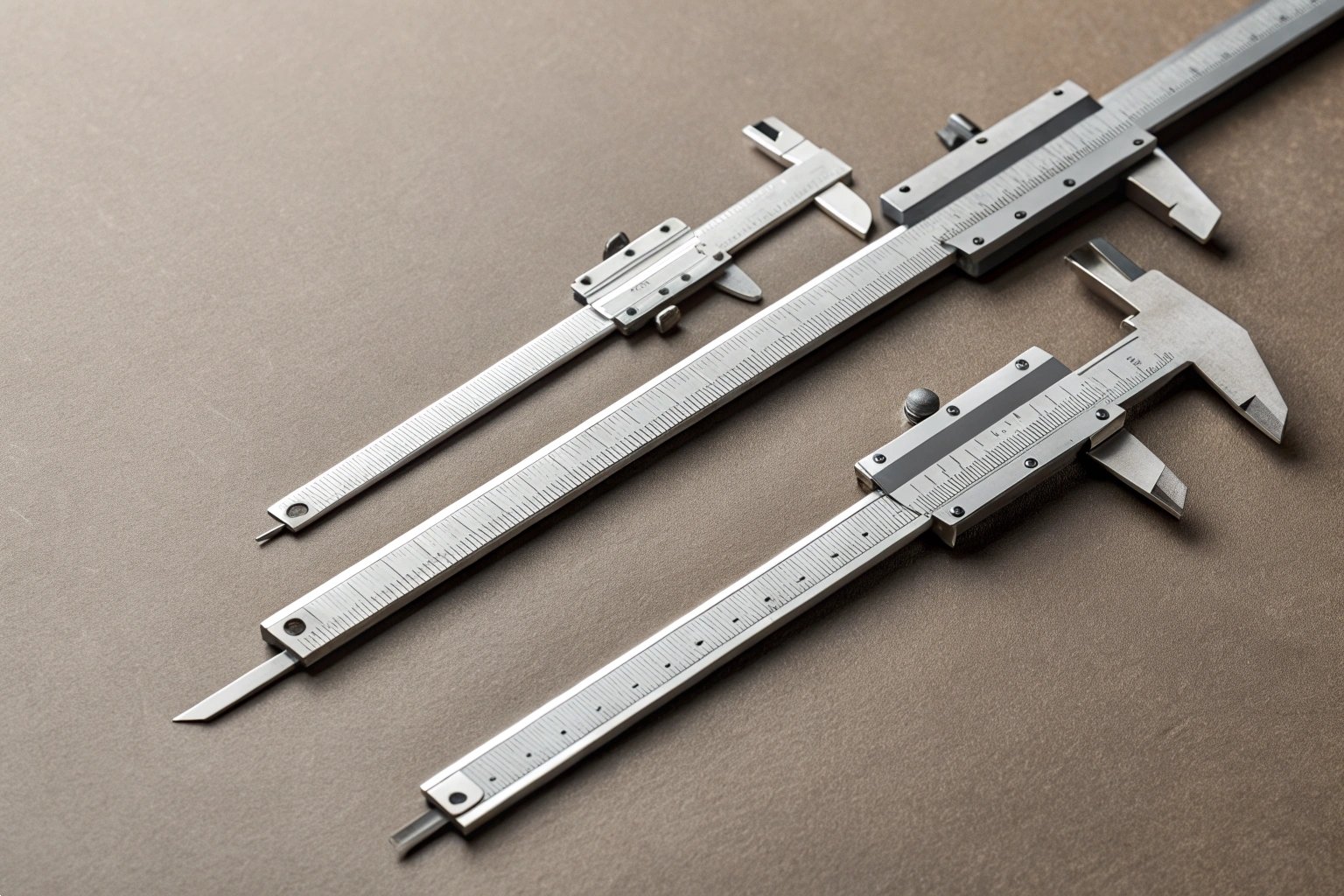
In my experience sourcing Easy Open Ends 1 from China, knowing the standard diameters is vital. When I’m looking to ensure compatibility with our packaging needs, the right size makes all the difference.
Standard diameter specifications for Easy Open Ends from Chinese factories typically cover sizes like 200, 202, 209, and 307. These are commonly available in both aluminum and tinplate materials, catering to diverse packaging needs across food and beverage sectors. The standard sizes 2 can match various packaging requirements, which ensures our product is always securely sealed and protected.
Can I get detailed technical drawings for my specific EOE diameter requirements, including curl and countersink dimensions?
Understanding the intricacies of each product component is crucial. To avoid potential compatibility issues, I often need detailed technical drawings 3. These help me verify that every aspect aligns perfectly with our specifications.
Yes, you can request detailed technical drawings for specific EOE diameter requirements. They can include information on curl and countersink dimensions, ensuring the ends fit well with your packaging units and comply with design standards.
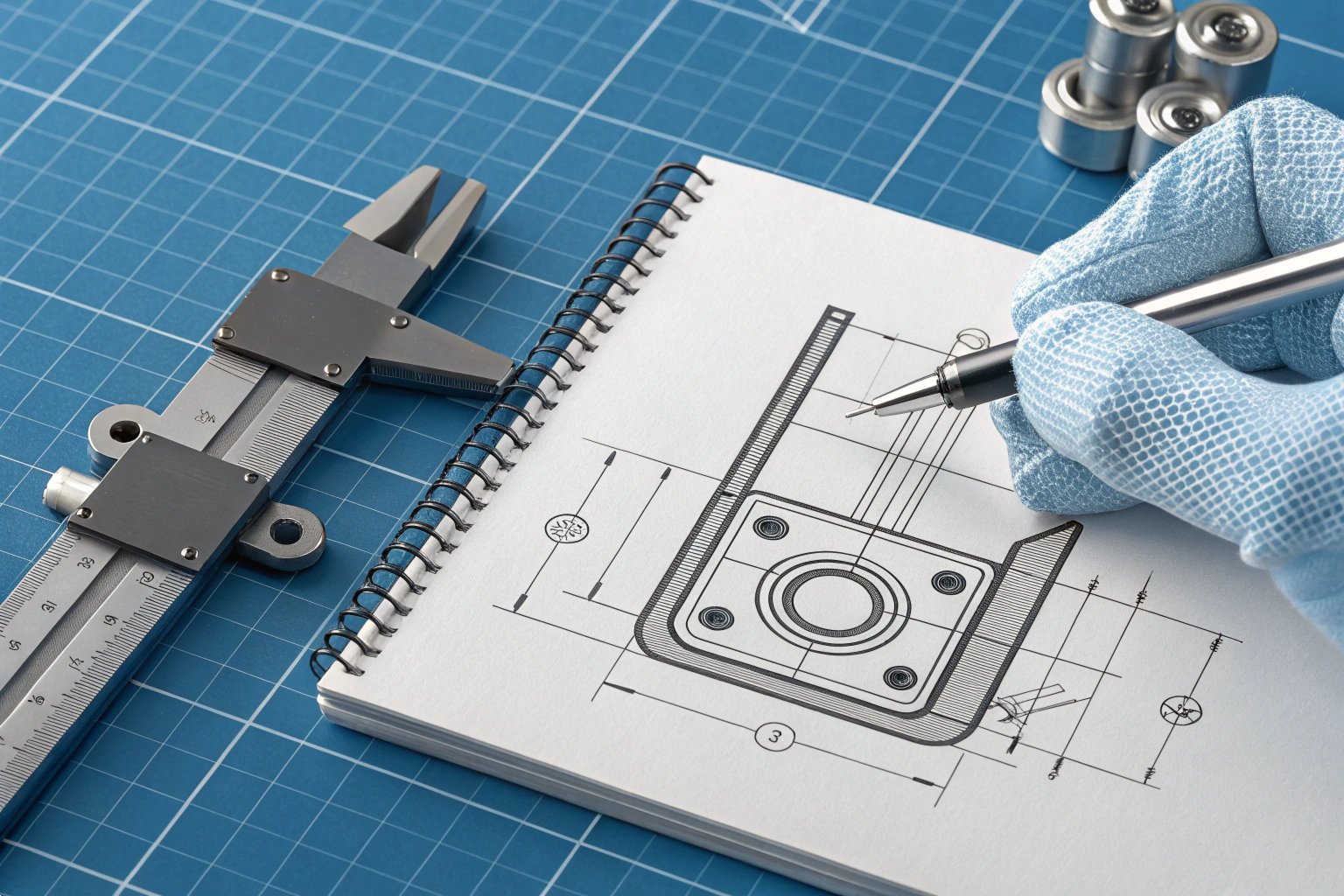
Here’s how to approach this process:
Requesting Technical Drawings
- Requirement Specification: Clearly define your specific needs regarding diameter, material, and application.
- Collaboration with Suppliers: Work closely with suppliers 4 to understand their offerings and customization capabilities.
- Verification Process: Ensure the provided drawings meet your technical and operational requirements by aligning them with your product specifications.
Having precise drawings helps us maintain production consistency and avoid delays or mismatches during manufacturing.
How can I verify the compatibility of my chosen EOE diameters with my existing seaming machines, like Angelus or Ferrum, before I import from China?
Making sure the EOE diameters work with existing machinery 5 is a critical step. I’ve learned that this verification is necessary to prevent disruptions during the seaming process.
To verify compatibility, you should first compare the technical specifications of the EOE diameters with your seaming machines’ capabilities. Manufacturers may provide machine-specific guidelines or testing services to ensure seamless integration.
Follow these steps for seamless compatibility:
Compatibility Verification
- Documentation Review: Cross-reference machine documentation with the EOE specifications.
- Testing Samples: Order samples for a trial run 6 to see how they perform with your equipment.
- Supplier Consultations: Engage with suppliers to discuss equipment compatibility, asking for adjustments if needed.
Thorough preparation saves time and ensures that production lines remain efficient without unexpected hitches.
What is the minimum order quantity (MOQ) for specific EOE diameters, and do my costs vary by size?
When budgeting for supplies, understanding the cost implications of MOQ 7 and size specifications is essential. A miscalculation can impact my bottom line significantly.
The minimum order quantity (MOQ) for specific EOE diameters can vary significantly depending on the factory and the size of the ends. Generally, costs may fluctuate with size due to material and manufacturing differences.
Here’s what you can expect:
| Size Code | MOQ (Units) | Cost Implication |
|---|---|---|
| 200# | 10,000 | Lower due to material efficiency |
| 202# | 10,000 | Slightly higher, popular size |
| 307# | 5,000 | Higher due to larger material needs |
Factors Influencing MOQ and Costs
- Bulk Discounts: Larger orders typically enjoy lower per-unit costs.
- Material Choice: Aluminum and tinplate 8 may incur different costs.
- Supplier Negotiations: Engage in discussions for potentially favorable terms based on order size.
Strategic decisions on MOQ can optimize supply chain efficiency, ensuring higher profitability and steady supply.
How do you ensure consistent quality and dimensions across large batches of various EOE sizes for my global operations?
Maintaining quality across large orders is non-negotiable. Consistency is what our clients expect, and failure to deliver can lead to significant repercussions.
Quality consistency is achieved through rigorous manufacturing standards, including regular inspections, batch testing, and adherence to international quality certifications (e.g., ISO, SGS). 9 These practices help uphold precision across large production runs.
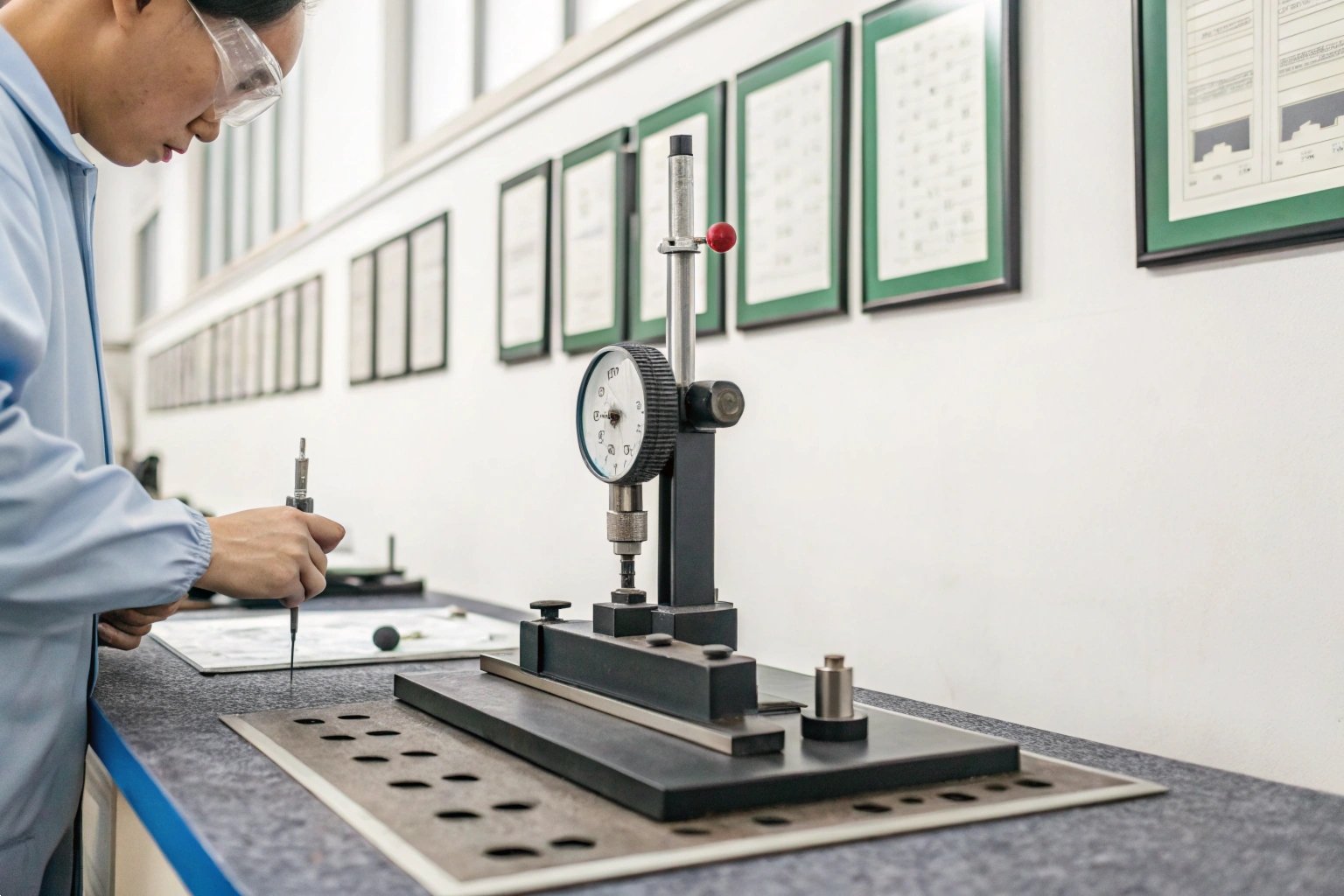
Quality Assurance Practices
| Quality Measure | Description |
|---|---|
| In-Process Inspections | Regular checks during production stages |
| Final Batch Testing | Sampling final products for conformance verification |
| Certification Adherence | Following ISO and SGS standards for global consistency 10 |
Ensuring quality consistency across every batch not only satisfies product requirements but also solidifies our reputation as a reliable supplier.
Conclusion
Understanding EOE diameter specifications and ensuring compatibility with machinery is fundamental for seamless operations and cost efficiency. Establishing quality assurance practices guarantees product excellence.
Footnotes
1. Wikipedia entry detailing the history and structure of Easy Open Ends in packaging. ↩︎
2. A guide on standard can ends and closures, including common sizes in the industry. ↩︎
3. ASME standards overview for creating precise and uniform technical drawings in manufacturing. ↩︎
4. Best practices for supplier relationship management to ensure better collaboration and quality. ↩︎
5. Information on seamer machine best practices, crucial for proper sealing in packaging. ↩︎
6. FDA principles on process validation, including the importance of a well-designed trial run. ↩︎
7. Investopedia’s explanation of Minimum Order Quantity (MOQ) and its financial implications. ↩︎
8. Analysis of tinplate packaging demand and current market trends affecting material costs. ↩︎
9. Official ISO website detailing the standards available, including quality management systems. ↩︎
10. Intertek’s insights on achieving quality and consistency in global sourcing and supply chains. ↩︎