
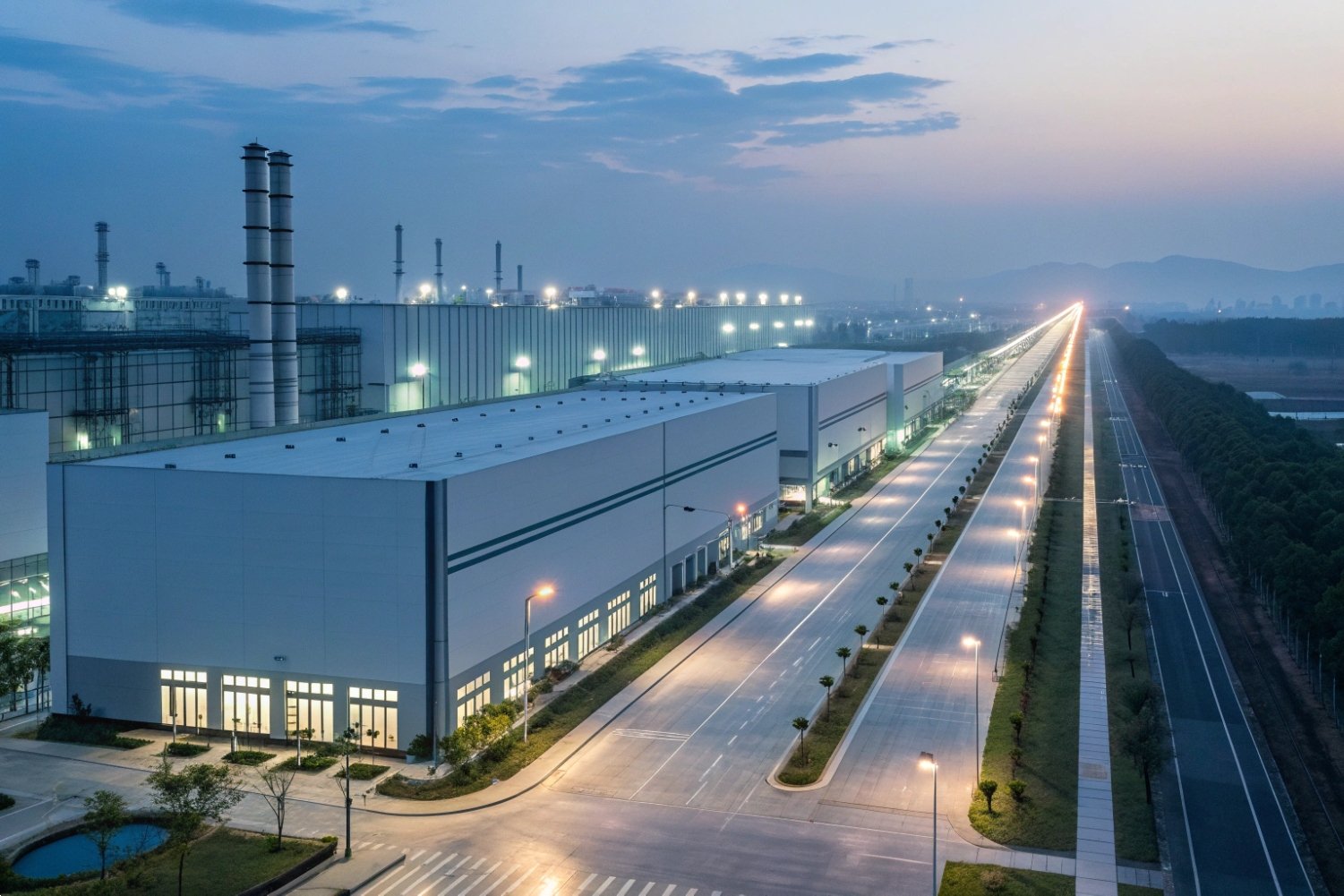
Navigating the challenges of raw material fluctuations, production consistency, and energy constraints can be overwhelming. My objective is to implement strategic controls that address these risks effectively.
To manage these complexities, we leverage a multi-faceted approach encompassing diversified sourcing, extensive preventive maintenance, and robust energy management. These strategies are designed to ensure the continuous availability and competitive pricing of our Easy Open Ends.
By sharing these measures, we can all gain a deeper understanding of how they maintain the reliability and quality that you expect.
How Do You Mitigate the Impact of Raw Material Price Increases on My Easy Open Ends, and What Strategies Do You Employ for Price Stability?
Fluctuating raw material costs are an inevitable but daunting aspect of production. It’s crucial for us to navigate these fluctuations efficiently to maintain price stability.
We use multi-regional sourcing, strategic long-term contracts with suppliers, and maintain a substantial safety stock to cushion against raw material cost increases. This multi-tiered approach is essential for maintaining both supply continuity and pricing stability.

Sourcing and Contract Strategy
The foundation of our raw material strategy is to source from multiple regions, minimizing the risk of supplier dependency. By doing so, we are not only able to ensure redundancy but also mitigate the impact of regional disruptions 1.
Price Indexing and Safety Stocks
Long-term supplier contracts with price indexing 2 provide a transparent mechanism for adjusting costs based on recognized indices, ensuring predictable pricing. Additionally, maintaining a robust safety stock 3 helps us buffer against unexpected supply constraints and pricing spikes.
| Strategy | Description |
|---|---|
| Multi-regional Sourcing | Avoids dependency on single suppliers |
| Price Indexing | Ties cost to objective indices |
| Safety Stock | Provides a buffer against supply and price volatility |
These strategies not only help maintain stability but also protect your supply chain from unpredictable market changes.
What Contingency Plans Do You Have for Production Line Maintenance or Unexpected Energy Restrictions in China to Ensure Continuous Supply of My Easy Open Ends?
Continuous and reliable production is essential, especially when faced with unexpected maintenance needs or energy supply issues. Our goal is to minimize disruptions and maintain product flow.
We have rigorous preventive maintenance schedules, backup systems for key production lines, and contingency plans for emergency power situations. These measures help protect our production capabilities and ensure an uninterrupted supply of your Easy Open Ends.

Preventive Maintenance Programs
Our preventive maintenance 4 programs are meticulously designed to reduce unplanned downtimes. By routinely servicing and checking equipment, we can foresee potential issues before they become major problems.
Backup Systems and Emergency Energy Solutions
Backup systems are in place to ensure that if one production line experiences difficulties, others can continue to operate without interruption. Moreover, emergency energy solutions 5 are established to navigate potential energy shortages 6 efficiently.
| Measure | Description |
|---|---|
| Preventive Maintenance | Regular servicing to minimize downtimes |
| Backup Systems | Redundant lines for uninterrupted production |
| Emergency Energy Plans | Ensures operations continue despite energy restrictions |
Through these strategies, we can confidently maintain quality and service standards for your Easy Open Ends.
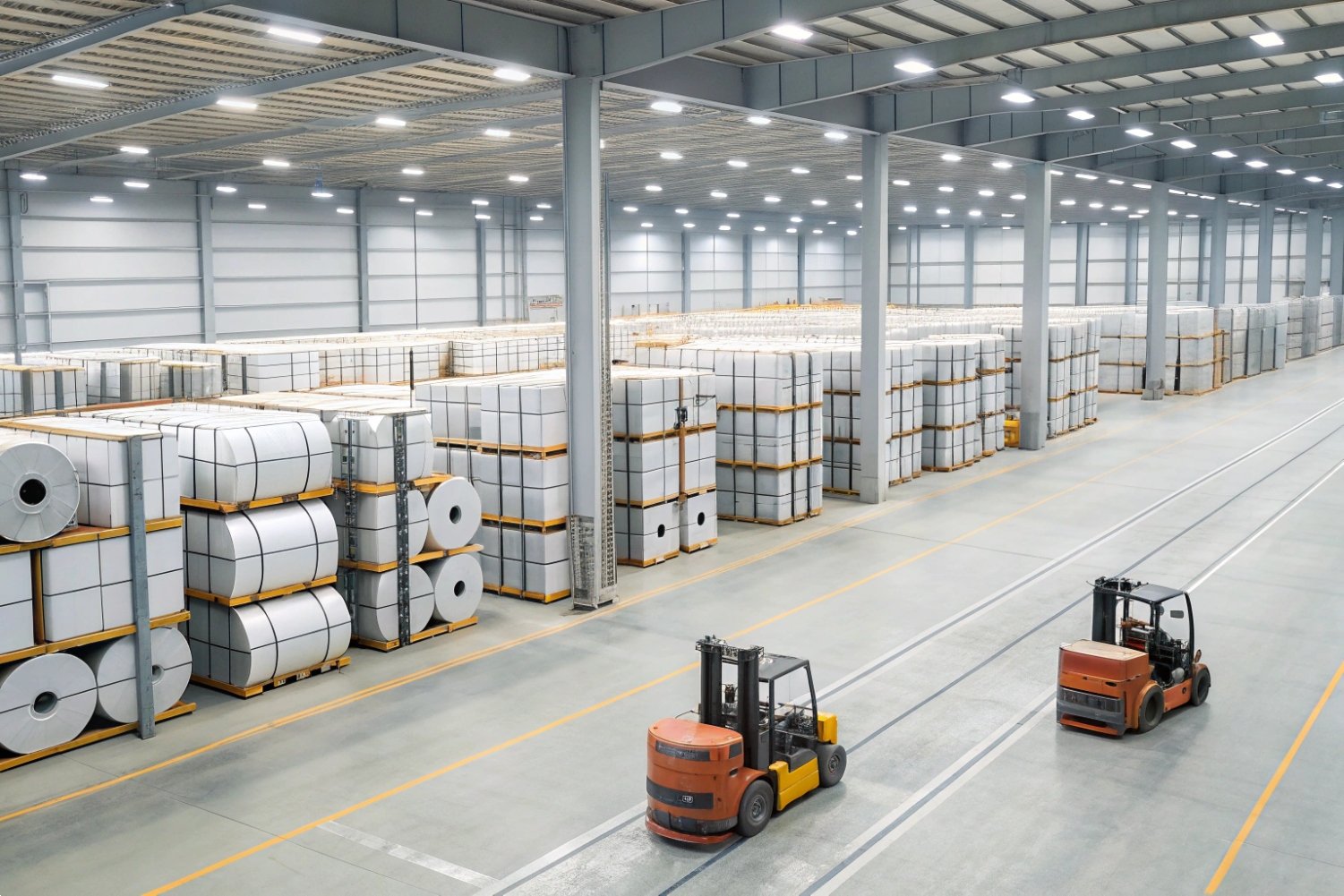
How Do You Leverage Your 100k Tons Stock of Baosteel/Shougang Tinplate to Ensure Supply Chain Resilience for My Easy Open Ends Against Market Volatility?
Maintaining a large inventory is crucial for overcoming supply chain volatility. It’s vital for ensuring continuity and reliability in your supply chain.
Our extensive inventory levels of Baosteel/Shougang tinplate provide a strategic buffer that ensures we can meet demand fluctuations without compromising on quality or delivery timelines. This approach is fundamental to maintaining supply chain resilience.
Inventory Management for Stability
Stocking a significant amount of tinplate 7 means we can quickly respond to changes in demand or supply chain disruptions 8. This inventory acts as a pivot, allowing us to switch seamlessly between market conditions without affecting your product supply.
Rapid Response to Market Changes
Having large inventory levels allows us to be agile and adapt to market ebbs and flows. We can manage spikes in demand efficiently, ensuring you receive what you need, when you need it.
| Inventory Benefit | Description |
|---|---|
| Significant Stock Levels | Provides a buffer during supply chain disruptions |
| Consistent Output | Ensures steady supply and quality during demand spikes |
| Agility and Responsiveness | Capacity to adapt quickly to market changes |
This strategic approach reinforces our commitment to reliable delivery and quality excellence.
What Communication Protocols Are in Place to Inform Me of Any Potential Supply Chain Risks That Could Impact My Easy Open Ends Orders?
Effective communication is vital in managing expectations and ensuring transparency about your supply chain.
We have developed clear communication protocols to ensure you are informed of any potential supply chain risks. This includes regular updates and detailed risk assessment reports, which help keep you aware and prepared for any issues that may arise concerning your Easy Open Ends orders.

Transparent communication is at the heart of our promise to you. By maintaining regular dialogue and providing clear, timely updates through a risk assessment 9 framework, we aim to ensure you are always informed and can adjust plans as needed. This proactive approach strengthens supply chain resilience 10.
Conclusion
By employing strategic risk management measures, we ensure the stability and reliability of Easy Open Ends, safeguarding against material cost volatility, operational disruptions, and energy constraints.
Footnotes
1. Analysis of how regional events impact global trade and logistics. ↩︎
2. Understanding the mechanism of tying costs to market indices for stability. ↩︎
3. Guide to calculating safety stock to prevent supply shortages. ↩︎
4. Best practices for preventive maintenance to ensure equipment reliability. ↩︎
5. International standards and frameworks for maintaining energy security. ↩︎
6. Reports on energy supply challenges and their impact on manufacturing. ↩︎
7. Technical specifications and sourcing details for high-quality tinplate materials. ↩︎
8. Strategies for managing and mitigating global supply chain disruptions. ↩︎
9. ISO standards for identifying and evaluating organizational risks. ↩︎
10. Principles for building a flexible and resilient supply chain network. ↩︎