

Understanding the return and exchange policy for Easy Open Ends 1 is vital in international trade. As I partner with global suppliers, it’s crucial to have clear guidelines to avoid misunderstandings and losses.
The return policy usually allows exchanges for defective Easy Open Ends within 30 days of receipt, if goods are unused and in original packaging. This timeframe provides a window for inspecting the product’s integrity against purchase terms 2.
It’s essential to review all conditions of the policy, as understanding them helps in protecting interests when any issues arise. Also, knowing timelines strengthens negotiations 3 and clarifies expectations for all parties.
Can you outline your clear return and exchange policy for my Easy Open Ends, including conditions for acceptance and timelines?
Inspecting received goods promptly is crucial; defects must be reported within a specified period. I’ve learned the importance of a streamlined verification process 4 to ensure minimal disruption and clear communication channels.
The return policy usually encompasses exchanges for functional defects like broken rivets or compromised score lines. Cosmetic damage 5 is typically considered acceptable if it doesn’t affect the mechanical performance, packaging integrity, or food safety standards.

Functional defects must be clearly and promptly reported, allowing for exchanges within the policy framework. This requires attentively examining the product upon receipt to differentiate between minor cosmetic issues and serious functional concerns.
Understanding Conditions and Timelines
| Policy Aspect | Description |
|---|---|
| Acceptance Conditions | Goods must be unused and in original packaging. |
| Functional Defects | Covers issues affecting safety or seal integrity. |
| Cosmetic Damages | Defined as superficial imperfections. |
| Timeline | Usually within 30 days of receipt. |
Negotiating these terms requires attention to detail and proactive communication. Establishing clear guidelines reduces disputes and strengthens business relationships.
How do you differentiate between manufacturing defects and cosmetic damage caused by international shipping for my Easy Open Ends?
Navigating international supply chains 6 involves differentiating between manufacturing defects and shipping-induced cosmetic damages. Understanding their nuances is crucial to avoid potential disagreements and uphold quality standards.
Shipping damage, unlike manufacturing defects, often involves superficial issues like dents, scratches, or discoloration. Manufacturing defects 7, however, involve problems like broken rivets or compromised score lines that affect safety or seal integrity.
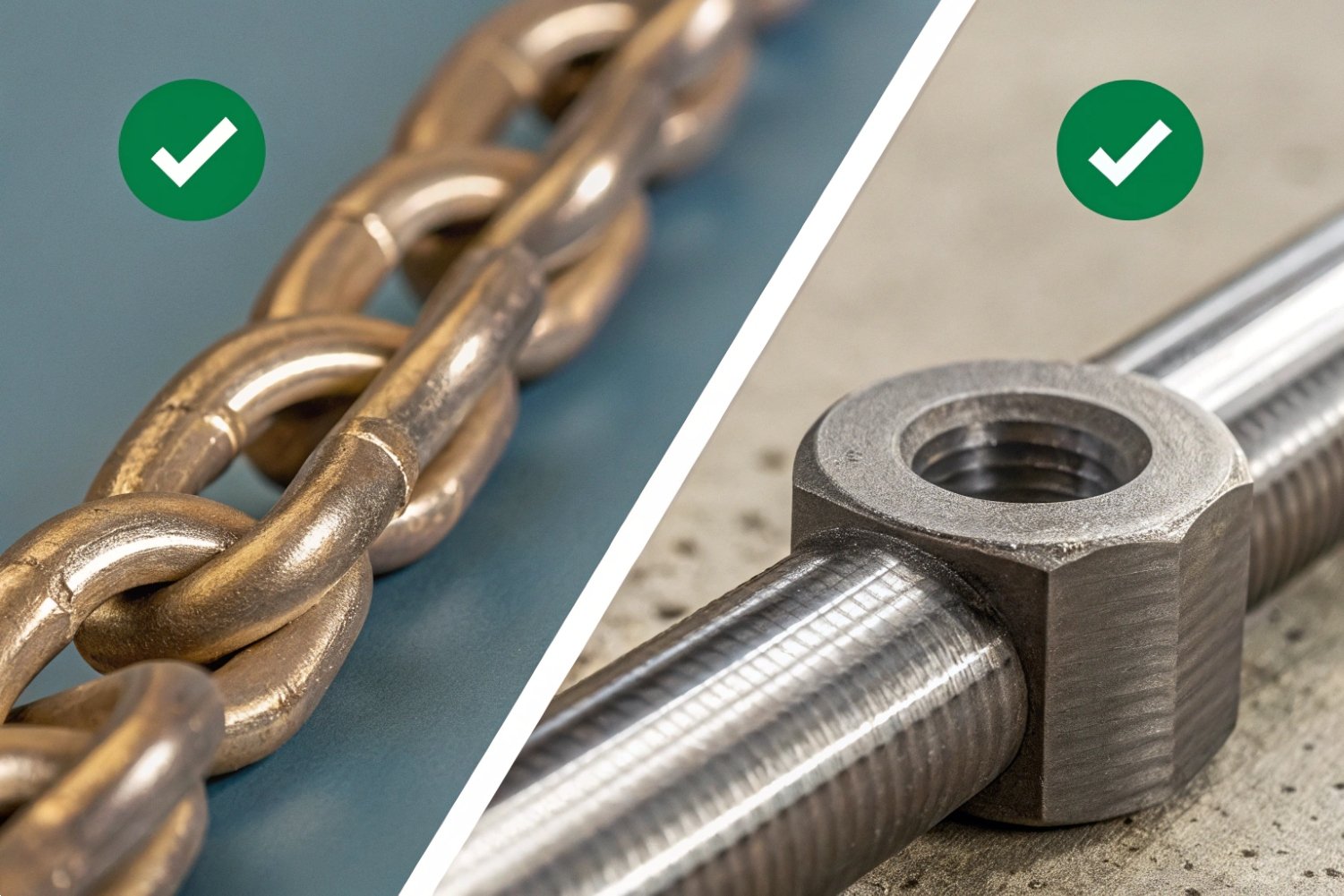
Differentiating these requires meticulous inspection and documentation upon delivery. Recognizing these distinctions ensures valid claims are made, preventing disputes over responsibility between manufacturers and shippers.
Differentiating between Defect Types
To comprehend and effectively manage these issues, it’s essential to separate cosmetic imperfections, which can be seen upon delivery, from manufacturing defects, typically noticed during use.
| Damage Type | Characteristics | Resolution Approach |
|---|---|---|
| Manufacturing Defects | Functional impairment | Request replacement |
| Cosmetic Damage | Superficial issues | Document and claim |
The key to success lies in swift communication and maintaining robust documentation to support claims and resolutions.
What is the precise process and required documentation for submitting a claim for Easy Open Ends damaged during transit from China?
Navigating claims for transit-damaged goods requires adherence to a precise process. It’s vital to ensure speed and accuracy in filing claims to minimize business disruption.
Timely notification of damage is paramount; within 48 hours of delivery, claims need timestamped photos, packing lists, and commercial invoices 8. Obtaining Return Merchandise Authorization 9 (RMA) numbers for repackaging is crucial for verified claims under warranty.

Following the claims process rigorously prevents delays and maximizes the likelihood of successful resolution. Ensuring return freight coverage by suppliers for verified claims under warranty safeguards against additional expenses.
Documenting Damages for Claims
Maintaining accurate documentation is the backbone of successful claims processing. Photos, invoices, and other records serve as essential proof in managing and resolving issues efficiently.
| Documentation Required | Importance |
|---|---|
| Timestamped Photos | Proof of condition upon receipt |
| Packing List | Verification of shipped goods |
| Commercial Invoice | Official transaction record |
| RMA Number | Authorization for return |
Sticking to this process is essential to uphold business integrity and maintain supplier relationships, ensuring smooth future transactions.
Guarantees and insurance mitigate risks associated with international shipping damages. Understanding the associated costs and benefits enhances decision-making in global trade.
Offering insurance against shipping-related damage provides peace of mind. Consider implementing a warranty 10 to cover up to a 3% defect rate, ensuring quality and reducing unforeseen costs.

Ensuring suppliers cover rework or shipping costs prevents unexpected expenses. This strategy fortifies business operations against potential disruptions, aligning seamlessly with international trade standards.
Evaluating Insurance Options
Exploring comprehensive insurance solutions and guarantees involves weighing potential risks and costs, supporting informed decision-making to protect business interests.
| Guarantee/Insurance | Coverage Provided |
|---|---|
| Supplier Warranty | Cosmetic defects coverage up to 3% rate |
| Insurance Type | All-risk policy for shipping damages |
| Cost Considerations | Supplier covering rework/shipping costs |
Choosing wisely ensures smooth trade flows while protecting investments in global market ventures.
Conclusion
Navigating return policies and shipping damages with clarity ensures seamless transactions, maintaining product quality and strengthening global business connections.
Footnotes
1. Learn about the technical specifications and uses of Easy Open Ends in food packaging. ↩︎
2. Comprehensive guide to understanding purchase orders and legal trade terms. ↩︎
3. Expert strategies for successful business negotiations and relationship management. ↩︎
4. Overview of international standards for product quality verification and inspection. ↩︎
5. Legal and commercial definitions of cosmetic vs. functional damage in goods. ↩︎
6. Deep dive into managing complex international supply chains and logistics. ↩︎
7. Legal definition and liability implications of manufacturing defects in commercial law. ↩︎
8. Essential guide to completing commercial invoices for international shipping compliance. ↩︎
9. Explanation of how RMA systems streamline the return and replacement process. ↩︎
10. Federal guidelines and business best practices for implementing product warranties. ↩︎