

Opening the pages of international trade can be daunting. As a business owner aiming to import Easy Open Ends into the US, I often grapple with the complexities of HTS classification to ensure compliance and avoid unnecessary duties.
For Easy Open Ends imported into the US, a common HTS classification is under heading 7310, often categorized at the 7310.21.00 or 7310.29.00 levels. These codes apply when these ends are components of iron or steel cans 1 designated to be closed by crimping. This is a technical recommendation, and to avoid errors or penalties, I must confirm this classification with my licensed US customs broker 2.
Transitioning into customs procedures requires clarity and meticulousness. Ensuring accuracy in HTS coding isn’t just about compliance; it’s about securing my business interests, minimizing costs, and maintaining international trade integrity 3.
What specific HS/HTS codes do you recommend for Easy Open Ends when importing into the US, and can you provide supporting documentation?
In navigating import regulations, I face a myriad of questions about HTS classification accuracy. It’s critical for my Easy Open Ends to be classified correctly to prevent unnecessary duties and delays.
For Easy Open Ends, the HTS code 8309.90.00 4, which includes base metal lids and packing accessories, is commonly recommended. If made of aluminum for beverage cans, subheading 8309.90.00.25 applies, while steel or tinplate ends typically utilize 8309.90.00.85. Supporting documentation includes your product specifics, prior classifications, and CBP rulings 5 for verification.
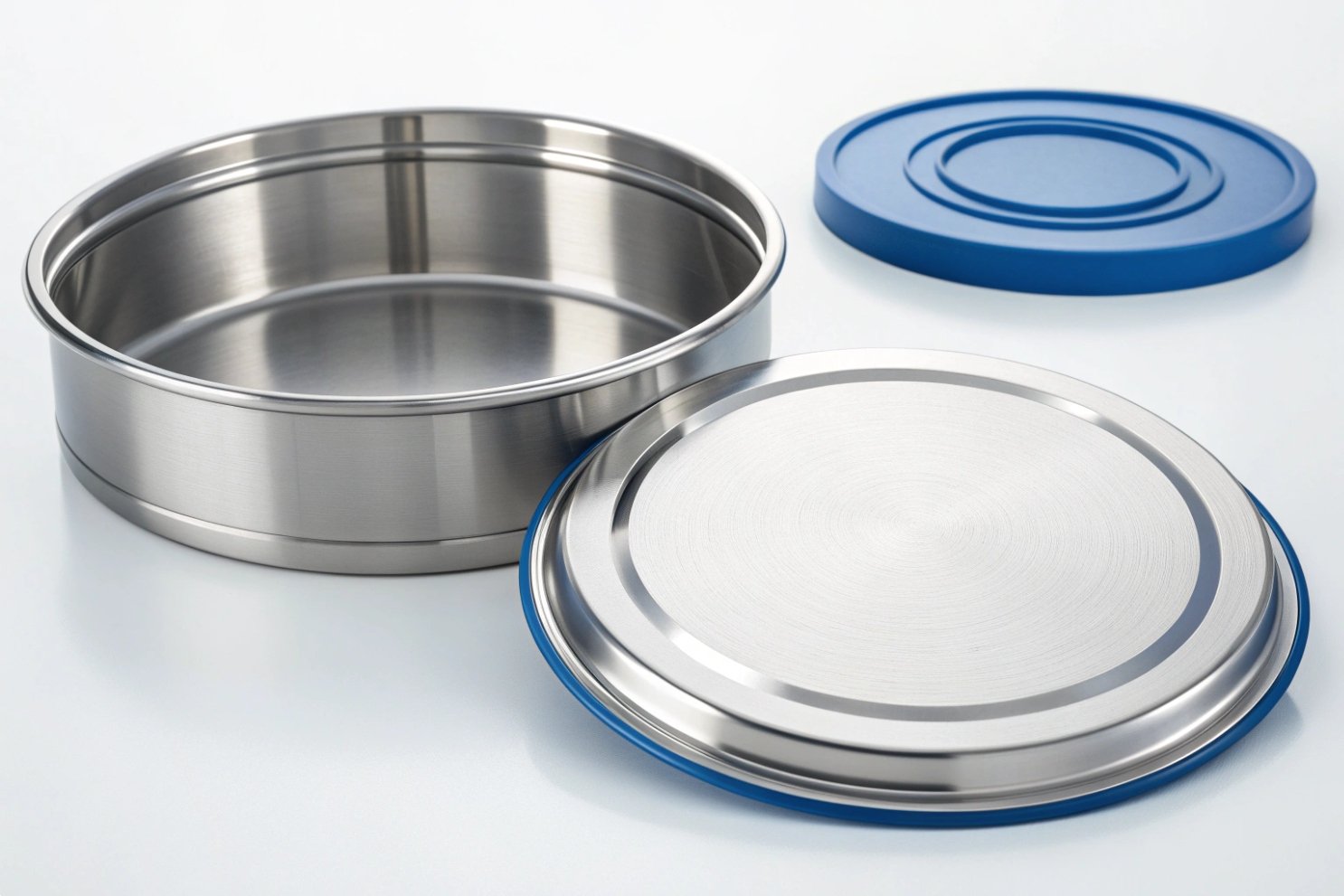
Clearly identifying and aligning product characteristics with HTS codes requires a structured approach. Below, a comprehensive guide helps cross-verify with brokers:
Document Requirements for HTS Verification
| Document | Purpose |
|---|---|
| Product Descriptions | Material, dimensions, and intended use specifications |
| Drawings/Photos | Visual representation for accurate classification |
| Previous HS Codes | Provides historical classification context |
Bringing this information to my broker will facilitate accurate HTS determination and ensure consistent entry documentation 6, aligning my commercial invoice content with broker submissions.
Can you facilitate communication with my US customs broker to confirm the correct HS/HTS classification for Easy Open Ends to avoid delays and duties?
Treading through the complexities of customs law and trade regulations often leads to a pressing need for direct broker communication. Missteps in HTS classification could result in costly delays.
Facilitating communication between me and my customs broker is vital, ensuring that all HTS recommendations are vetted thoroughly. It enables precise duty assessments and circumvents Section 232 concerns 7 related to tariffs on steel or aluminum components.

Engaging in detailed discussions with my broker provides the groundwork necessary for seamless importation. Here is how effective communication can be orchestrated:
Steps for Effective Broker Collaboration
| Step | Action Description |
|---|---|
| Initial Briefing | Clearly outline product details and importing objectives |
| Documentation Review | Share comprehensive data for broker analysis |
| HTS Confirmation | Seek documented confirmation or binding rulings |
Through these steps, establishing a clear conduit for dialogue with customs experts ensures smooth transit and compliance.
How do you stay updated on changes to US import regulations and tariff codes for Easy Open Ends, ensuring accurate classification?
Navigating through ever-evolving regulatory landscapes can be demanding. Maintaining up-to-date knowledge on import regulations requires systematic updates and industry insights.
To remain informed about changes in US import laws for Easy Open Ends, I leverage industry networks and regulatory publications. Engaging continuously with CBP releases 8 and industry forums aids in precise HTS classification.

Adapting through regular updates helps align business strategies with current laws. Here are methods to sustain current awareness:
Sources for Regulatory Updates
| Source | Content Type |
|---|---|
| CBP Bulletins | Regulatory changes and updates |
| Industry Forums | Peer insights and experience-sharing |
| Trade Publications | In-depth regulatory analysis and trends |
These resources form a foundation of knowledge, allowing my business to respond promptly to regulatory shifts 9 and maintain import compliance effectively.
What are the potential duty rates and taxes associated with your recommended HS/HTS classification for Easy Open Ends from China?
Understanding duty implications is key to cost management in international trade. Incorrect classification might lead to unexpected tariffs, diminishing profits.
For Easy Open Ends, the typical duty under HTS 8309.90.00 is around 2.6% MFN rate. However, Section 301 duties 10 could apply due to steel or aluminum content, warranting an additional oversight layer during classification.

Accurate duty assessment ensures your business remains competitive. Consideration should be given to:
Potential Duty Impact Factors
| Impact Factor | Description |
|---|---|
| Material Composition | Affects additional tariffs (e.g., Section 232) |
| Current Trade Policies | Changes in the US-China trade relationship |
| Section 301 List | Determines applicability of further taxes |
By accurately estimating duties and remaining informed, managing fiscal strategies aligns with maximizing supply chain efficiency.
Conclusion
Ensuring accurate HTS classification for Easy Open Ends requires systematic research and coordination. Reliable broker engagement and up-to-date knowledge safeguard against import challenges, securing my business operations in the international arena.
Footnotes
1. Scholarly insights into the technical classification of metal packaging and containers. ↩︎
2. Official CBP guide on the role and licensing requirements of customs brokers. ↩︎
3. Understanding the principles of the global trading system and fair trade practices. ↩︎
4. Official USITC database entry for HTS code 8309, covering lids and closures. ↩︎
5. Database of binding rulings issued by CBP for specific product classifications. ↩︎
6. Comprehensive overview of necessary paperwork for importing goods into the United States. ↩︎
7. Department of Commerce resources regarding national security tariffs on metal imports. ↩︎
8. Official CBP statistics and news updates regarding trade enforcement and regulations. ↩︎
9. The daily journal of the United States Government for tracking regulatory changes. ↩︎
10. Information on additional tariffs specifically targeting goods imported from China. ↩︎