

Dealing with corrosion is not just a matter of appearance; it could compromise product integrity. I’ve often wondered how effective my Easy Open Ends’ coatings are in hostile environments.
The lacquer and print coatings 1 on Easy Open Ends are engineered to resist salt spray, acid/alkali, and sulfur-containing media. These coatings are intended to safeguard product integrity while maintaining compliance with food safety standards 2, using advanced technology that protects against corrosion and contamination.
Evaluating the specific environmental conditions is vital for determining the most suitable lacquer coatings 3 for your products. We must delve deeper into each factor to ensure the longevity of Easy Open Ends and the preservation of product quality.
Can I get specific technical data and test reports on the corrosion resistance of your coatings against my particular product’s pH and sulfur content?
Getting detailed technical data and test reports 4 is crucial for understanding the compatibility between coatings and products. It helps to make informed decisions.
Test reports detailing corrosion resistance against specific product pH and sulfur content are available. These reports provide insights into the coatings’ performance under various conditions ensuring compatibility with acidic, alkaline, and sulfur-containing media.
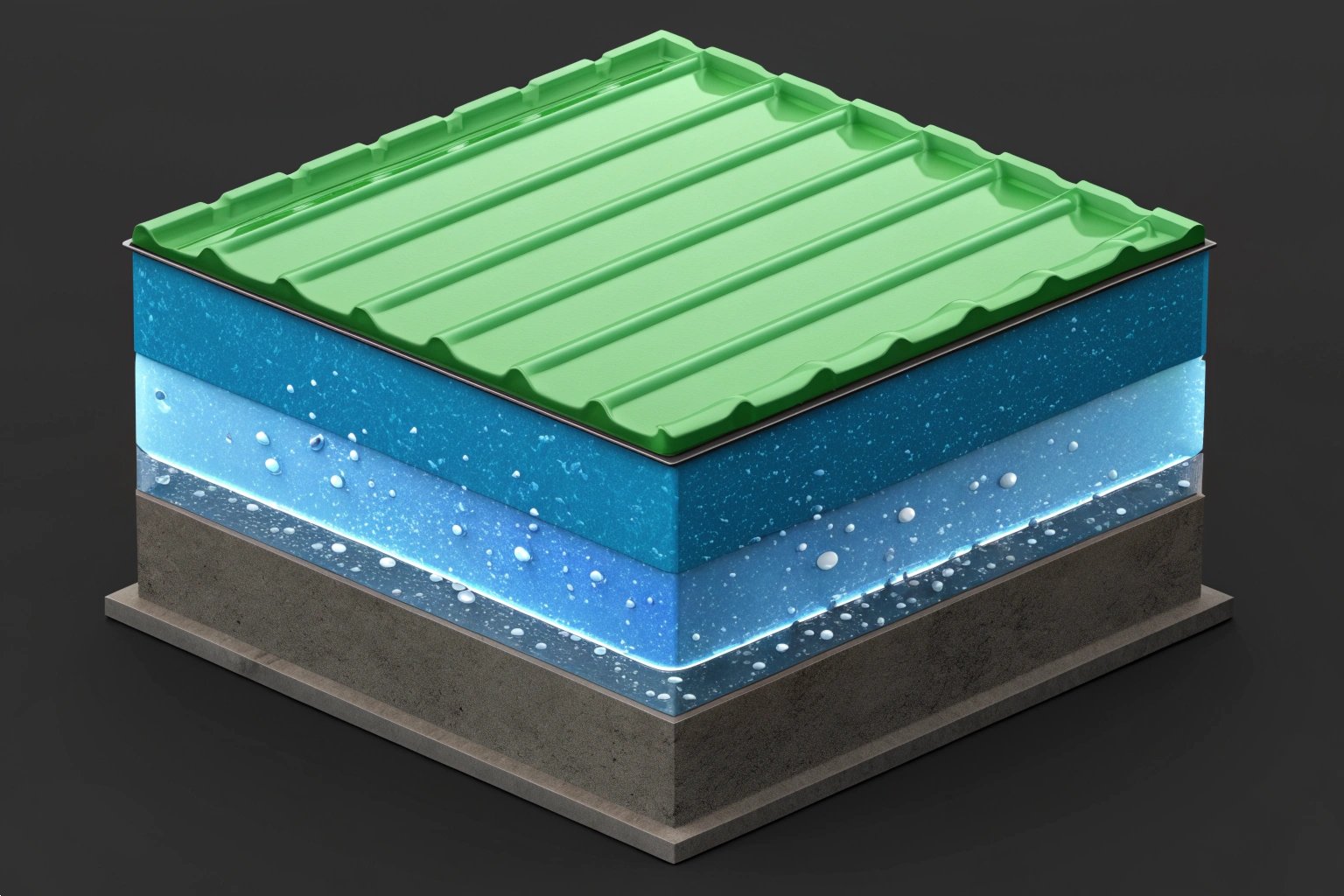
Providing insights from precision testing, reports outline how coatings fare under real-world conditions. These documents offer a deeper look at how specific pH levels might interact with various lacquer formulations 5, helping to forecast performance and identify the optimal solutions.
Understanding Test Reports
| Test Type | Duration | Methodology | Results |
|---|---|---|---|
| Salt Spray Test | 48 hours | ASTM B117 standards 6 | 1000 hours resistance with chromium oxide treatments |
| Acid/Alkali Test | Variable | Compliance with food safety standards | Prevents contamination and corrosion |
| Sulfur Media Test | Variable | Lab simulations | Reduced sulfur stains using resistant lacquer |
How do you ensure the long-term integrity and appearance of my Easy Open Ends in challenging corrosive environments?
Ensuring long-term performance and appearance requires robust coatings designed for durability. My concern is about how well these coatings withstand the test of time in harsh conditions.
Long-term integrity and appearance are ensured through innovative coating technologies 7 that prioritize durability and aesthetic preservation. These coatings involve multi-layer applications that resist degradation in corrosive environments.

Coatings include chromium oxide treatments and specialized lacquers, allowing Easy Open Ends to resist salt and acid exposure. The multi-layer feature optimizes protection against corrosion, maintaining the metal’s integrity without compromising on the product’s aesthetic appeal.
Multi-Layer Protection Strategy
| Layer Type | Function | Key Features |
|---|---|---|
| Base Coat | Initial Contact Barrier | Strong adhesion and durability |
| Intermediate Layer | Added Corrosion Resistance | Withstands extreme temperatures |
| Top Coat | Final Protective Layer | Resistant to scratches and wear |
What are the recommended coating systems for my products that are highly acidic, alkaline, or sulfur-containing, and what are the cost implications?
When dealing with highly acidic, alkaline, or sulfuric environments, selecting the right coating is crucial. I’ve often considered the cost implications tied to these recommendations.
Recommended coating systems 8 for products exposed to acidic, alkaline, or sulfur environments include epoxy-based lacquers and acrylic polymers. While effective, the cost varies based on coating type and application method.

The coatings designed for these conditions use organosol-based and epoxy systems that maintain product quality even in corrosive settings. The cost is influenced by the complexity of the application process and material choice, especially when considering long-term investments 9.
Cost Implications Analysis
| Coating System | Environmental Suitability | Cost Factors |
|---|---|---|
| Epoxy-Based System | General Corrosion Resistance | Material cost and application method |
| Acrylic Polymer System | Specialized Compatibility | Maintenance and long-term durability |
| Organosol System | Aggressive Media Resistance | Initial investment versus lifespan |
Do your corrosion-resistant coatings for Easy Open Ends comply with FDA/EU food safety standards when imported from China?
Compliance with food safety standards 10 is non-negotiable. This aspect is critical for the importation of Easy Open Ends into global markets from China.
Coatings used for Easy Open Ends adhere to ASTM, FDA, and EU food safety standards. These coatings are verified to prevent contamination and ensure product safety upon importation into various countries.

The adherence to these regulations ensures that coatings maintain food safety while providing corrosion resistance. By complying with these standards, Easy Open Ends can be safely integrated into global food packaging and processing industries without compromising consumer assurances.
Compliance Verification Process
| Safety Standard | Regulation Details | Compliance Assurance |
|---|---|---|
| ASTM Standards | Material and corrosion checks | Regular audits and certifications |
| FDA Approvals | Food contact safety | Laboratory testing and reporting |
| EU Regulations | Importation safety criteria | Documentation and verification |
Conclusion
Corrosion-resistant coatings on Easy Open Ends are pivotal in ensuring product durability and compliance across diverse conditions.
Footnotes
1. Explore new coating formulations designed for enhanced performance in food packaging Easy Open Ends. ↩︎
2. Review the full text of the Food Safety Modernization Act (FSMA) governing food safety standards in the US. ↩︎
3. Read a study on the process for selecting the correct lacquer coatings for different types of metal packaging. ↩︎
4. Guide to the detailed technical data and test reports available for corrosion resistance testing of packaging. ↩︎
5. Insights into how specialized lacquer formulations are used to achieve necessary corrosion resistance in metal packaging. ↩︎
6. Official document for the ASTM B117 standard practice for operating a salt spray (fog) apparatus. ↩︎
7. Discover the latest innovative coating technologies being deployed in the metal packaging industry for durability. ↩︎
8. Learn about new developments and different types of coating systems available for metal packaging applications. ↩︎
9. Analysis of the long-term value and benefits of investing in specialty coatings for packaging applications. ↩︎
10. Information on the ISO 22000 standard, which covers requirements for a food safety management system. ↩︎