
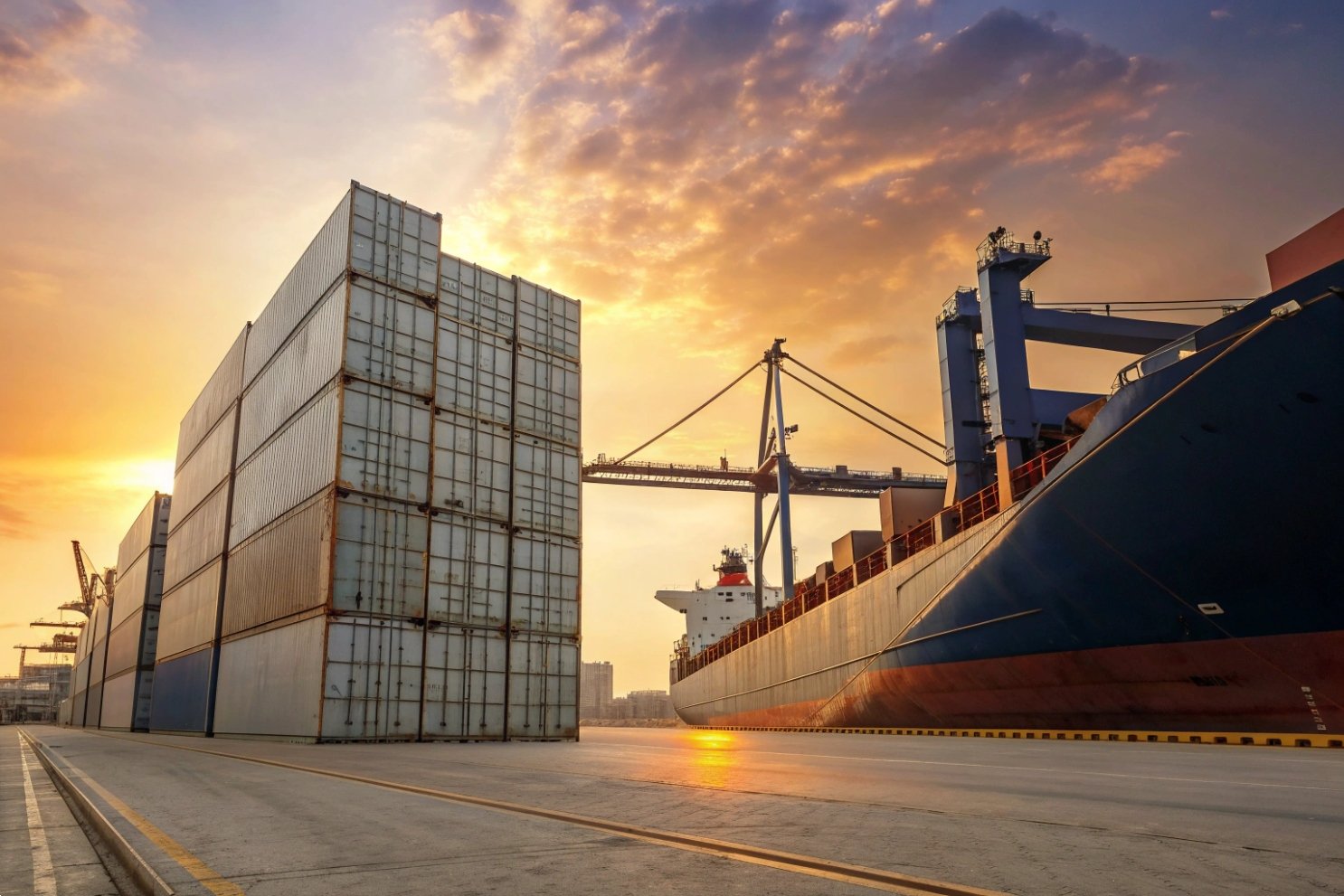
Navigating the shipping logistics for Easy Open Ends 1 exports might seem complex, but with the right approach, it becomes a manageable task. Having dealt with various shipping challenges, I understand the importance of optimizing routes and port selection.
Typically, the primary shipping ports for exporting Easy Open Ends from China to the US are Xiamen, Fuzhou, and Quanzhou 2. Each port offers unique advantages, with Xiamen 3 often being the preferred choice for its efficiency and connectivity.
Choosing the right ports and shipping routes is crucial to ensure timely deliveries and cost efficiency 4. Xiamen, with its direct lines to the US, often stands out as the best option, complemented by others depending on specific logistics needs.
Which specific Chinese ports do you primarily use for shipping Easy Open Ends to the US, and what are the transit times from each?
Selecting the optimal port can be a game-changer in logistics. From my experience, alignment of port logistics with business objectives 5 is key.
The primary ports used for exporting Easy Open Ends include Xiamen, Fuzhou, and Quanzhou, with transit times varying depending on the port’s connectivity and distance to the destination, typically taking between 18 to 30 days to reach the US.
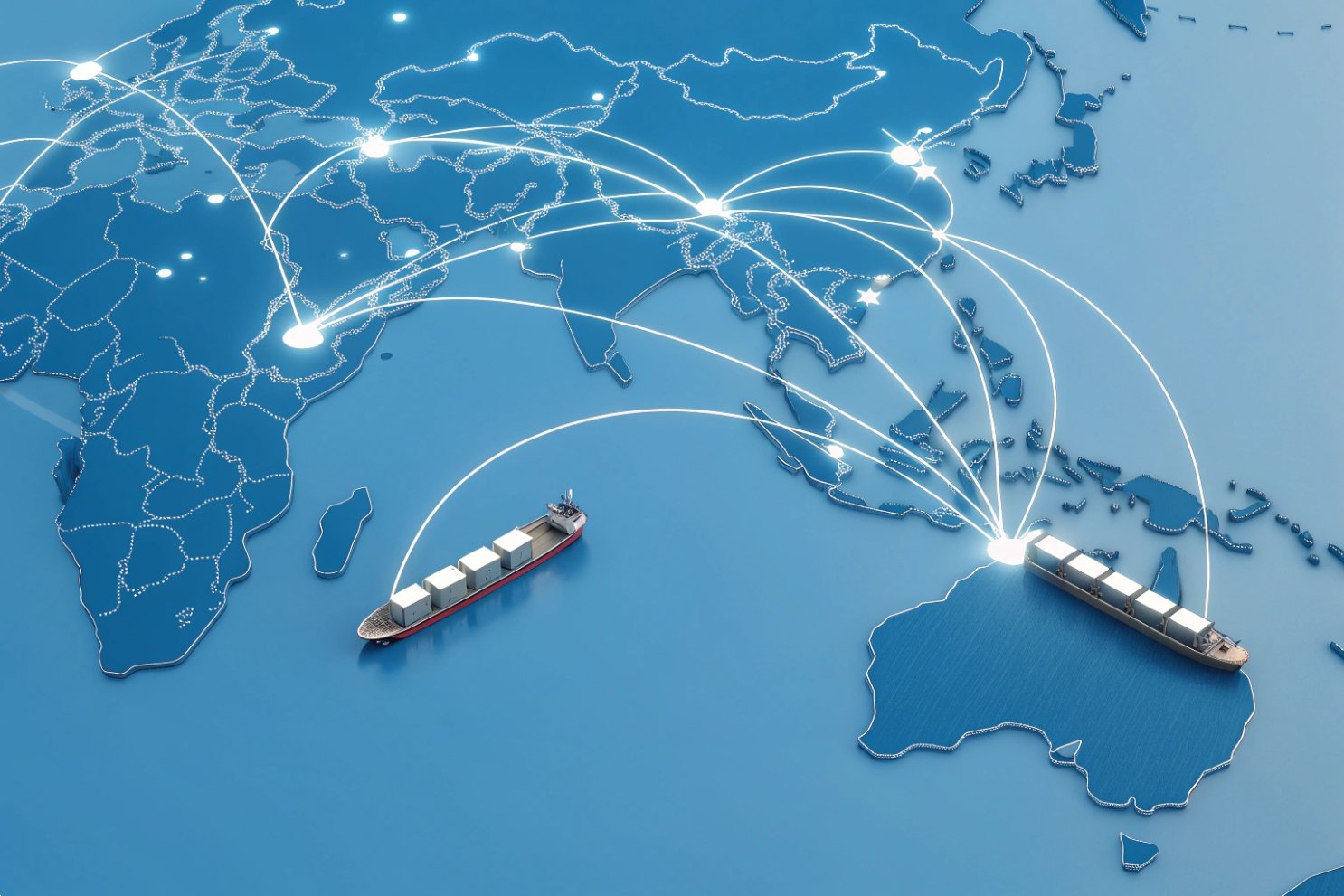
Overview of Port Transit Times
| Port | Average Transit Time (days) | Key US Ports |
|---|---|---|
| Xiamen | 18-25 | Los Angeles, Long Beach |
| Fuzhou 25-30 | San Francisco, Seattle | |
| Quanzhou | 28-35 | Los Angeles |
While Xiamen offers the fastest transit, each port’s choice should depend on specific factory locations 6 and overall supply chain needs.
How do you select the most efficient and cost-effective shipping routes for my Easy Open Ends to minimize transit time and freight costs?
The logistics puzzle involves numerous parts, each of which impacts cost and timing. I’ve fine-tuned this process to optimize efficiency.
The strategy for selecting shipping routes involves analyzing port capacities, shipping schedules, and historical congestion data to minimize transit times and reduce freight costs, ensuring a seamless supply chain for Easy Open Ends.

Strategy for Efficient Shipping Routes
| Factor | Impact | Explanation |
|---|---|---|
| Port Proximity | Reduces Costs | Closer ports lower inland freight expenses |
| Shipping Schedules | Improves Timing | Align schedules to avoid delays |
| Congestion Monitoring | Increases Reliability | Choose less congested routes for consistency |
Maximizing efficiency comes down to proactive planning and effective negotiation with shipping partners 7.
Can I specify a preferred shipping port in China for my Easy Open Ends, and are there any cost implications?
Choosing a preferred port requires consideration of potential impacts on logistics and costs. I have often navigated these implications to maintain optimal shipping procedures.
Specifying a preferred port for Easy Open Ends exports can influence logistics efficiency and incur additional charges due to varying port handling fees or less optimized shipping frequencies.
Considerations in Specifying Ports
| Consideration | Possible Impact | Explanation |
|---|---|---|
| Extra Fees | Increases Costs | Ports may charge additional handling fees |
| Shipping Frequency | Alters Timing | Less traffic may mean fewer sailings |
| Logistical Suitability | Affects Efficiency | Some ports might have better infrastructure |
Opting for a specific port might offer logistical benefits but may also require trade-offs in terms of higher costs or fewer shipping options 8.
How do you coordinate with shipping lines and freight forwarders to ensure smooth and timely delivery of my Easy Open Ends from China?
Orchestrating the logistics chain requires deft coordination and communication. I’ve honed this ability to ensure timely and efficient deliveries.
Coordinating with shipping lines and freight forwarders 9 involves meticulous planning, constant communication, and responsive scheduling to address potential challenges and ensure the timely delivery of Easy Open Ends exports.

Achieving Effective Coordination
| Coordination Aspect | Method | Benefit |
|---|---|---|
| Schedule Alignment | Frequent Updates | Avoids delays through syncing logistics |
| Communication | Regular Contact | Maintains clarity and adapts to changes |
| Problem Solving | Contingency Plans | Quick response to any arising issues |
Successful coordination is paramount to maintaining a smooth supply chain 10, ensuring all operational facets are aligned with shipping schedules.
Conclusion
By carefully selecting ports and optimizing shipping routes, exporting Easy Open Ends from China becomes a streamlined process, balancing cost, and delivery efficiency.
Footnotes
1. Wikipedia entry detailing the history and structure of Easy Open Ends (EOE) packaging. ↩︎
2. Comprehensive list of major commercial ports across China that handle significant export traffic. ↩︎
3. Official port authority website for Xiamen, highlighting its connectivity and service capabilities. ↩︎
4. Explanation of cost efficiency, its calculation, and importance in business and logistics operations. ↩︎
5. Harvard Business Review article discussing how port selection aligns logistics with broader corporate goals. ↩︎
6. Guide to mapping factory locations relative to shipping ports for optimized supply chain logistics. ↩︎
7. Industry best practices for effectively collaborating and negotiating with ocean shipping carriers and partners. ↩︎
8. UNCTAD analysis on the impact of shipping frequency and network connectivity on global trade. ↩︎
9. Detailed look at the critical role of freight forwarders in organizing and managing the complex shipping process. ↩︎
10. McKinsey & Company insights on strategies for building and maintaining a resilient and smooth supply chain. ↩︎