
Effective management of the Easy Open Ends lifecycle from R&D to mass production is critical. Focusing on quality in each phase ensures that potential sealing issues are addressed, minimizing customer return losses.
Managing the lifecycle of Easy Open Ends involves structured processes within a PLM 1 and ECO framework, 2 ensuring all changes are documented, communicated, and verified through formal channels and testing before implementation in production.
It’s vital to have a well-planned product lifecycle management strategy. 3 This includes clear stages and guidelines to ensure seamless transitions and maintain trust and satisfaction.
What Is Your Formal Engineering Change (EC) Control Process for My Easy Open Ends, and How Will I Be Notified of Any Material, Coating, or Design Changes?
Receiving real-time updates on engineering changes is crucial to avoid disruptions. It’s important that changes are communicated clearly and promptly.
The formal EC control process ensures all changes, whether in design, material, or coatings, are thoroughly communicated and documented, allowing sufficient time for review and adaptation.
The process typically involves:
Steps in EC Control Process
- Issuance of Engineering Change Notice (ECN): Clearly outlines what is to be changed and why.
- Documentation: Updated technical specifications 4 and drawings accompany every change.
- Notification Window: Often 60-90 days before change implementation.
The inclusion of detailed notifications ensures preparedness and adaptability.
| Step | Description |
|---|---|
| ECN Issuance | Details the change and technical rationale. |
| Documentation Provided | Includes updated specs and drawings. |
| Notification Period | Provides advance notice of 60-90 days. |
How Do You Ensure That All Version Changes to My Easy Open Ends Are Thoroughly Verified and Re-qualified Before Implementation in Mass Production?
Proper verification is vital. Ensuring every change is tested and validated avoids unexpected issues during mass production.
Verification is completed through detailed protocols involving sample reviews 5 and line tests. This ensures alignment with current production requirements.
Verification and Re-qualification
- Sample Review: Prototypes are produced and scrutinized against current standards.
- Line Trials: Ensure practical compatibility testing 6 and performance in real-world settings.
- Final Approval: Comprehensive results guide final approval and updates.
Consistency is key, and this process ensures reliable product quality.
| Stage | Details |
|---|---|
| Sample Review | Align prototypes with current standards and specifications. |
| Line Trials | Evaluate performance in actual production environments. |
| Final Approval | Use tested results to update and approve changes. |
Can I Review Your Product Lifecycle Management Documentation to Understand How My Easy Open Ends Are Maintained and Updated Over Time?
Access to detailed lifecycle management documents builds insight and trust, fostering collaboration and foresight in production strategies.
Documentation provides comprehensive visibility into lifecycle management, outlining how your Easy Open Ends are consistently maintained and adapted over time.
Documentation Insights
- Master Data: Clear listing of part numbers 7 and specs.
- Stage Control: Details from development through to obsolescence.
- End-of-Life Planning: Strategies for handling and replacing outdated models. 8
Easy access to these insights is crucial for effective preparation and strategy.
| Aspect | Information Provided |
|---|---|
| Master Data | Lists part numbers, specifications, and updates. |
| Stage Control | Covers development, production, and maintenance stages. |
| End-of-Life Planning | Plans for replacements and last-time-buy strategies. |
Are There Any Cost Implications or Lead Time Changes Associated With Engineering Changes for My Easy Open Ends?
Understanding cost implications is key to effective planning. Clear insights help in managing budgets and production schedules effectively.
Cost and lead time 9 changes are carefully evaluated during the engineering change process, ensuring full transparency and detailed communication.
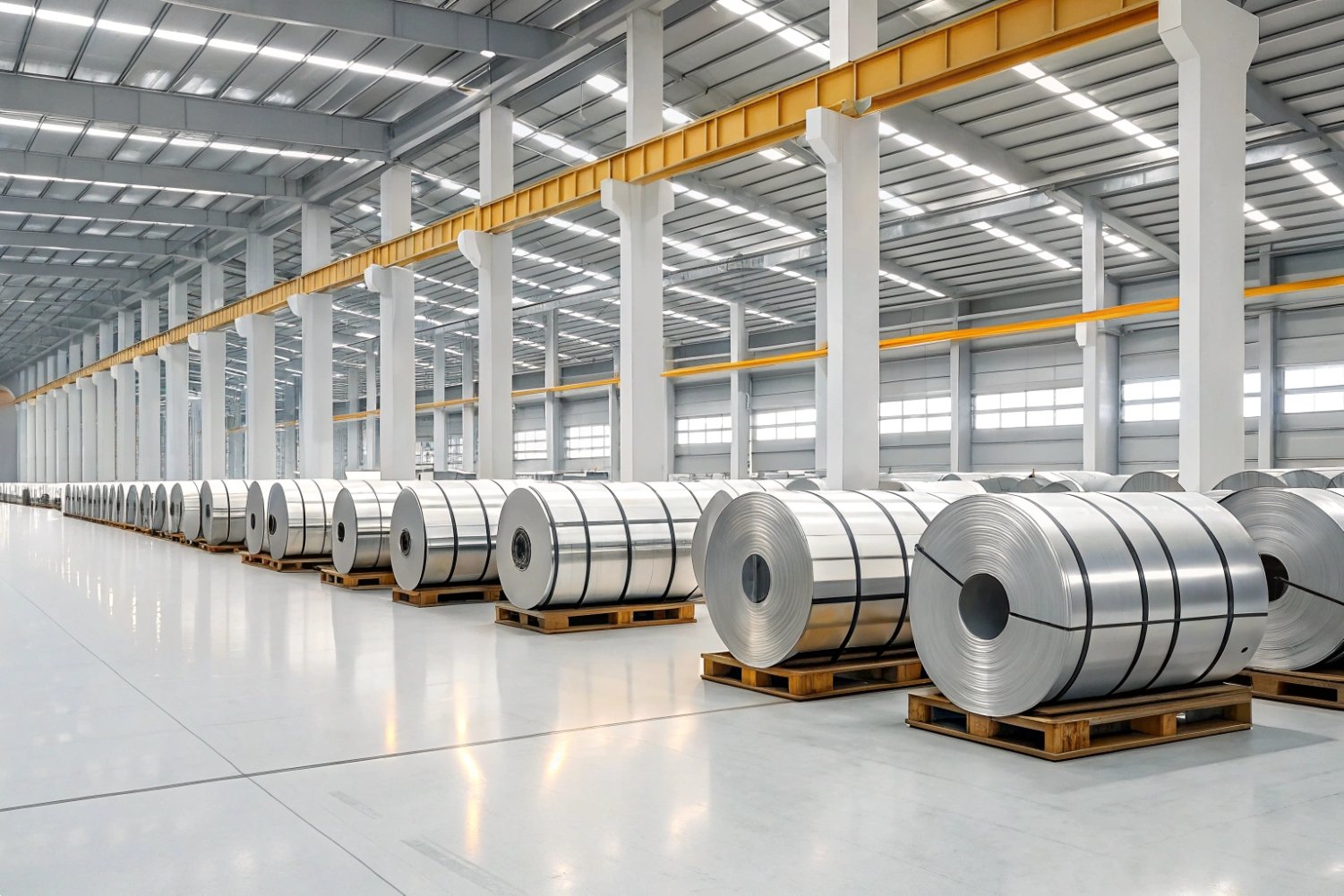
Cost and Lead Time Factors
- Cost Evaluation: All costs, associated with updates, are analyzed and shared.
- Lead Time Assessment: Potential adjustments to supply chain timelines 10 are assessed.
- Transparent Documentation: Clear communication of cost implications ensures informed decisions.
Full transparency in cost and timeline management aids strategic planning and readiness.
| Consideration | Details |
|---|---|
| Cost Evaluation | Analyzes potential cost changes associated with updates. |
| Lead Time Assessment | Evaluates potential changes in production timelines. |
| Documentation | Provides detailed insight into cost and timeline impacts. |
Conclusion
Successful product lifecycle management relies on thorough processes, transparent communication, and comprehensive documentation. These ensure seamless updates, validated changes, and maintained customer trust across Easy Open Ends production stages.
Footnotes
1. Understand how Product Lifecycle Management (PLM) integrates data and processes. ↩︎
2. Definition of the Engineering Change Order (ECO) process for manufacturing. ↩︎
3. Guide to developing effective strategies for product lifecycle oversight. ↩︎
4. Reference for international technical and quality standards in manufacturing. ↩︎
5. Overview of the Production Part Approval Process (PPAP) for quality. ↩︎
6. Standards for testing the integrity and compatibility of containers. ↩︎
7. Global standards for identifying and tracking parts and products. ↩︎
8. Best practices for managing product obsolescence and phase-outs. ↩︎
9. Definition and impact of lead times on manufacturing efficiency. ↩︎
10. Industry news and trends regarding supply chain management and logistics. ↩︎