

Verifying the compatibility of Easy Open Ends with seaming machines can be daunting. I wonder how I can ensure seamless integration with my Angelus, Ferrum, or Borden machines without hiccups.
To verify compatibility, start by reviewing the technical specifications provided by your supplier. Compare the end dimensions and seam profile with the requirements of your seaming machines. Conduct test runs with sample ends to check integration and performance. Request manufacturer support and consult seaming machine manuals 1 for precise specifications.
Understanding the potential challenges in integrating new parts with existing machinery is crucial. Ensuring dimensional and technical compatibility prevents costly setbacks. Let’s explore the specifics of this complex process and how to perform compatibility checks effectively.
What technical documentation and recommendations do you provide to ensure seamless integration of your Easy Open Ends with my specific seaming machine models?
Ensuring seamless integration requires precise technical guidance; I need to know what documents and recommendations you offer for my Ferrum and Borden machines.
Featured paragraph:
Access detailed technical documentation, including specifications and dimensional drawings. They will help verify end compatibility with seaming machines. Additionally, seek recommendations on adjusting seaming parameters like pressure or speed for optimal performance.
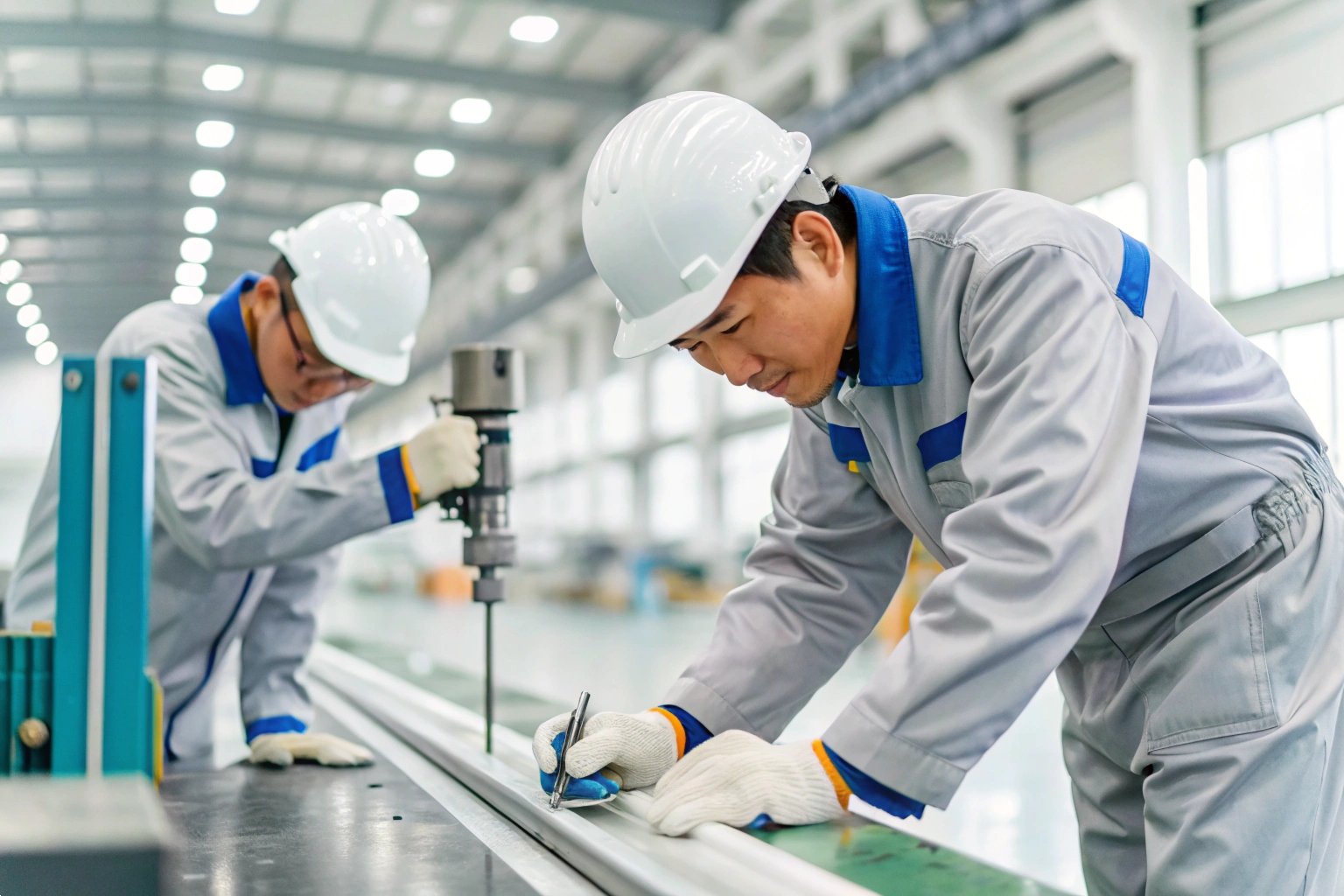
Integration goes beyond a simple drop-in replacement. The technical documentation 2 plays a pivotal role here. Be mindful of several key aspects when reviewing:
Key Documentation to Request
- Dimensional Drawings: These include critical end measurements such as diameter and thickness, which must align with machine specifications.
- Parameter Recommendations: Instructions on adjusting seaming pressure and machine speed are vital for optimal performance with specific end models.
- Material Specifications: Information on the materials used, such as aluminum 3 or various coatings, helps avoid material-related issues.
- Compatibility Tables: These tables provide quick insights into which machine models and end types work best together, ensuring smoother integration.
Table: Common Seaming Parameters
| Parameter | Angelus Machines | Ferrum Machines | Borden Machines |
|---|---|---|---|
| Seaming Pressure | Medium to High | Adjustable | High |
| Seaming Speed | Adjustable | Medium | Medium |
| End Material | Aluminum/ETP | ETP/Steel | Aluminum |
| Chuck Diameter | Varies | Standard | Customizable |
Using these elements effectively can save time and reduce errors during integration. Ensuring proper alignment between the technical specifications and the physical machine setup is crucial. Don’t overlook any details—the integration process is intricate 4, but attention to these elements fosters success.
Do you offer on-site technical support or remote guidance for first mass production runs to debug and optimize seaming parameters at my factory?
Implementing new components can be risky without support; I wonder if you provide on-site or remote guidance to tackle first production challenges.
Yes, we offer both on-site technical support 5 and remote assistance to ensure your first production runs are problem-free. This support helps debug seaming parameters and optimize machine settings, ensuring smooth operation.
Starting mass production with new elements calls for robust backup plans. Support during this phase can mitigate risks significantly, enhancing productivity. Here’s how the process unfolds:
Types of Support Offered
- On-Site Technical Support: Expert technicians visit your factory to aid in setting up and debugging machines. They ensure real-time adjustments 6 and monitor progress closely.
- Remote Guidance: Access to support through video calls and digital instructions provides flexibility. It allows for immediate troubleshooting without waiting for on-site presence.
- Training Programs: Comprehensive programs equip your team with the knowledge needed for seamless machine adjustments over time. They provide insights into typical challenges and solutions.
- Monitoring Systems: Implementation of automated monitoring assists in tracking 7 machine performance, detecting errors before they escalate.
Table: Support Features Comparison
| Support Feature | On-Site Support | Remote Guidance | Training Programs |
|---|---|---|---|
| Real-time adjustments | ✅ | ❌ | ❌ |
| Immediate Access | ❌ | ✅ | ❌ |
| Error Detection | ✅ | ✅ | ❌ |
| Skill Development | ❌ | ❌ | ✅ |
These elements foster efficient operations during integration phases. Providing timely support ensures compatibility and optimal performance, reducing downtime and improving results.
Can I receive sample Easy Open Ends for testing on my production lines to confirm compatibility before placing a large order from China?
Before committing, receiving samples would be reassuring; I request upfront testing to affirm compatibility on production lines 8.
Yes, receiving samples for testing is a standard procedure. It ensures end compatibility across production lines. Test runs validate integration and help identify potential issues before scaling up orders.
Testing samples forms the backbone of validation efforts. Practical trials on your production lines reveal vital insights into compatibility. Here’s the approach to conducting tests effectively:
Why Sample Testing Matters
- Compatibility Assurance: Working with samples offers immediate feedback on the performance across various machine setups. It prevents guesswork and uncertainty.
- Issue Identification: Early testing allows quick recognition of potential fit issues or operational faults that might require modifications.
- Feedback Collection: Engaging machinery operators in the testing phase helps gather real-world insights 9, aiding in adjustments before large-scale production commitments.
- Customization Opportunities: Sample testing opens avenues for customization based on performance metrics observed. Adjustments in size or material specifications might be necessary.
Table: Sample Testing Process
| Testing Stage | Action | Outcome |
|---|---|---|
| Initial Trials | Run small batches | Observe fit and seam quality |
| Performance Check | Measure metrics | Identify discrepancies |
| Feedback Session | Consult operators | Collate views and suggestions |
| Adjustment Phase | Implement changes | Enhance compatibility |
Emphasizing sample testing secures integrity 10 within the production environment. It fosters confidence and clarity, driving informed decisions for future procurement strategies.
How do you handle potential compatibility issues, and what is your process for corrective actions and technical adjustments for my Easy Open Ends?
Understanding how you address potential issues is vital; what is your process for corrective actions to ensure seamless fit?
We address compatibility issues through systematic evaluations. Thorough analysis helps identify root causes, leading to corrective actions. Post-evaluation, technical adjustments ensure easy open ends fit smoothly.

Navigating compatibility hurdles requires proactive strategies. Understanding the core issues and resolving them efficiently is key to maintaining productivity and performance. Here’s the breakdown:
Steps in Handling Issues
- Evaluation Phase: Detailed review of documented specifications and field observations identifies discrepancies in integration points.
- Diagnostic Tests: Conduct thorough diagnostic testing using advanced tools to pinpoint technical faults or misalignments.
- Corrective Actions: Execute strategic alterations in design or machinery setup to remedy identified problems.
- Feedback Implementation: Collaborate with end-users for final adjustments and verification, ensuring optimal performance.
Table: Compatibility Resolution Framework
| Resolution Step | Action Items | Effectiveness |
|---|---|---|
| Problem Detection | Document review | High |
| Testing Procedures | Diagnostic tests | Medium |
| Strategic Changes | Design alterations | High |
| Final Verification | User feedback | High |
This approach fosters adaptability and resilience within operational settings. Addressing compatibility concerns ensures uninterrupted operations, boosting efficiency and reliability.
Conclusion
Verifying seaming machine compatibility is crucial to prevent disruptions. Detailed documentation, real-world testing, and robust support ensure seamless integration. Remember, adapting to potential challenges secures optimal outcomes.
Footnotes
1. Guide to finding and using seaming machine manuals for correct specifications. ↩︎
2. Best practices for generating and maintaining critical technical documentation for parts. ↩︎
3. Detailed information on the use and properties of aluminum in packaging applications. ↩︎
4. Essential tips for ensuring successful integration of new components into existing production lines. ↩︎
5. Explaining the benefits of having expert technicians on-site for complex machinery setup and debugging. ↩︎
6. Importance and methodologies of monitoring machine adjustments in real-time during production. ↩︎
7. How automated monitoring systems detect and track machine performance to prevent errors. ↩︎
8. Strategies and methods for maximizing the operational efficiency of manufacturing production lines. ↩︎
9. Discussion on the value derived from collecting and applying real-world data from field operations. ↩︎
10. Overview of standards and best practices for conducting effective sample testing in packaging. ↩︎