
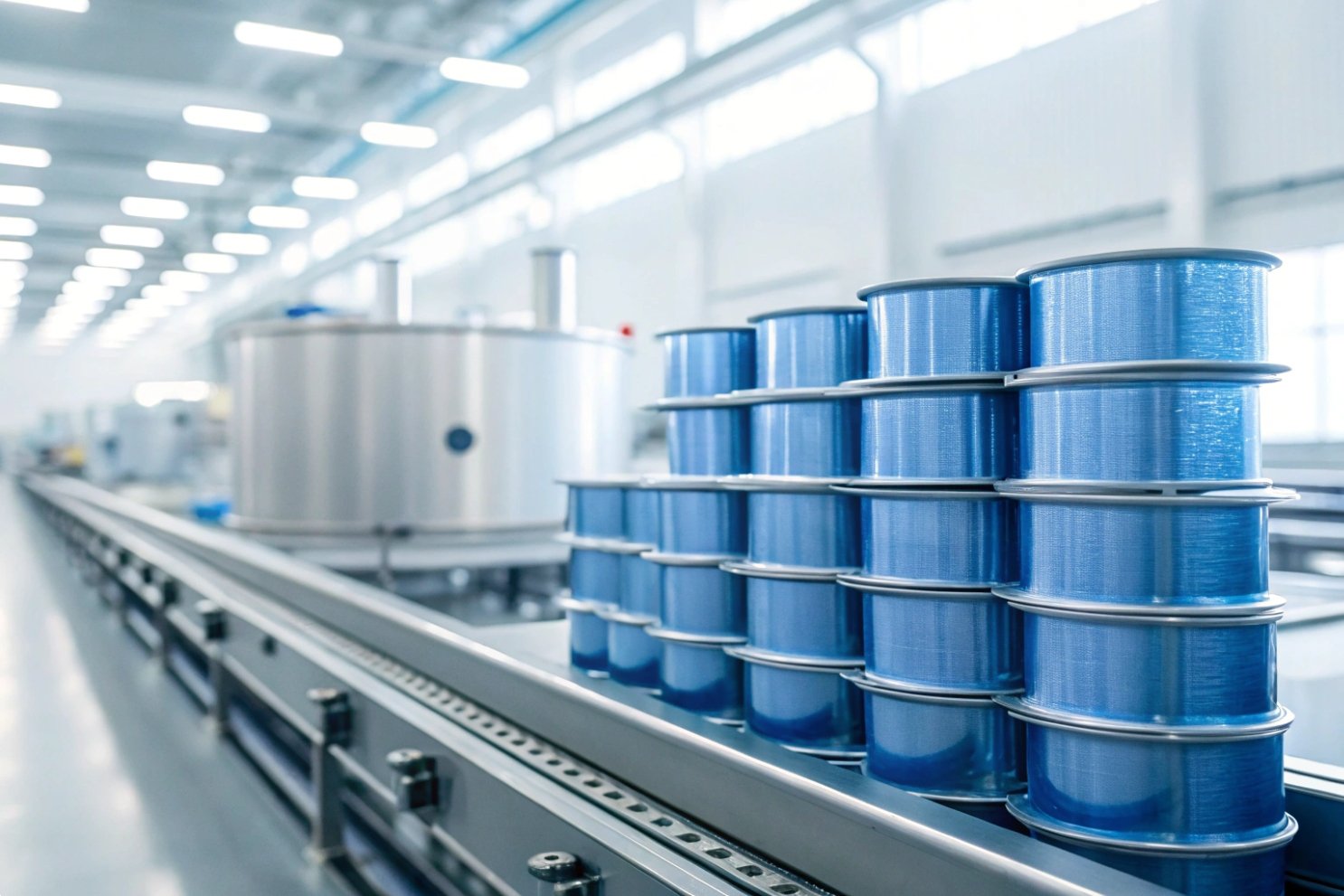
When transporting my Easy Open Ends overseas, rust prevention 1 is a top concern for me. Ensuring these ends stay corrosion-free during the long sea journeys while meeting food safety standards is vital. I must know they’re adequately protected.
Yes, anti-corrosion and moisture-proof measures like VCI and rust-proof oils are applied. These methods are carefully selected to avoid contamination on food-contact surfaces, complying with FDA and EU regulations for safety.
Understanding the strategies we employ can reassure my concerns, especially regarding different climatic conditions 2 and their impact on cargo during transit.
What Specific Anti-Corrosion and Moisture-Proof Measures, Like VCI Paper or Rust-Proof Oil, Do You Apply to My Easy Open Ends for Overseas Shipment?
Transporting products overseas involves various risks like rust, especially for prolonged periods. I’m worried if VCI papers and oils can adequately protect my Easy Open Ends during this journey.
Our methods include VCI films 3 and specific oils on non-food-contact surfaces, ensuring they don’t compromise food safety or product quality while shielding against rust.
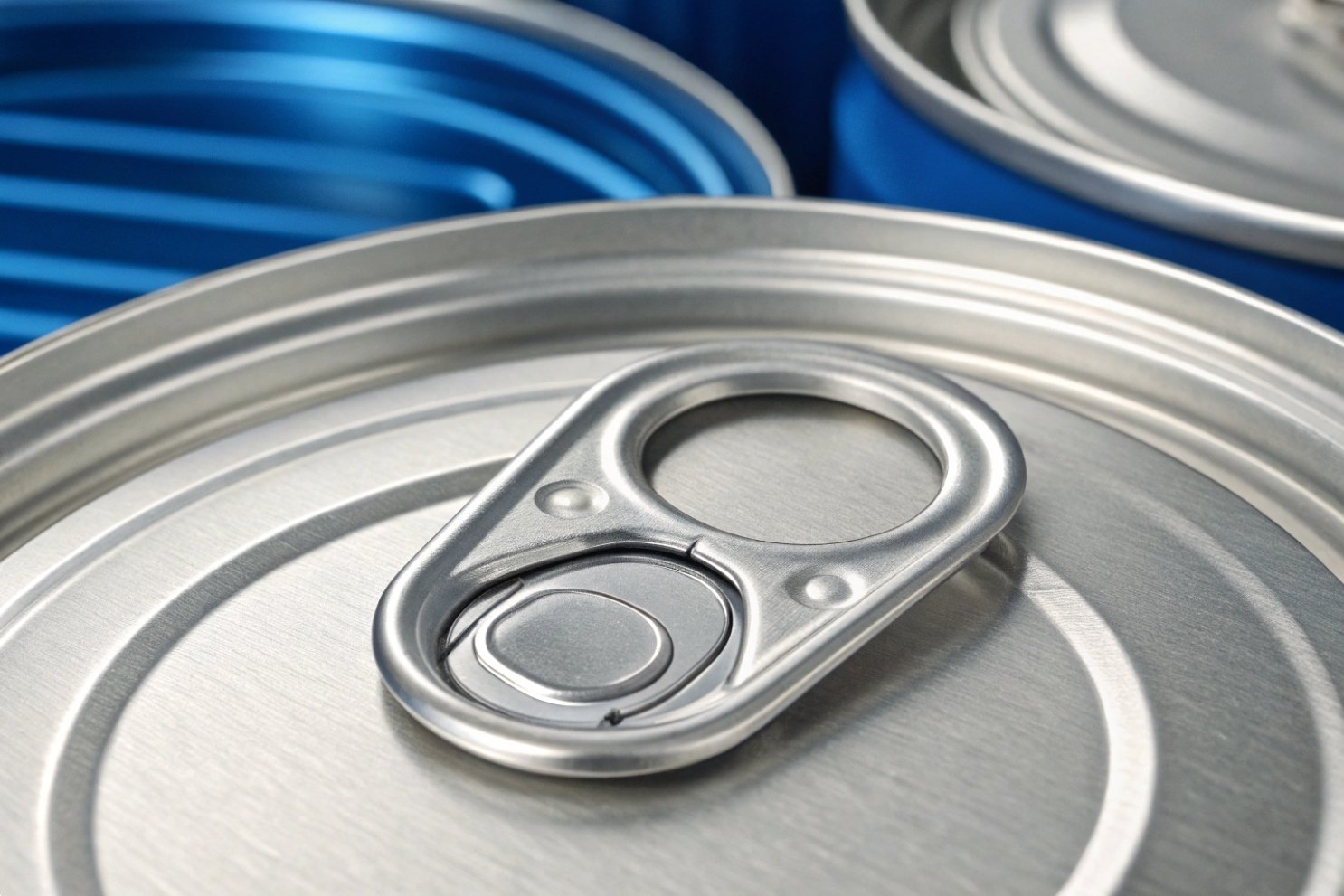
In-Depth Protective Measures
Here’s how we approach rust prevention for shipping:
- VCI Films: Used in packaging to mitigate humidity and prevent rust.
- Rust-Proof Oils: Applied on equipment, never directly on food-contact ends.
These strategies are part of a thoroughly tested method to protect each shipment. By using modern VCI technologies 4 and understanding environmental conditions, we manage to reduce rust occurrence effectively, safeguarding product integrity throughout transit.
| Protection Method | Application Area | Benefit |
|---|---|---|
| VCI Films | Packaging surround | Controls humidity levels |
| Rust-Proof Oils | Non-food-contact areas | Creates a moisture barrier |
| Regulation Compliance | Food-contact safety | FDA and EU conformity |
Can I Receive a Food Safety Declaration Confirming That These Protective Measures for My Easy Open Ends Have No Adverse Impact on Food Contact and Comply with FDA/EU Regulations?
The application of protective substances raises concerns about food safety compliance 5. How can I be sure that these measures won’t affect the safety of my Easy Open Ends?
You can receive a formal food safety declaration that verifies adherence to FDA and EU standards and confirms no adverse impact on food-contact areas.

Ensuring Safety and Compliance
Here’s how we guarantee compliance within food safety protocols 6:
- Official Declaration: Indicates conformity with FDA/EU rules.
- Assessment: Demonstrates safe use of VCI and oils around food.
This declaration is vital for regulatory inspections, acting as proof that the anti-corrosion strategies we employ don’t compromise food-contact surfaces, ensuring full compliance with international standards 7.
| Safety Aspect | Details | Regulatory Compliance |
|---|---|---|
| Declaration | Confirms FDA/EU alignment | Assurance of safety |
| Impact Statement | No negative effects | Assurance for food-contact areas |
| Documentation | Supporting for import regulations | Integrity of protective measures |
How Do You Ensure These Protective Treatments Are Effective for Long Transit Times from China, Especially Through Different Climatic Zones?
Long distances and climatic variations are a worry. Do the protective measures hold up against these challenges during transport?
Our approach includes evaluating climatic impacts and adapting our protective measures to maintain effectiveness through diverse conditions 8.

Managing Climatic Impacts
Here’s our approach to ensuring effectiveness through varying climates:
- Climatic Evaluation: Continuous assessment helps predict impacts.
- Adaptive Measures: Tailor applications to specific environmental conditions.
By responding proactively to climatic changes, we maintain the robustness of protective methods, ensuring that Easy Open Ends remain in pristine condition throughout the journey.
| Climatic Challenge | Protective Strategy | Outcome |
|---|---|---|
| Temperature Shifts | Adjust VCI film properties | Consistent rust prevention |
| Humidity Levels | Enhance oil applications | Moisture resistance |
| Extended Duration | Long-lasting protection | Ensures product safety and quality |
Are There Any Additional Costs for Implementing These Anti-Corrosion and Moisture-Proof Measures for My Easy Open Ends?
Budgeting for transportation 9 includes considering the cost implications of these protective measures. Will these strategies affect the overall shipping costs?
Introducing anti-corrosion techniques may involve additional costs, but they ensure product quality and safety, offsetting any potential losses due to rust and damage.

Cost vs. Benefit Analysis
Here’s how additional costs are justified by the benefits:
- Cost Transparency: Outlines expenses related to anti-corrosion measures.
- Value Addition: Guarantees safety and longevity, preventing loss.
While these measures might increase the upfront cost, they provide substantial long-term savings by preserving product quality 10, reducing potential losses due to corrosion, and ensuring compliance.
| Cost Component | Cost Implication | Benefit |
|---|---|---|
| VCI and Oils | Additional expenses | Prevents rust and damage |
| Compliance Documentation | Regulatory fees | Ensures continuous trade |
| Quality Assurance | Ongoing investment | Maintains product integrity |
Conclusion
Our robust anti-corrosion measures ensure Easy Open Ends remain top quality and adhere to food safety regulations, addressing all potential concerns about climate and cost implications.
Footnotes
1. Comprehensive guide on methods used to prevent oxidation and rust on metal surfaces. ↩︎
2. Overview of how different global climates and weather patterns affect physical goods. ↩︎
3. Technical explanation of how VCI films create a molecular barrier against corrosion. ↩︎
4. Insights into Volatile Corrosion Inhibitor technology and its industrial applications. ↩︎
5. Official FDA resources regarding the Food Safety Modernization Act and packaging standards. ↩︎
6. Explanation of HACCP protocols used to manage risks in food-related production. ↩︎
7. Information on ISO 22000 standards for global food safety management systems. ↩︎
8. Research on environmental factors and climate change impacts on global logistics. ↩︎
9. Definition and breakdown of logistics costs and supply chain financial planning. ↩︎
10. Dictionary of quality terms and standards for ensuring manufacturing excellence. ↩︎