
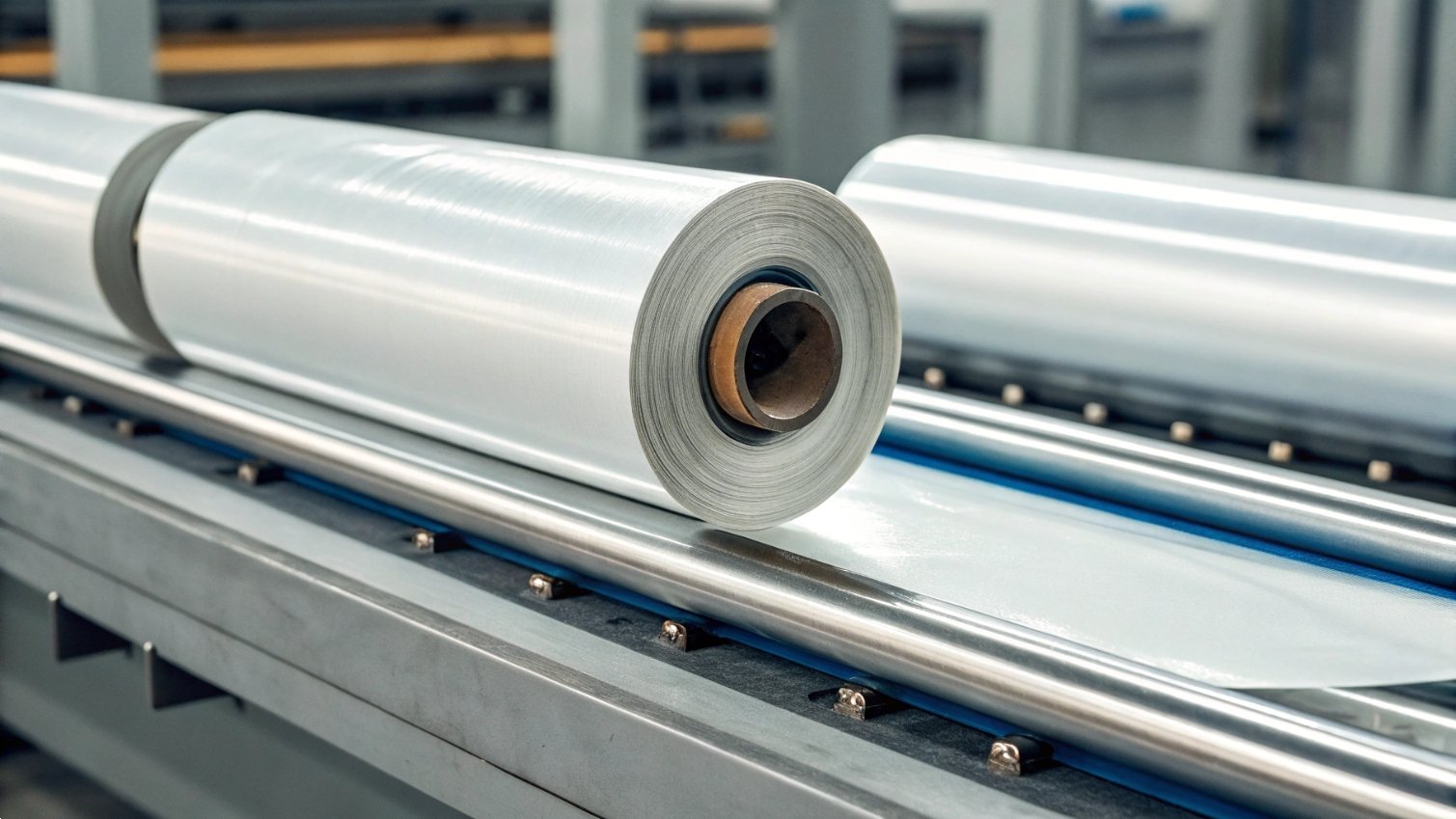
Imagine your product standing out on the shelves, free from scratches and dents, ensuring that your brand appeals to discerning customers. That’s the pivotal point for me when considering laminated solutions for Easy Open Ends.
Yes, laminated metal sheets are now widely used commercially for Easy Open Ends 1, providing superior scratch resistance, corrosion protection, and barrier performance compared to standard lacquer coatings. These laminations are achieved by applying a polymer film, such as PET, to tinplate or TFS 2, which enhances durability and the shelf life of the contents.
Laminated solutions not only protect the aesthetic quality of your product but also extend its shelf life by acting as a barrier against oxygen and moisture. This transition opens the door to a more detailed exploration of how laminated solutions can specifically benefit various aspects of Easy Open Ends.
What are the Technical Specifications and Material Options for Your Laminated Easy Open Ends, and What Barrier Properties Do They Offer?
Choosing the right specifications and materials is critical for ensuring the performance of laminated Easy Open Ends.
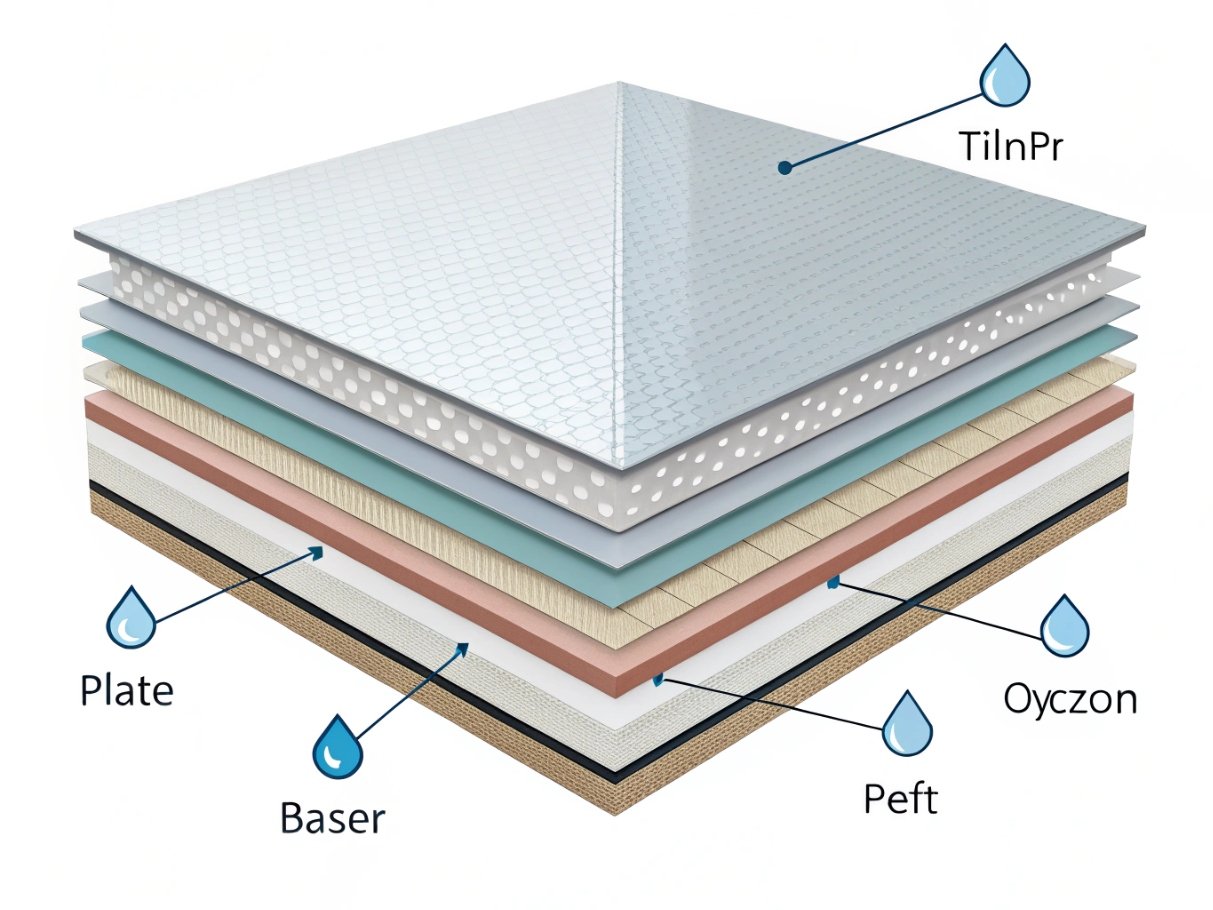
The typical construction of laminated EOEs involves applying a polymer film such as PET over metals 3 like tinplate or TFS. This film layer provides a continuous plastic barrier, significantly reducing metal contact and score-line corrosion—essential for aggressive or long-shelf-life foods. These specifications ensure that the final product aligns with durability and safety demands.
| Specification | Description | Benefits |
|---|---|---|
| Polymer Film | PET, EVOH | Enhanced barrier protection |
| Base Material | Tinplate/TFS | Structural integrity |
| Lamination Layers | Includes foil options | Reduced oxygen/moisture ingress |
Dive Deeper into Material Options
When exploring material options for laminated EOEs, a variety of factors come into play, including the balance of adhesion, flexibility, and barrier properties.
-
Polymer Film Type: Common options include PET and EVOH films, each offering different barrier performances. PET is renowned for its clarity and barrier integrity, while EVOH adds another layer for superior oxygen and moisture protection.
-
Lamination Layers: Composite structures may incorporate aluminum foil for added barrier layers, which significantly reduce oxygen and moisture transmission rates. Such layers guarantee long-term protection for products like seafood and pet food.
-
Heat Resistance: For sterilization or hot-fill applications 4, laminated structures must withstand high temperatures without compromising their integrity. Proper selection ensures scratch resistance and barrier efficiency are maintained.
-
Test Data: Reliable suppliers should provide performance metrics such as scratch/abrasion resistance and transmission rates for oxygen and moisture. These insights reassure clients about quality and suitability.
Different applications, such as dry versus retort pet food or human food, demand specific laminated specifications. Understanding these unique requirements is crucial for selecting the appropriate materials and techniques.
How Does Lamination Enhance the Scratch Resistance and Durability of My Easy Open Ends, and What Test Data Can You Provide?
Preventing scratches on Easy Open Ends is essential for both branding and product protection. Lamination significantly contributes to this requirement.
Laminated films provide a protective layer that absorbs impact and reduces abrasion, particularly in areas prone to scuffing during handling. This anti-scratch property 5 keeps the printed surface and functional coatings intact during transport and stacking, ensuring a premium product appearance.
| Test Type | Description | Results |
|---|---|---|
| Abrasion Resistance | Measures scratch durability | High |
| Impact Absorption | Evaluates film integrity | Superior |
| Scuffing Test | Assesses resistance to surface wear | Excellent |
Dive Deeper into Scratch Resistance
-
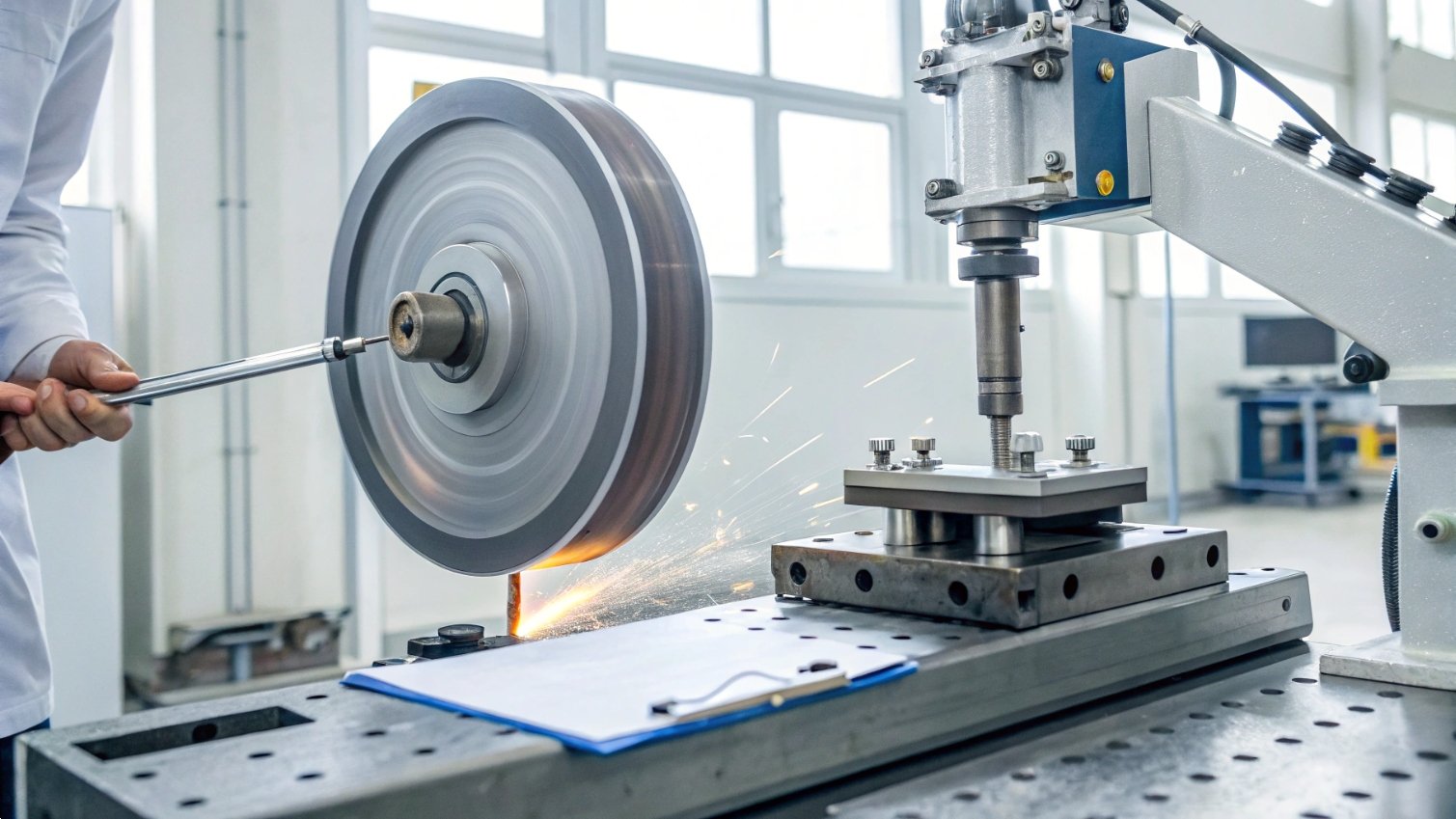
Sacrificial Layer: The polymer film acts as a sacrificial surface, absorbing impact and resisting scuffing from conveyors and seamer handling. This reduces micro-scratches in high-risk zones like the score and rivet areas.
-
Surface Texture Options: Laminated films are available in various finishes—matte, semi-matte, gloss, and textured—that influence a product’s appearance and consumer appeal.
-
Abrasion Tests: Laminated systems are rigorously tested for abrasion resistance 6, with standardized methods assessing durability during transport and stacking.
-
Transportation Durability: Laminated films ensure lifetime durability against physical damage during logistics, confirmed with environmental and stress tests under real-world conditions.
Lamination offers visible improvements in durability, minimizing defects from transport damages and meeting consumer expectations for quality.
Do Your Laminated Easy Open Ends Comply with FDA/EU Food Contact Regulations, and Can I Get Certification for Their Food Safety?
Product safety is non-negotiable, especially in the food industry. Every laminated Easy Open End must ensure compliance with food safety regulations.
Certain certifications, such as from the FDA or EU 7, are essential. They reassure that the product is safe for direct food contact. Furthermore, ensuring laminates are BPA-NI compliant 8 addresses modern consumer health concerns.
| Certification Type | Compliance Required | Description |
|---|---|---|
| FDA | Food Contact Safety | U.S. Standards |
| EU Regulations | Material Safety | European Standards |
| BPA-NI | Non-Intent BPA Usage | Health-focused |
Dive Deeper into Food Safety
-
FDA/EU Compliance: All laminated EOEs for food packaging must pass stringent safety tests to prevent contamination, including migration and toxicity tests as well as non-intent BPA regulations.
-
Certification Evidence: Suppliers should provide documentation confirming compliance with FDA/EU requirements, serving as proof that products pose no health risks.
-
Seam Testing: Beyond other tests, effective seaming trials 9 ensure compatibility with different can body and filling conditions, preserving product integrity throughout shelf life.
-
Market Trust: Certifications enhance customer trust and are crucial for avoiding liabilities and recalls, providing a competitive advantage.
Navigating regulatory compliance with your suppliers ensures adherence to standards and turns obligatory measures into appealing-selling points in the marketplace.
What is the Cost Premium for Laminated Easy Open Ends, and How Does It Compare to Standard Coated Options from China?
Cost is always a crucial consideration when it comes to product enhancements. It’s important to understand the price implications of transitioning to laminated Easy Open Ends.
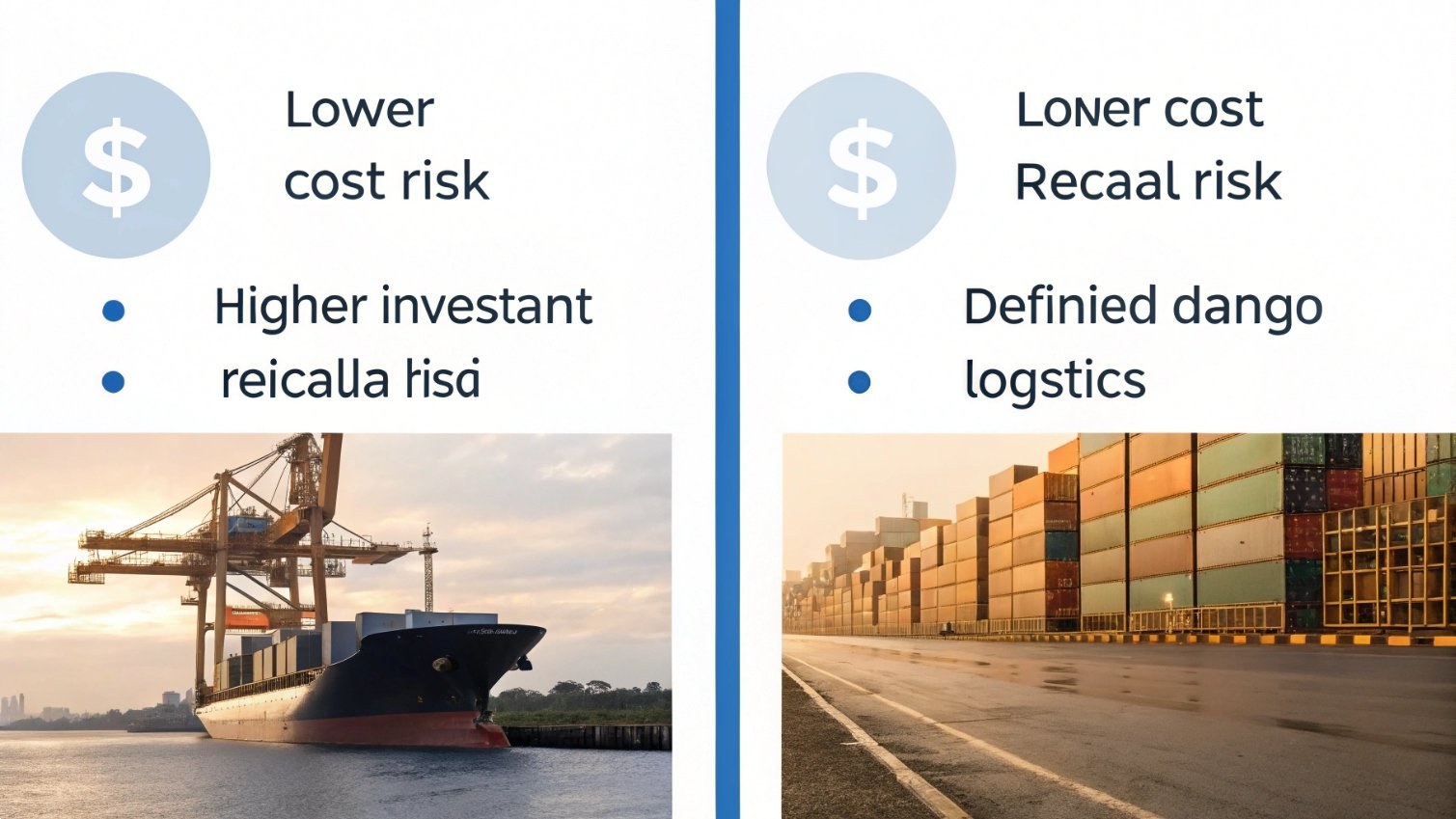
Laminated options generally command a higher initial price due to advanced materials and enhanced manufacturing processes. However, these investments in quality and durability could potentially offer savings over time by reducing product returns and extending shelf life.
Dive Deeper into Cost Considerations
-
Cost Analysis: Laminated EOEs can cost more upfront compared to standard coatings. This is due to the enhanced materials and processes involved in lamination. However, in many cases, the added benefits justify the cost difference.
-
Value Proposition: Despite the initial premium, laminated solutions may result in long-term savings. They protect against product recalls and damages that can occur from less durable coatings, adding value through reduced waste.
-
Competitive Pricing: A detailed comparison with suppliers can often reveal competitive pricing relative to the standard market offerings. Evaluating volume commitments and long-term contracts can offer better pricing terms.
-
Hidden Savings: The cost premium needs to be weighed against potential savings in logistics and branding enhancements 10. Laminates offer robust protection during transport and improved product aesthetics, thereby enhancing consumer confidence and perceived brand value.
Understanding cost implications comprehensively helps in making informed decisions that balance quality improvements with budget constraints.
Conclusion
Laminated solutions for Easy Open Ends offer enhanced scratch resistance and barrier performance, ensuring product safety and durability. By effectively addressing these vital needs, sellers can maintain market position without compromising consumer satisfaction.
Footnotes
1. Wikipedia entry explaining the function and components of Easy Open Ends. ↩︎
2. World Steel Association information on tinplate and TFS for packaging applications. ↩︎
3. Technical overview of PET (polyethylene terephthalate) as a material in packaging. ↩︎
4. Review of innovations in packaging that address retort and hot-fill processing demands. ↩︎
5. Article detailing the use of coatings to improve scratch resistance in packaging. ↩︎
6. Standardized testing methods (ASTM D968) for abrasion resistance of organic coatings. ↩︎
7. Guide to FDA and EU regulations for food contact materials and safety compliance. ↩︎
8. FDA guidance on Bisphenol A non-intent (BPA-NI) in food contact materials. ↩︎
9. Practical tips and resources for performing effective seaming trials on cans. ↩︎
10. Discussion on how packaging quality directly influences brand image and consumer perception. ↩︎