

Importing products like Easy Open Ends can be complicated. I learned early on the importance of understanding landed costs, including duties, port charges, and terminal fees, to avoid unforeseen expenses and ensure profitability.
A comprehensive reference model 1 for estimating landed costs involves systematically breaking down expenses. This model includes product costs, international freight, customs duties, and any additional logistical fees. By utilizing such a method, businesses can more accurately predict their total landed cost and better plan their budgets.
A structured approach to estimating these costs ensures you are well prepared to handle any pricing and logistical challenges in the import process 2. Here’s how you can accurately model your landed costs.
Can I receive a detailed landed cost estimation model for my Easy Open Ends, breaking down duties, port charges, and other import fees to the US?
Understanding every component of the landed cost is crucial. As I navigated through the intricacies of international trade, ensuring transparency in breakdowns of duties, port charges, and import fees became essential for cost-effective decisions.
In a detailed model, each cost component from the supplier’s quote to delivery at your destination is itemized, including tariffs 3, port fees, and brokerage charges. Knowing this breakdown gives you control over expenses and aids in identifying areas for cost optimization.
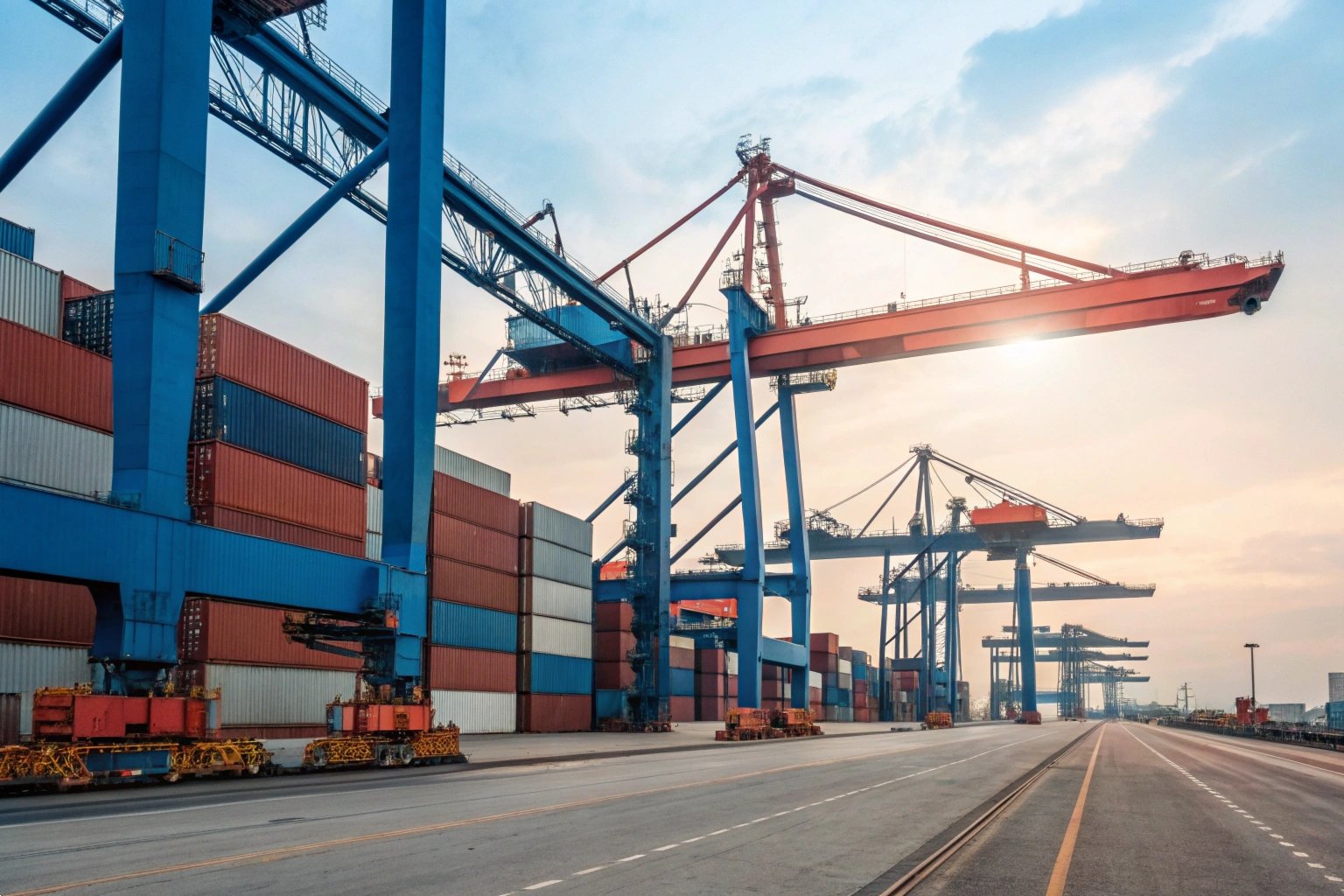
Comprehending the diversity of these charges is vital. They vary widely based on goods’ origin, destination, and transportation mode. Let’s delve deeper into each category and its significance to your overall landed cost estimation 4.
Components of the Landed Cost Model
| Component | Description |
|---|---|
| Product Cost | Base cost from the supplier. |
| International Freight | Cost of transporting goods overseas. |
| Customs Duties | Tariffs imposed by the destination country. |
| Port Charges | Costs incurred at ports for handling goods. |
| Terminal Fees | Charges for container handling at terminals. |
How accurate is your landed cost estimation model for my Easy Open Ends, and what factors might cause deviations?
Ensuring that my landed cost estimation model stays accurate involves understanding the variables that might cause deviations. Regular updates and a clear understanding of market trends make all the difference.
Our model prioritizes accuracy by regularly incorporating current duty rates and operational expenses. However, changes in shipping tariffs 5 or unexpected port delays can affect the final cost. Being aware of these potential deviations allows you to make informed adjustments.

Understanding the forces that lead to cost fluctuations is key. From economic factors to logistical disruptions, multiple elements can drive variance. Here’s a breakdown of what affects cost accuracy 6.
Factors Causing Deviations in Landed Cost
| Factor | Description |
|---|---|
| Duty Rate Changes | Variations in international tariffs. |
| Shipping Cost Variability | Fluctuations in global freight rates. |
| Port Congestion | Increased charges and time delays at ports. |
Can you help me compare the total landed cost of my Easy Open Ends under different Incoterms (e.g., FOB vs. DDP)?
Incoterms determine responsibilities in shipping, which in turn affects landed costs significantly. Learning the nuances of each can positively impact your sourcing strategy and cost management.
By examining Incoterms 7 like FOB (Free on Board) and DDP (Delivered Duty Paid), you can pinpoint cost responsibilities between buyers and sellers. This directly impacts how comprehensive your landed cost approach should be, potentially lowering your bottom line.
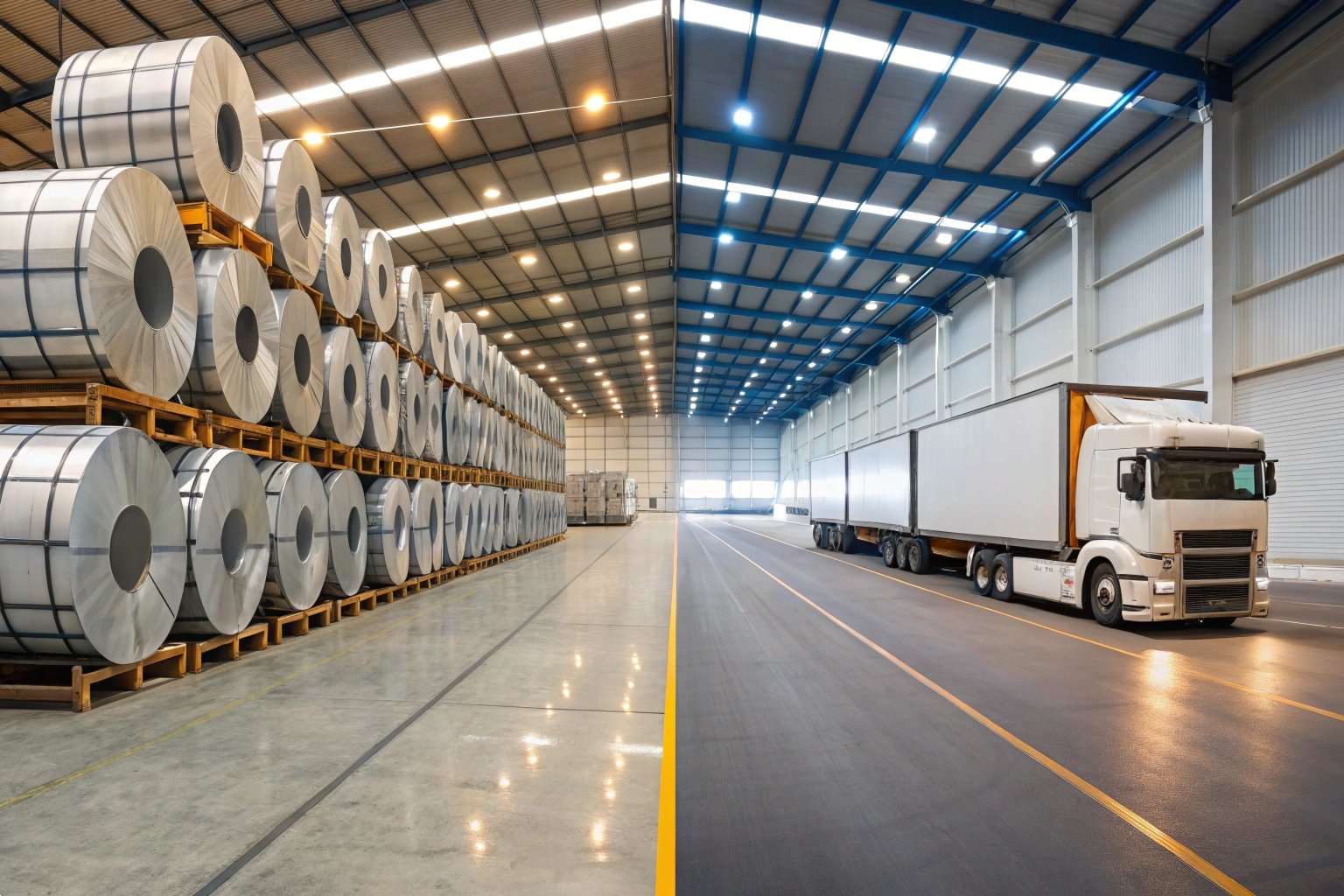
Exploring the keyword differences between these terms helps identify the most cost-effective and least risk options available. Here’s a closer look at the cost distinctions 8 between these Incoterms.
Incoterms Comparison
| Incoterm | Seller Responsibilities | Buyer Responsibilities |
|---|---|---|
| FOB | Goods delivered on board; port charges paid | Everything beyond shipment loading. |
| DDP | Entire journey covered, including duties | Minimal responsibilities once goods are shipped. |
What value-added services do you offer to help me optimize my overall import costs for Easy Open Ends from China?
Value-added services significantly influence cost savings and logistical efficiency. My experience has shown that utilizing specialized services to optimize import processes can vastly improve cost control.
By offering services like freight consolidation 9, customs clearance assistance, and real-time tracking, we minimize excess costs and improve budgeting precision. Such enhancements ensure you maintain quality controls while optimizing your overall costs.

Evaluating the impact of these services on your import plan is vital for strategic growth. Here’s how utilizing additional services can streamline your importations 10 and yield cost benefits.
Value-Added Services
| Service | Benefit |
|---|---|
| Freight Consolidation | Lowers transportation expenses by bundling shipments. |
| Customs Compliance Services | Avoids unexpected duty payments through expert guidance. |
| Supply Chain Visibility | Enhances tracking and control over shipments. |
Conclusion
Navigating the landed cost estimation for Easy Open Ends is crucial for effective financial management. A detailed model encompassing all relevant charges ensures you are equipped with the knowledge to make strategic import decisions confidently.
Footnotes
1. Comprehensive guide to the components that make up total landed costs for businesses. ↩︎
2. Official U.S. Customs guide for understanding the basic requirements of the import process. ↩︎
3. Access the Harmonized Tariff Schedule to determine specific duty rates for imported goods. ↩︎
4. Tool for calculating estimated duties, taxes, and shipping costs for international shipments. ↩︎
5. Resource for understanding various logistics surcharges and international shipping tariffs. ↩︎
6. Best practices for managing supply chain costs and ensuring financial reporting accuracy. ↩︎
7. Official international standards for the interpretation of trade terms in global commerce. ↩︎
8. Detailed comparison of FOB and DDP Incoterms to help importers choose the right strategy. ↩︎
9. Explanation of how freight consolidation reduces costs for small and medium-sized shipments. ↩︎
10. Strategies for optimizing the import workflow to reduce delays and minimize total expenses. ↩︎