

When I think about importing Easy Open Ends 1, it’s crucial to understand the differences between Free On Board (FOB), Cost, Insurance, and Freight (CIF), and Delivered Duty Paid (DDP) trade terms. Each of these options demands careful consideration because it influences both costs and responsibilities. Getting this right could be the key to optimizing my supply chain.
Choosing between FOB, CIF, and DDP depends on who should control freight, customs, and the final delivery stage. FOB transfers responsibility once goods load onto the vessel; CIF adds seller-paid freight and insurance to the destination port; DDP shifts all costs and risks to the seller until the goods are at my doorstep.
Understanding the intricacies of these trade terms 2 helps negotiate effectively with suppliers and prevent unnecessary expenses and stress down the line. Let’s delve into each term and discover how they might accommodate my trade needs.
Can you provide a clear breakdown of costs and responsibilities for my Easy Open Ends under FOB, CIF, and DDP Incoterms?
When dealing with international shipments, the Incoterms 3 govern the transfer of risk and cost from the seller to the buyer. This clarity is essential for managing logistics effectively. I need to evaluate these terms to understand where responsibilities lie and how they impact my budget.
These terms divide costs and responsibilities at specific transition points. With FOB, 4 the seller’s duties end once the goods are on board the vessel in China. For CIF, the seller covers freight and insurance to the port of destination, although risk transfers at loading. DDP involves the seller managing all aspects, including import duties, until the product arrives at my designated location.
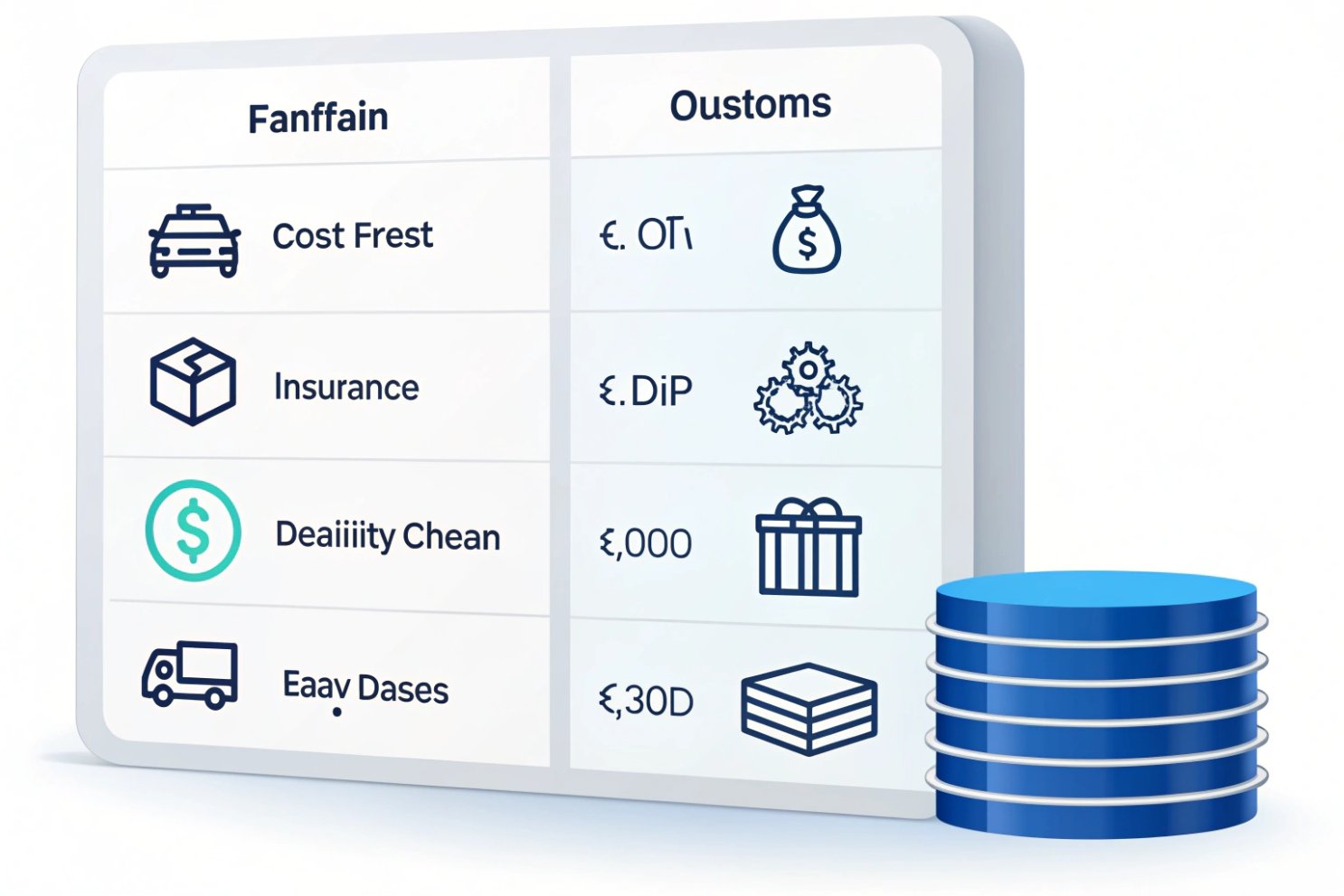
Here’s a simplified breakdown of these responsibilities:
| Aspect / Cost item | FOB: Port Loading | CIF: Destination Port | DDP: Final Destination |
|---|---|---|---|
| Export Handling | Seller Handles | Seller Handles | Seller Handles |
| Ocean Freight | Buyer Covers | Seller Covers | Seller Covers |
| Insurance | Optional for Buyer | Min. Covered by Seller | Typically Seller’s Cost |
| Import Duties and Taxes | Buyer Pays | Buyer Pays | Seller Pays |
| Final Delivery | Buyer Handles | Buyer Handles | Seller Handles |
A complete understanding of each term’s nuance can optimize logistics processes, saving both time and money.
Which trade term do you recommend for my Easy Open Ends to optimize my landed cost and manage import risks to the US?
Trade terms are complex, and knowing which one aligns with my business needs is challenging. Optimizing landed cost 5 means reducing unnecessary expenses and mitigating risk efficiently. This is critical in maintaining a healthy bottom line while managing the unpredictable nature of imports.
To optimize landed cost and manage risks, FOB could offer better control over shipping and potential cost savings, especially if I have reliable logistics partners 6. On the other hand, CIF includes insurance and better cost predictability to the destination port, which could be advantageous. DDP, however, ensures a seamless delivery experience with the seller handling all import duties and potential headaches.

Several factors could influence the choice:
- FOB Advantage: More control, possibly reduced costs.
- CIF Flexibility: Pre-paid freight and insurance assure some predictability.
- DDP Convenience: Comprehensive seller responsibility until delivery.
Analyzing my internal capabilities and the supplier’s strengths helps identify the best trade-off between cost efficiency and operational simplicity.
How do you manage the logistics and documentation for my Easy Open Ends under DDP terms, including customs clearance and duties in the US?
Logistics can be daunting with abundant paperwork and regulations to follow. Partnering with someone experienced ensures compliance and smooth operations 7. It’s crucial to rely on experts for documentation to avoid pitfalls and unnecessary hurdles.
Under DDP, the seamless handling of logistics is vital. The seller is responsible for every aspect, from manufacturing to delivery, including export/import documentation 8 and compliance. But understanding this process enhances transparency and trust, ensuring all due diligence is performed timely and efficiently.
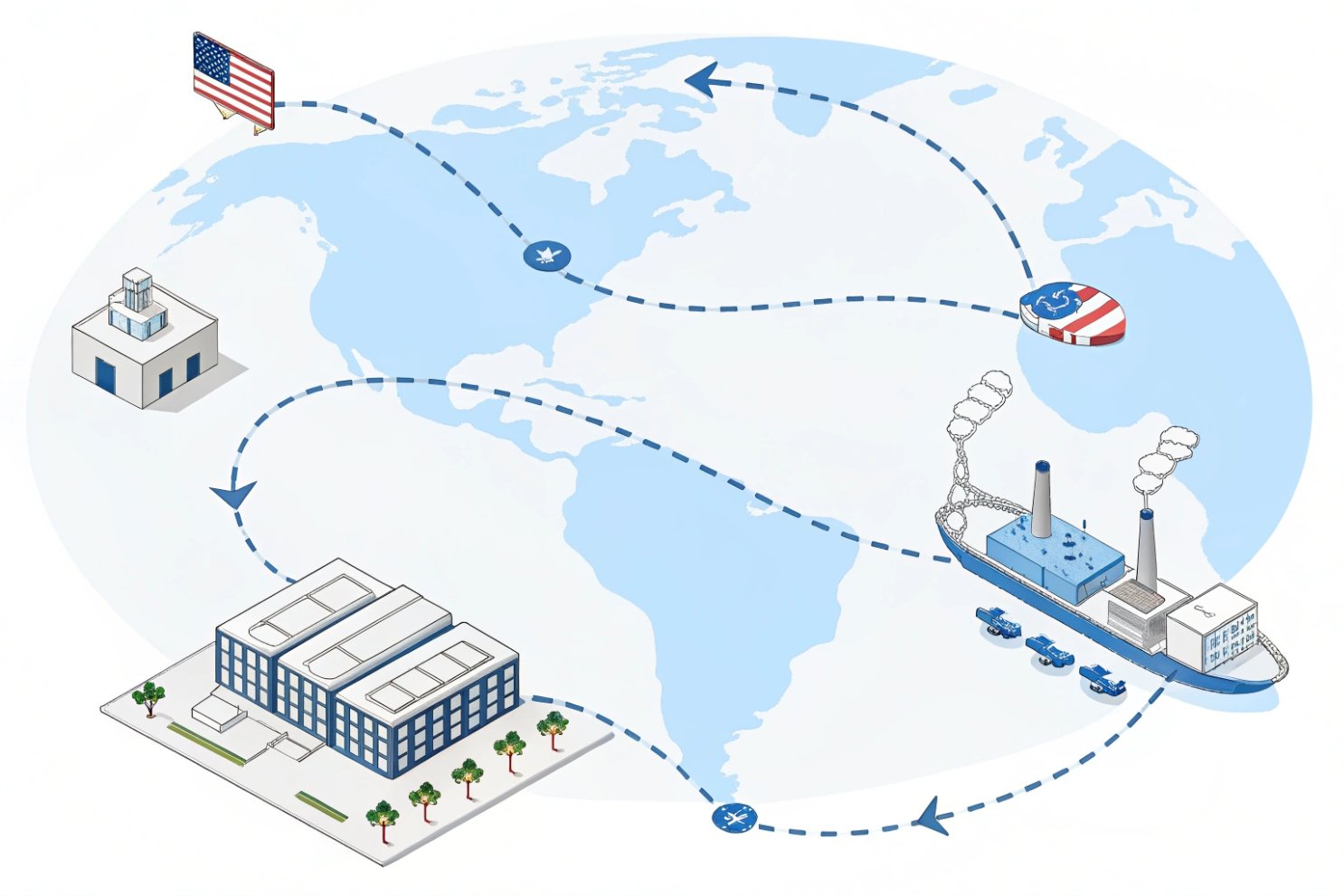
Key DDP Aspects:
- Managing Compliance: Ensuring every regulation is adhered to without delay.
- Customs Clearance: 9 Navigating complex procedures smoothly.
- Handling Duties and Taxes: Preventing surprises by covering obligations upfront.
Partnering with firms experienced in the US trade terrain amplifies effectiveness and ensures a successful end-to-end delivery solution 10 under DDP terms.
Can I get a transparent overview of all associated fees, such as port charges and terminal fees, for my Easy Open Ends under different trade terms?
Understanding fees is necessary to manage expenses effectively. Transparency in costs like port charges and terminal fees often determine overall affordability. Clarifying this before shipments start helps set accurate expectations.
A transparent overview of fees under different trade terms allows informed decision-making. Here’s a framework to consider when assessing charges:
| Cost Element | FOB | CIF | DDP |
|---|---|---|---|
| Packing and Handling | Included in Price | Included in Price | Included in Price |
| Freight Cost | Buyer’s Charge | Seller’s Charge | Seller’s Charge |
| Insurance | Buyer’s Discretion | Seller’s Obligation | Seller’s Discretion |
| Customs and Port Fees | Buyer’s Responsibility | Buyer’s Responsibility | Seller’s Responsibility |
| Final Delivery and Duties | Buyer Pays | Buyer Pays | Seller Covers |
Such transparency sets the ground for making smart, cost-effective choices that align with business goals.
Conclusion
In choosing the right trade terms, balancing control, cost, and convenience is key, with FOB, CIF, and DDP offering various trade-offs.
Footnotes
1. See details on the manufacturing and specifications of Easy Open Ends for packaging. ↩︎
2. Comprehensive guide detailing the full scope and responsibilities of Incoterms. ↩︎
3. Official rules published by the International Chamber of Commerce (ICC) for trade terms. ↩︎
4. In-depth explanation of Free On Board (FOB) and its cost transfer point. ↩︎
5. Learn strategies for optimizing the total landed cost of imported goods. ↩︎
6. Tips and criteria for selecting effective and reliable logistics partners for imports. ↩︎
7. Best practices for ensuring regulatory compliance in international imports and trade. ↩︎
8. A checklist of necessary export and import documentation for DDP shipments. ↩︎
9. Overview of the steps and requirements for US Customs clearance procedures. ↩︎
10. Information on specialized end-to-end delivery services under DDP agreements. ↩︎