

The increasing demand for sustainability in packaging solutions 1 pushes companies to adopt transparent and impactful environmental practices. My focus is on ensuring that these initiatives are genuine and not just superficial claims.
Implementing sustainable practices is essential for the credibility and functionality of Easy Open Ends (EOEs). We ensure that our production processes align with stringent environmental standards. Our disclosure of carbon and energy consumption helps validate our commitment and invites stakeholders to verify through real data.
Staying on top of sustainable technologies and methods is crucial. This ensures not only compliance but also reinforces our dedication to conservation and efficiency. Let’s explore how these efforts align with global standards and what measurable impacts they have.
What specific sustainable practices do you implement in the manufacturing of my Easy Open Ends, and how do they align with global environmental standards?
The roadmap to sustainability isn’t just about cutting-edge technology; it’s also about smart resource management and genuine impact reduction. In my experience, effective sustainable practices go beyond compliance—they drive innovation.
Manufacturing processes for EOEs actively integrate eco-friendly practices that adhere to global environmental standards 2. For instance, high-speed presses and waste-heat recovery systems 3 drastically reduce energy usage, while closed-loop recycling 4 maximizes material efficiency.
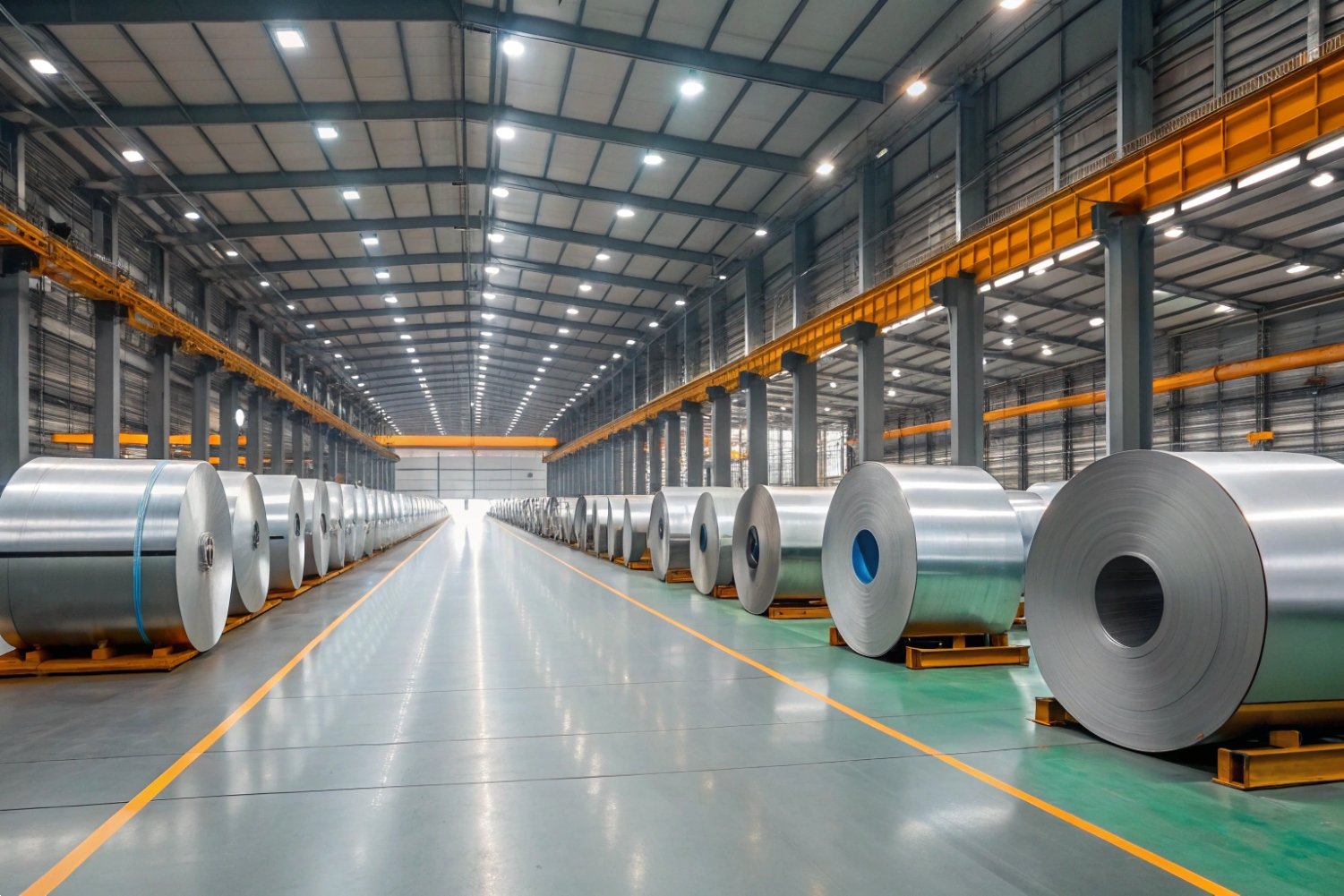
To achieve sustainability, manufacturers implement rigorous processes that minimize environmental impact. These measures align with international standards like ISO 14001 5, showcasing their commitment to sustainability.
Sustainable Practices in EOE Manufacturing
| Practice | Environmental Benefit | Standard Alignment |
|---|---|---|
| Efficient Motor Systems | Reduced energy consumption | ISO 50001 |
| Waste-Heat Recovery | Lowered emissions | EU Industrial Emissions Directive |
| Closed-Loop Recycling | Maximized resource use | Supports Circular Economy Goals |
These practices ensure that manufacturing impacts are continually minimized. They not only meet regulatory needs but also reinforce overall sustainability objectives.
Transparency in environmental data isn’t just about numbers; it’s about trust and accountability. I always urge brands to seek this data for informed decision-making.
While not all manufacturers fully disclose product-level environmental data, there is an industry push for stronger transparency. Increasing pressure from global regulations and major buyers makes detailed carbon footprint 6 and energy consumption data 7 more accessible.

Manufacturers are using tools like Life Cycle Assessments (LCA) 8 to provide valuable insights into their environmental impact. This data is essential for comprehensive sustainability reporting.
Carbon and Energy Disclosure
| Type of Data | Details Provided | Methodology Utilized |
|---|---|---|
| Carbon Footprint | Cradle-to-gate CO₂ emissions | ISO 14067, GHG Protocol |
| Energy Consumption | Annual requirement per product unit | Real-time Monitoring and Energy Audits |
| Third-Party Certifications | Verified LCAs or EPDs available | Conducted by Independent Bodies |
These disclosures enable clients to verify eco-friendly claims, integrating these metrics into broader sustainability strategies.
How do your Easy Open Ends contribute to my brand’s environmental reporting, especially regarding recyclability and resource efficiency?
Sustainability extends across product lifecycles, strengthening brand reputation. It’s fascinating how EOEs can significantly boost ecological transitions just by their design and material.
EOEs are inherently sustainable due to their recyclability 9 and minimal resource demands. Their efficient production processes and long shelf-life contribute to positive environmental reporting for brands.

These aspects of EOEs enhance sustainability narratives, aligning with consumer expectations and legal requirements. This makes them a valuable asset for ambitious environmental strategies 10.
Key Contributions to Environmental Reporting
| Aspect | Contribution to Sustainability | Reporting Enhancement |
|---|---|---|
| 100% Recyclability | Repeated use without degradation | Offers a strong sustainability narrative |
| Material Efficiency | Uses less raw material | Lowers environmental impact |
| Aligned Production Practices | Meets or exceeds global standards | Enhances compliance and consumer trust |
These components bolster a brand’s green credentials, ensuring all stakeholders recognize their sustainability efforts.
Are there any cost implications for sourcing Easy Open Ends produced with enhanced sustainable practices or requiring specific environmental certifications?
While sustainability often implies higher costs, the value it brings balances those expenses. My discussions often revolve around how these investments pay off in brand equity and consumer trust.
Although sustainable manufacturing may incur initial costs, efficiency gains and regulatory compliance frequently offset these expenses. As a result, sourcing EOEs aligns with sustainable practices an economically viable choice.
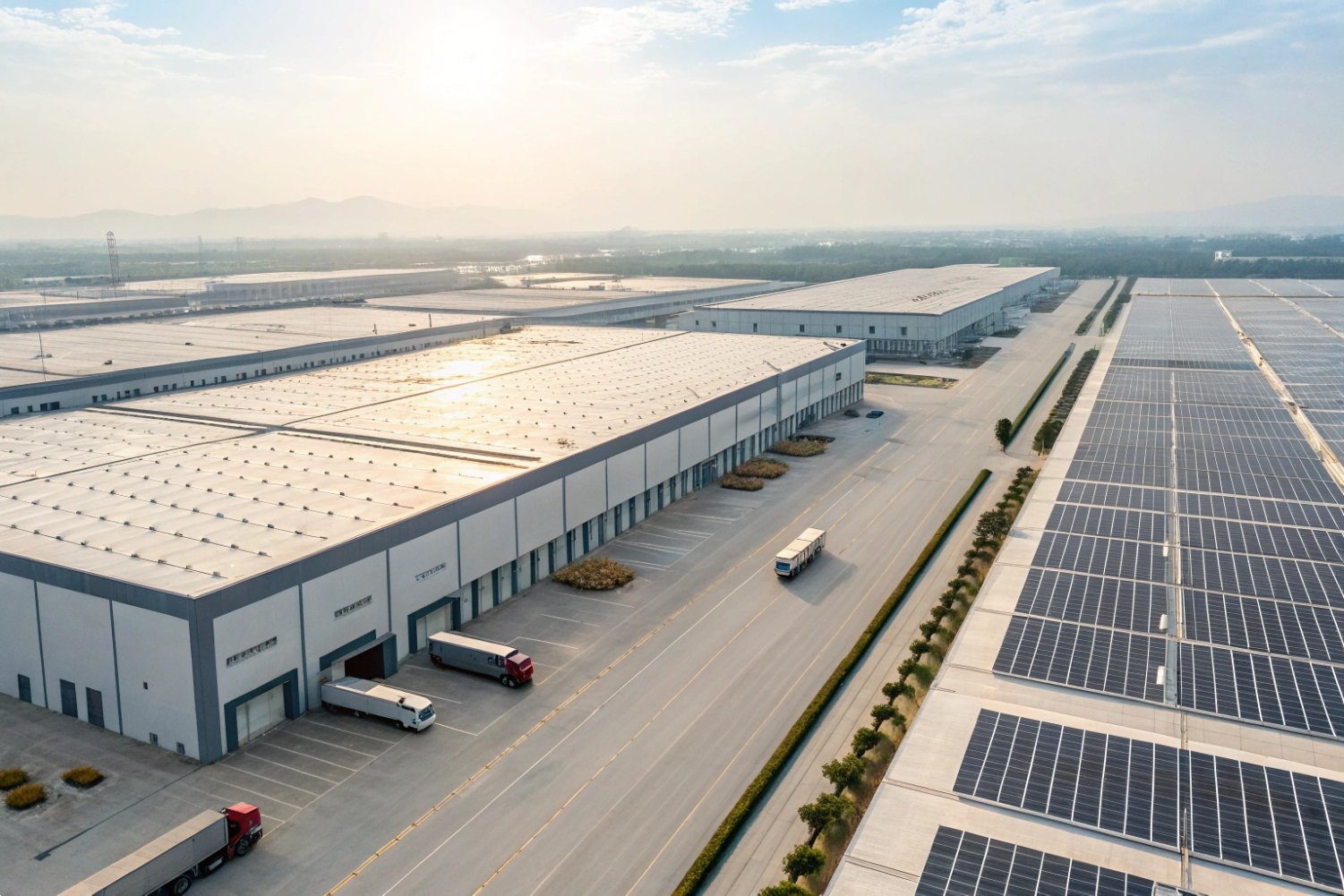
Ultimately, the cost implications are context-dependent. However, sustainable practices often foster cost-efficiency over time by reducing waste and energy consumption.
Cost Benefits of Sustainable Sourcing
| Factors Contributing to Costs | Economic Implications | Long-Term Financial Benefits |
|---|---|---|
| Enhanced Efficiency | Potentially higher initial costs | Lower operational costs through resource savings |
| Regulatory Compliance | Mitigates risk of legal penalties | Protects brand reputation and avoids fines |
| Market Differentiation | Increased upfront investment | Builds brand equity and consumer loyalty |
By progressively adopting these practices, brands not only align with global sustainability trends but also secure long-term economic advantages.
Conclusion
Incorporating sustainable practices into the production of Easy Open Ends not only meets regulatory expectations but also offers significant benefits for brand integrity and environmental performance. Aligning with eco-friendly manufacturers ensures better compliance, transparency, and efficiency, paving the way for a sustainable future.
Footnotes
1. Explore modern packaging solutions that prioritize environmental protection and functionality. ↩︎
2. Overview of the international standards used to manage environmental responsibilities. ↩︎
3. Learn how waste-heat recovery captures heat to improve industrial energy efficiency. ↩︎
4. Guide to circular economy principles aimed at eliminating waste and pollution. ↩︎
5. Official standard for environmental management systems to enhance performance. ↩︎
6. Learn how to calculate and reduce the total greenhouse gas emissions of products. ↩︎
7. Analysis of global trends and data regarding industrial energy consumption and efficiency. ↩︎
8. Introduction to evaluating the environmental impact of a product throughout its lifecycle. ↩︎
9. Detailed information on the recyclability and sustainability of aluminum materials. ↩︎
10. Strategic frameworks for addressing global environmental challenges and sustainability. ↩︎