
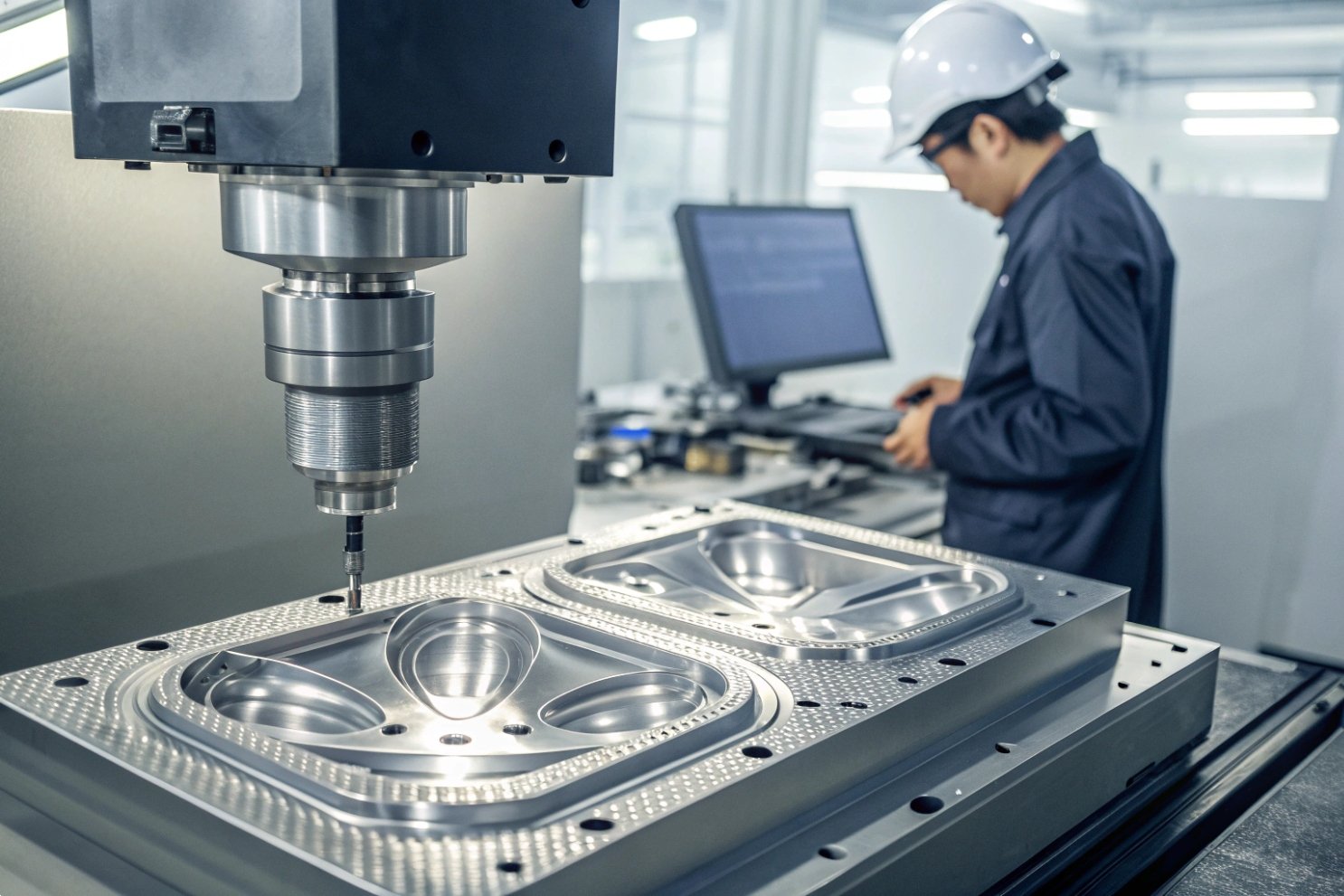
In the world of packaging, developing new molds for Easy Open Ends 1 can be costly and time-consuming. I often grapple with hidden expenses and unclear timelines, but insights into these areas can relieve much of the stress.
New mold development for Easy Open Ends incurs costs ranging from $1,000 to $100,000, depending on factors like complexity, cavity count, and material choice. Lead times often vary, with estimates between 4 to 8 weeks. Ownership is determined by contract specifics, where financing usually equates to ownership rights, barring any manufacturer restrictions.
Understanding these aspects will help in planning your production and ensuring a smooth workflow.
Can You Provide a Detailed Breakdown of the Costs Associated with New Mold Development for My Custom Easy Open Ends, Including Design and Manufacturing?
Grasping the detailed costs of new mold development is crucial to avoid unpleasant surprises. I’ve found that understanding each expense allows me to mitigate unexpected charges.
A typical cost breakdown for new mold development includes design fees, manufacturing charges, and material costs. Simple molds may range between $1,000 and $5,000, while complex steel molds could soar to $25,000-$100,000, incorporating additional features or multiple cavities for high-volume production.
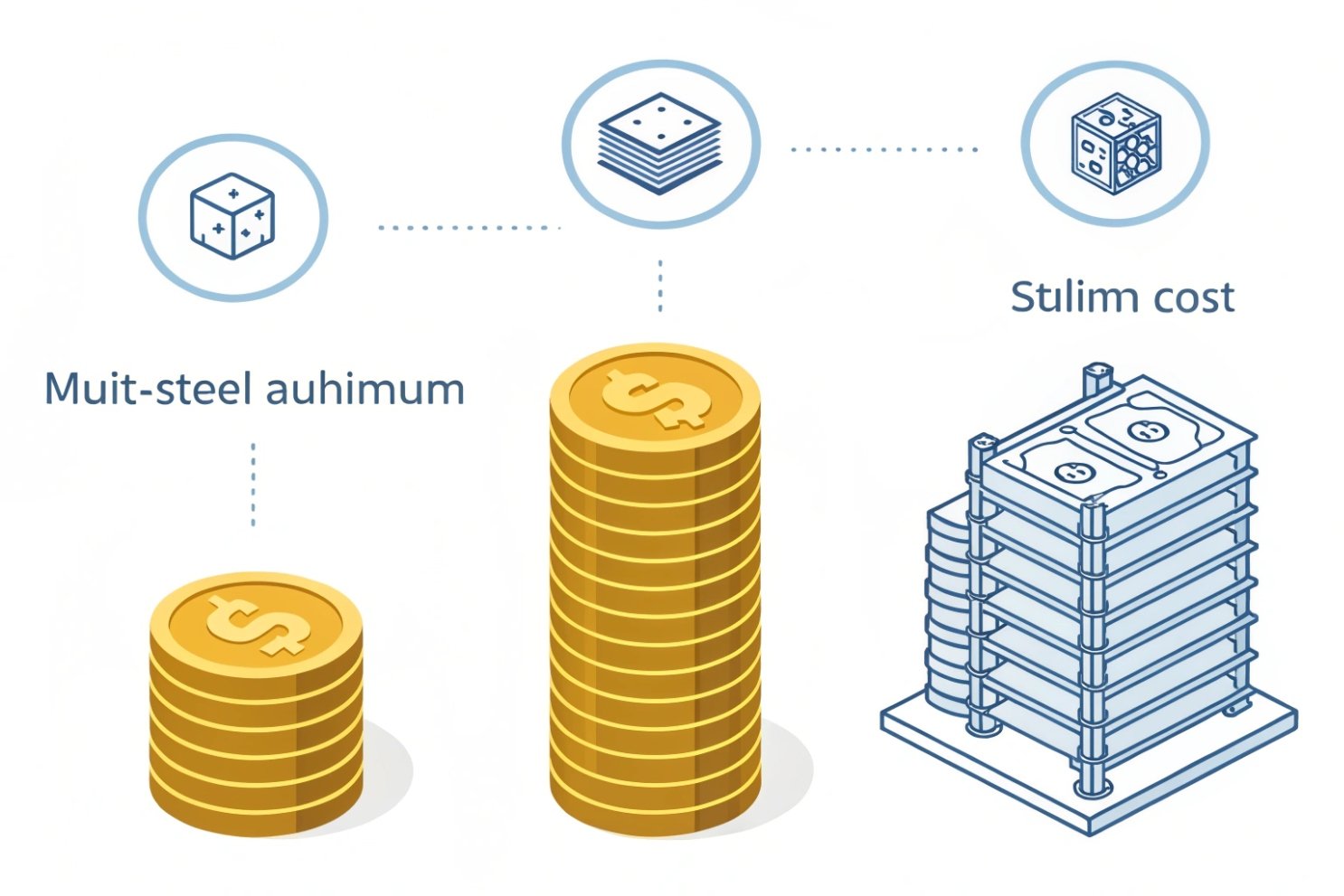
When diving deeper into mold development costs, several factors play critical roles:
Design Fees
- Initial Design Consultation: Typically between $500 and $1,500, depending on complexity.
- CAD Modeling: Costs about $1,000-$3,000, again influenced by complexity.
Manufacturing Charges
- Material Selection: The choice between aluminum and hardened steel 2 significantly affects pricing. Aluminum molds, while cheaper, lack the durability of steel molds meant for prolonged use.
- Cavity Count: Single-cavity molds suffice for low-volume production, whereas multi-cavity molds 3 escalate costs due to their ability to speed up production.
Material Costs
| Material Type | Average Cost Range | Durability |
|---|---|---|
| Aluminum | $1,000 – $5,000 | Short lifespan |
| Hardened Steel | $25,000 – $100,000+ | Extended lifespan |
These elements help create a comprehensive understanding of where your money is going, thus enabling better budget planning.
What Is the Typical Lead Time for New Mold Development and the First Production Run of My Custom Easy Open Ends from Your China Facility?
Planning manufacturing schedules without accurate lead times 4 is often overwhelming. Having clear timelines helps me align production with demand swiftly.
Typical lead times for mold development range from 4 to 8 weeks, subject to the part’s complexity and required approvals. Rapid prototyping can cut this down to around 10–15 days, whereas intricate designs may stretch to 20 weeks.

Lead time involves several stages:
Initial Prototyping
- Basic Prototyping: Generally takes about 1-2 weeks, providing a quick validation of design feasibility.
- Bridge Tooling: Offers a middle-ground solution, with an average of 10-15 days for simpler designs.
Design and Approval
| Process | Typical Duration |
|---|---|
| Design Finalization | 1-3 Weeks |
| Approval Stages | 2-3 Weeks |
Manufacturing and Testing
Key considerations here include selecting processes which align with design specifications, ensuring thorough testing for quality assurance 5. Transition to production takes an additional 2-3 weeks.
How Do You Handle Intellectual Property and Mold Ownership Agreements for My Exclusive Easy Open Ends Designs?
Intellectual Property (IP) concerns 6 are rampant during mold negotiations. I’ve learned that clear agreements safeguard my interests.
IP and mold ownership are governed by contract specifics. Typically, financing the mold entitles the purchaser to ownership rights. However, contracts might stipulate retained rights by the manufacturer or restrict relocation of the mold without consent.

Mold ownership involves various components:
Contractual Agreements
- Purchase Contracts: Clearly outline that financing equates to ownership, preventing any disputes.
- Ownership Documentation: Must include title blocks, blueprints, and financial rights 7.
Manufacturer Clauses
| Aspect | Consideration |
|---|---|
| Payment Terms | Full settlement for clear transfer of ownership. |
| Factory Limitations | Some agreements restrict moving molds without manufacturer approval 8. |
Ensuring transparent terms in your contracts is paramount in protecting your investment and maximizing mold utility 9.
Do You Offer DFM (Design for Manufacturability) Support to Optimize My Easy Open Ends Designs for Moldability and Cost Efficiency?
Design for Manufacturability (DFM) 10 can vastly streamline production efforts. Having robust DFM support eases the process and improves cost efficiency in mold design.
Yes, we do offer DFM support to enhance moldability and cost efficiency for your Easy Open Ends designs. Our team works closely with you to refine designs, ensuring optimal functionality and economic viability.
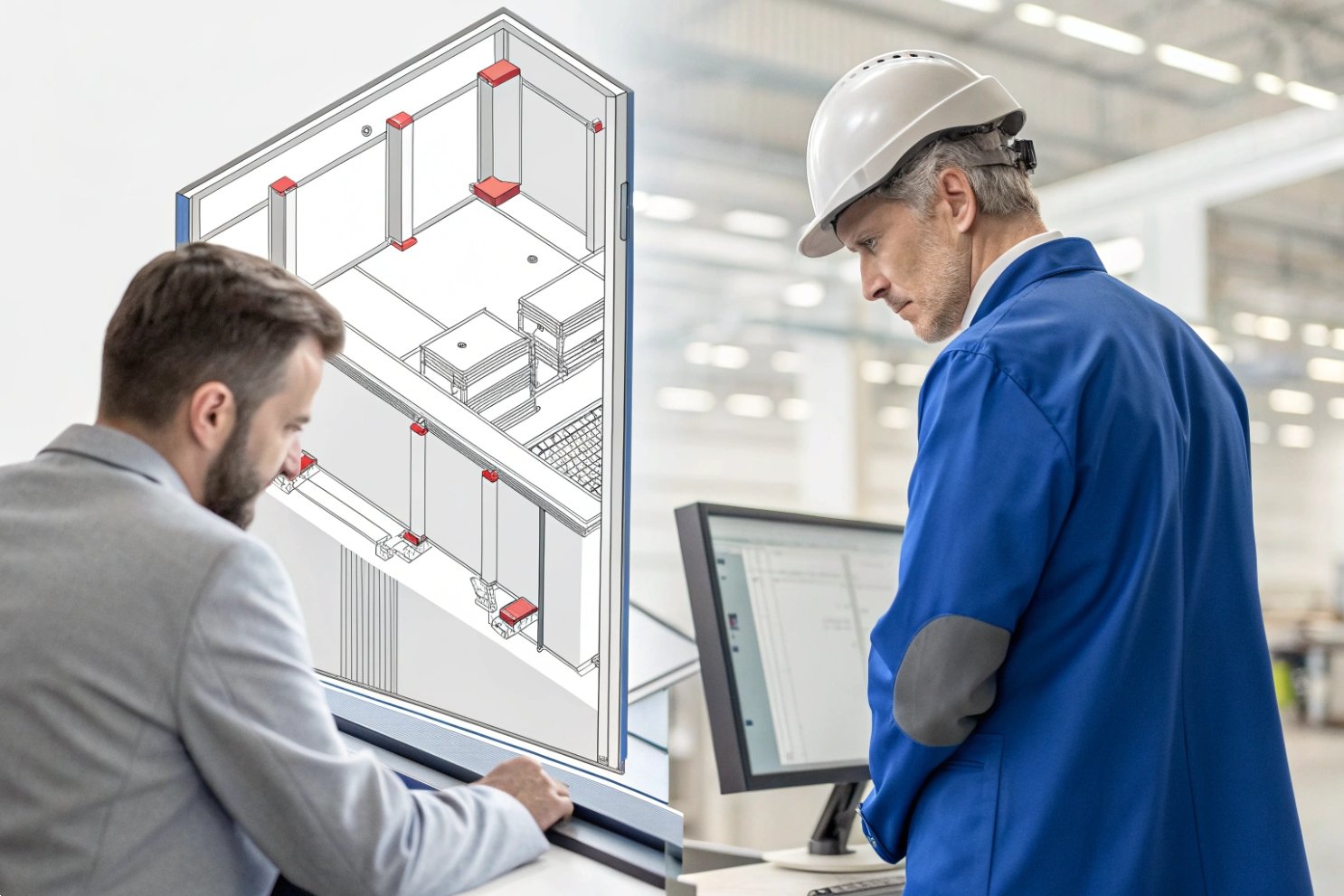
Let’s explore the benefits of DFM:
Design Optimization
- Functionality Checks: Ensures every design aspect contributes to overall efficiency.
- Material Selection: Assesses material choices aligned with durability and cost factors.
Cost Efficiency
| Optimization Aspect | Description |
|---|---|
| Design Simplification | Reducing complexity lowers manufacturing costs. |
| Process Integration | Combining processes saves production time and expenses. |
Overall, embracing DFM for your designs aids in achieving a balance between effectiveness and affordability, facilitating seamless production.
Conclusion
Understanding the intricacies of mold development costs, lead times, and ownership terms provides substantial control over your packaging projects. Clarity in these areas forms the foundation for efficient production planning.
Footnotes
1. Read more about the design and function of Easy Open Ends in packaging. ↩︎
2. Compare the differences between aluminum and hardened steel for mold material selection. ↩︎
3. Explore how multi-cavity molds increase production speed and efficiency. ↩︎
4. Understand the definition and importance of lead time in manufacturing and supply chain management. ↩︎
5. Learn about the principles and practices of testing for quality assurance in production. ↩︎
6. Introduction to Intellectual Property (IP) and its role in protecting designs and inventions. ↩︎
7. Guide on essential documentation, like blueprints and financial rights, within supply chain contracts. ↩︎
8. Overview of the tool and die process, including common restrictions set by manufacturers. ↩︎
9. Information on mold maintenance and maximizing the lifespan and utility of your investment. ↩︎
10. Detailed explanation of Design for Manufacturability (DFM) and its benefits for cost optimization. ↩︎.