

When creating print files for Easy Open Ends 1, understanding specifications is key. I initially found this challenging, but it’s crucial for quality production.
Specifications include using CMYK color space, a line screen of 175-200 LPI, and a minimum font height of 4 points with trapping tolerance adjustments from 0.05mm to 0.1mm. CMYK is mandatory for consistent color, and the line screen ensures clarity.
Understanding and applying these ensures precision and quality 2 in your production runs.
Can you provide a detailed English guide for preparing my print files, outlining specific requirements for color space, resolution, and font sizes for Easy Open Ends?
Understanding print file preparation details 3 can be overwhelming. I remember my initial struggles with conforming files to meet specific standards.
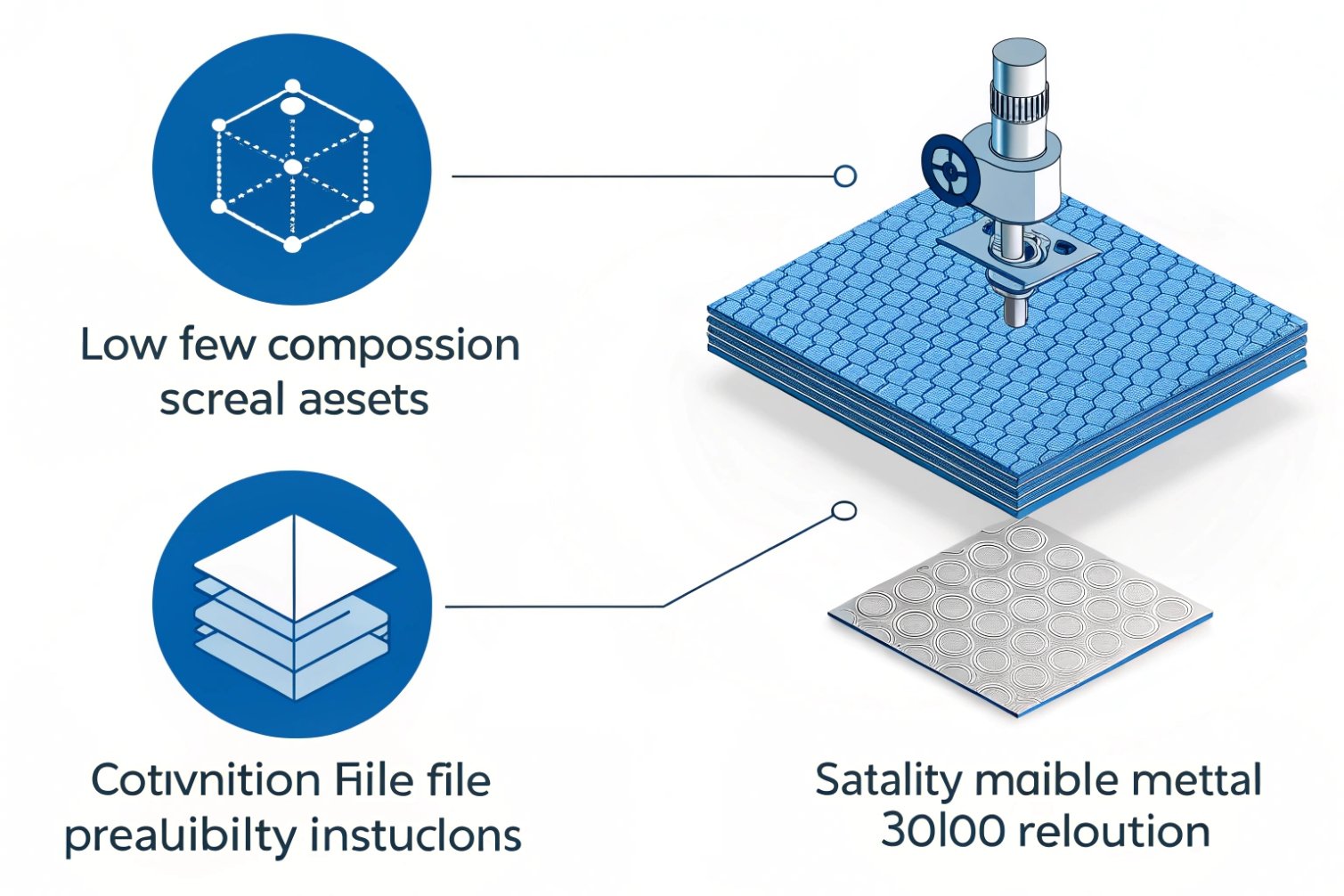
Prepare files in CMYK color space at a minimum resolution of 300 DPI. Fonts should be a minimum of 4 points and converted to outlines for stability. Adhering to these requirements ensures no pixelation and maintains text clarity.
| Specification | Requirement |
|---|---|
| Color Space | CMYK 4 |
| Resolution | 300 DPI minimum |
| Minimum Font Size | 4 points, convert to outlines |
| Line Screen | 175-200 LPI |
| Trapping Tolerance | 0.05mm to 0.1mm |
This table serves as a concise reference for preparing effective print files 5.
How do your printing processes and quality control ensure accurate reproduction of my artwork on Easy Open Ends, adhering to these specifications?
Ensuring accurate reproduction is crucial 6. I’ve always valued understanding how quality control measures are implemented and maintained.
Our high-precision lithographic printing uses meticulous proofs and quality checks. Quality control includes thorough inspections post-print, ensuring alignment with specs, crucial for consistent production cycles.

| Quality Control Aspect | Method |
|---|---|
| Proofs | Digital and Hardcopy |
| Inspections | Manual Checks 7 |
| Color Standards | CMYK Adherence |
| Registration | Tight Tolerances |
This highlights how various quality control stages 8 ensure fidelity in final products.
What is your typical turnaround time for proofing and approval of my Easy Open Ends print designs?
Timely proof approvals are crucial to meet production deadlines and schedules 9.
Typically, proofing and approval take 3 to 5 business days. This duration accommodates comprehensive reviews and aligns all elements with specified guidelines.
| Process Step | Typical Time (Days) |
|---|---|
| Initial Proofs | 2-3 |
| Revisions | 1-2 |
| Final Approval | 1 |
Understanding this timeline helps ensure smooth production planning 10.
Are there any cost implications for deviations from your standard print file specifications for my Easy Open Ends?
Handling cost implications of deviations is critical in managing budgets.
Deviations can lead to added costs due to extra manual adjustments, color corrections, and potential reworking. Sticking to standards is advisable to minimize these costs while maintaining efficiency and quality.
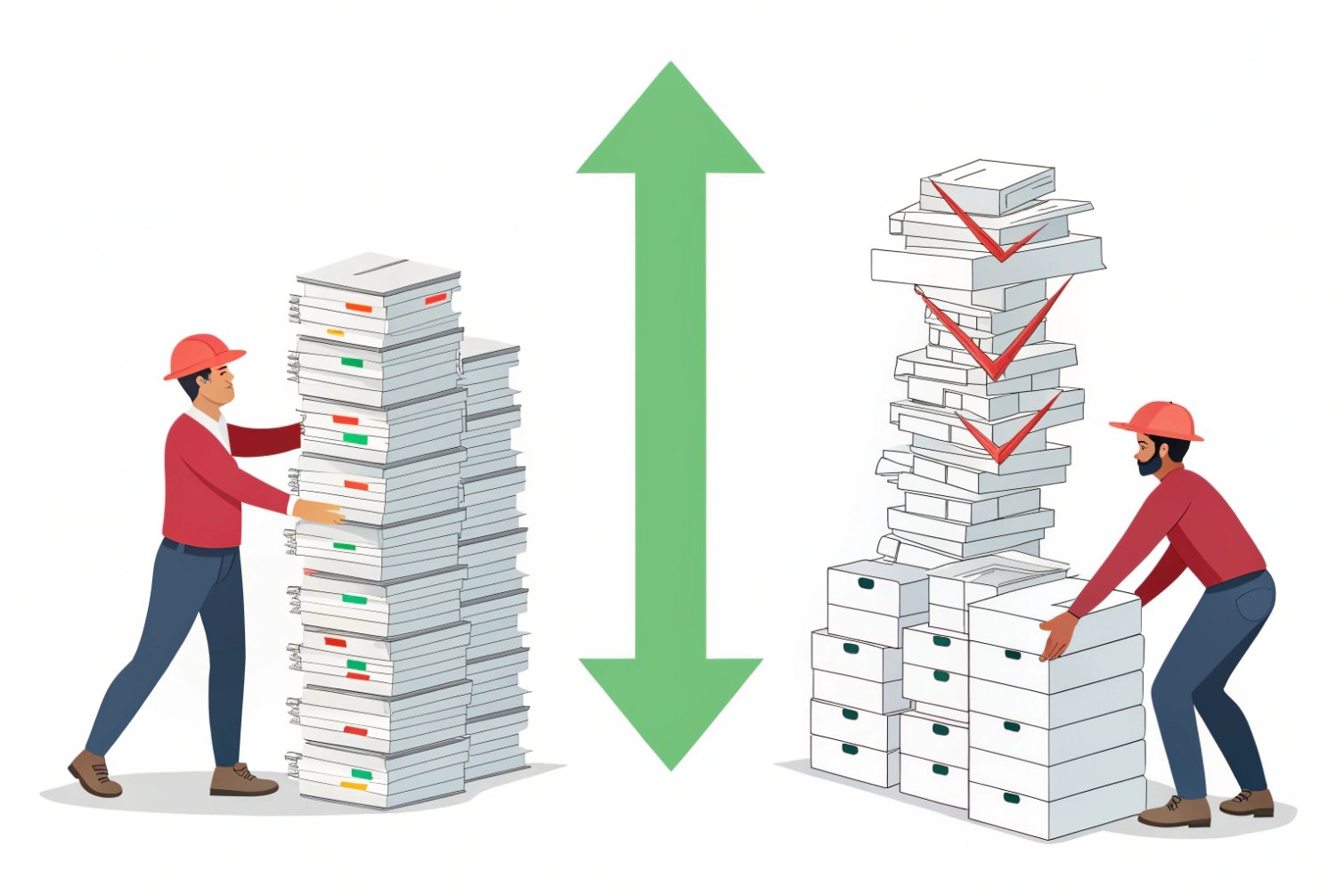
This understanding aids in avoiding unnecessary costs and maintaining financial and production efficiency.
Conclusion
Maintaining adherence to specifications is essential for ensuring print quality and production efficiency, protecting both the visual appeal and budget.
Footnotes
1. Learn the essential steps for creating a file that is ready for commercial printing. ↩︎
2. Understand how improving manufacturing accuracy and precision leads to better final products. ↩︎
3. Detailed guide from Adobe on preparing your design files specifically for professional printing. ↩︎
4. Explore the fundamentals and usage of the CMYK color model in the context of printing. ↩︎
5. Article explaining why using high-resolution images is critical for achieving sharp print quality. ↩︎
6. Guide on color management best practices for consistent and accurate color reproduction in print. ↩︎
7. Discusses the significance of visual inspection as a fundamental method in quality control processes. ↩︎
8. Explains the various stages and typical activities involved in a comprehensive quality control system. ↩︎
9. Tips and strategies for effective management of production deadlines and schedules in a business environment. ↩︎
10. Definition and importance of production planning, including its role in manufacturing operations. ↩︎