
Opening paragraph:
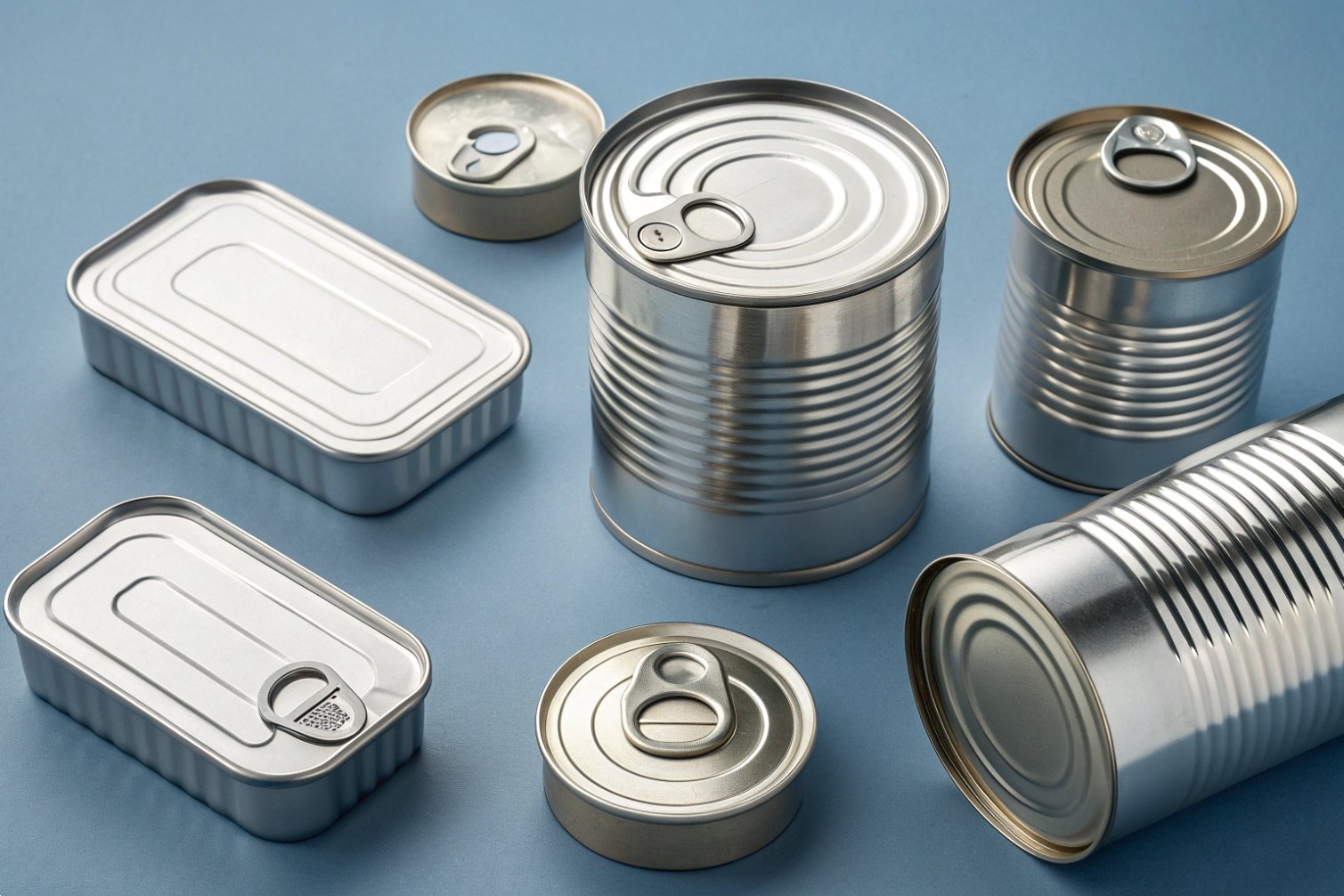
It’s crucial for our packaging to accommodate various shapes like square and irregular cans to ensure functionality and efficiency.
Featured paragraph:
Customized Easy Open Ends support square and irregular shapes such as 304, 311 1/4 Club, and 902 Hansa. Advanced manufacturing techniques allow for custom dimensions and shapes tailored to unique packaging needs, making sure the sealing performance is uncompromised.
Transition paragraph:
Exploring the possibilities in shape customization demands understanding both theoretical capabilities and practical limitations.
What are the technical capabilities and design limitations for customizing Easy Open Ends to my specific square or irregular can shapes?
Opening paragraph:
To guarantee innovative design and meet exact specifications, knowing the capability limits in customization is paramount.
Featured paragraph:
Technical capabilities for customizing Easy Open Ends include the ability to produce various shapes while ensuring strict adherence to quality and functionality. Design limitations typically revolve around production scale and material constraints.
Dive deeper paragraph:
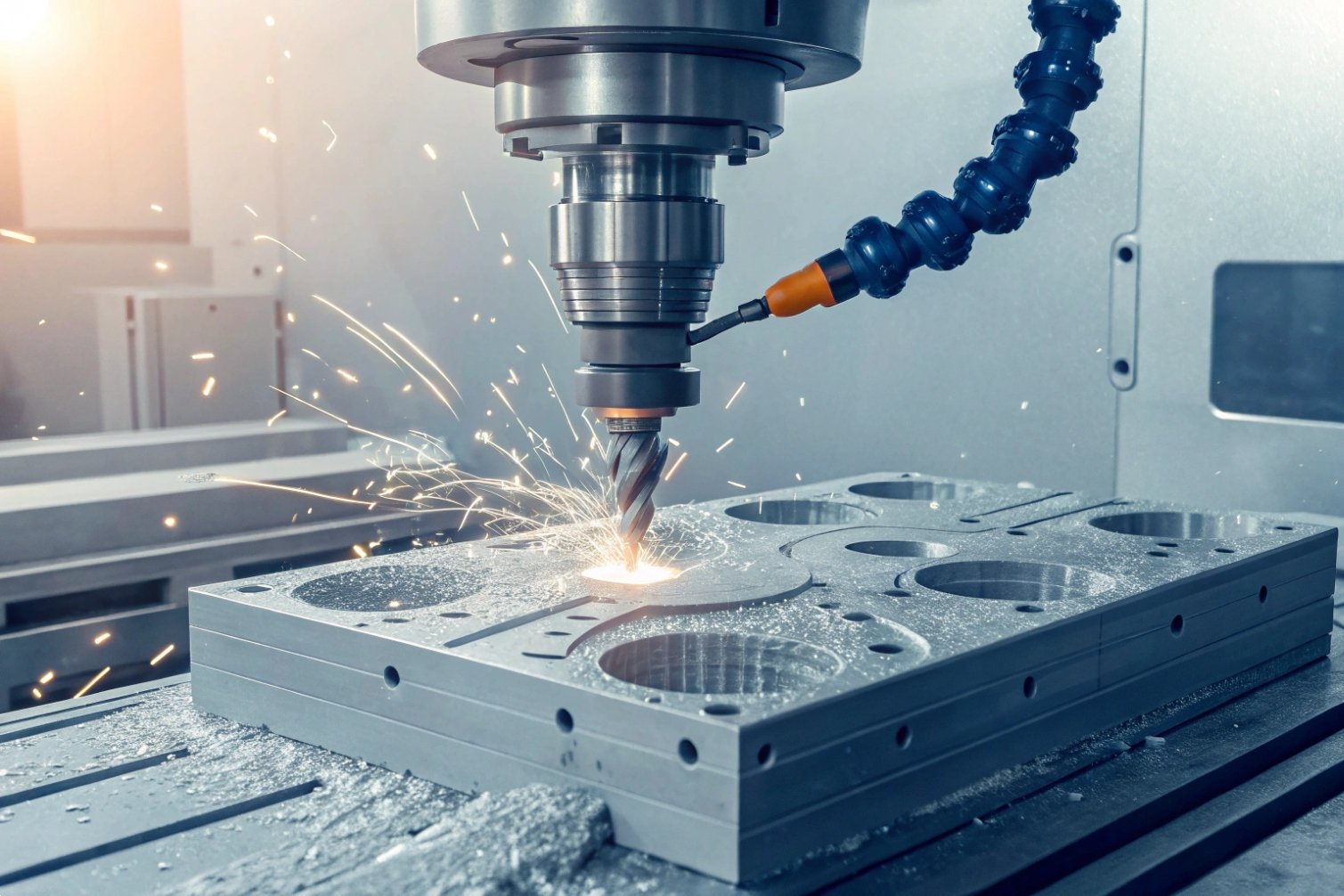
Different Easy Open Ends manufacturers 1 utilize diverse technologies and materials to cater to custom designs. Here lies an overview of the key capabilities and limitations:
Manufacturing Technologies and Materials
- Tinplate and Aluminum: These materials offer flexibility and strength 2, suitable for irregular and square shapes.
- Advanced Tooling: High-precision tools aid in achieving complex shapes without compromising functionality.
Limitations in Production
- Scale: Small batch production 3 may face challenges in time and cost-efficiency due to tooling and setup expenses.
- Material Constraints: Depending on the shape, material thickness might impact seal strength and durability.
A table can help delineate common materials and corresponding capabilities:
| Material | Capabilities | Limitations |
|---|---|---|
| Tinplate | Versatile design, good seal | Less corrosion-resistance |
| Aluminum | Lightweight, sturdy | Higher cost compared to tinplate |
Understanding these aspects is vital to ensure successful customization in Easy Open Ends design 4.
What is the process, lead time, and cost for developing new molds and producing custom-shaped Easy Open Ends from your China factory?
Opening paragraph:
Navigating through mold development and production timelines necessitates clear insights into processes and associated costs.
Featured paragraph:
The mold development process for custom-shaped Easy Open Ends involves detailed planning, prototyping, and fine-tuning, with lead times varying widely by complexity. Costs are influenced by tooling development, material choice, and design specificity.
Dive deeper paragraph:
Going deeper into mold development, the stages include:
Mold Development Process
- Design: Initial idea conceptualization with CAD modeling 5.
- Prototyping: Creating a mockup for testing shape and fit.
- Fine-Tuning: Adjusting designs based on testing feedback.
Influencing Factors
- Lead Time: Varies from weeks to months, dependent on design complexity 6.
- Cost Analysis: Factors include initial mold creation, material expenses, and labor involved.
Example of estimated costs and timelines:
| Stage | Estimated Time | Approximate Cost |
|---|---|---|
| Design | 2-4 weeks | $1,000 – $5,000 |
| Prototyping | 4-6 weeks | $3,000 – $10,000 |
| Fine-Tuning | 2-4 weeks | $2,000 – $6,000 |
This table highlights how processes can shift based upon the intricacy and size of irregularly shaped ends 7.
How do you ensure the sealing performance and structural integrity of my customized, irregularly shaped Easy Open Ends?
Opening paragraph:
Ensuring sealing efficiency and structural integrity in custom designs demands state-of-the-art technologies and meticulous attention to detail.
Featured paragraph:
Sealing performance and structural integrity are preserved through rigorous testing, advanced sealing technologies, and compliance with industry standards during Easy Open Ends production.
Dive deeper paragraph:
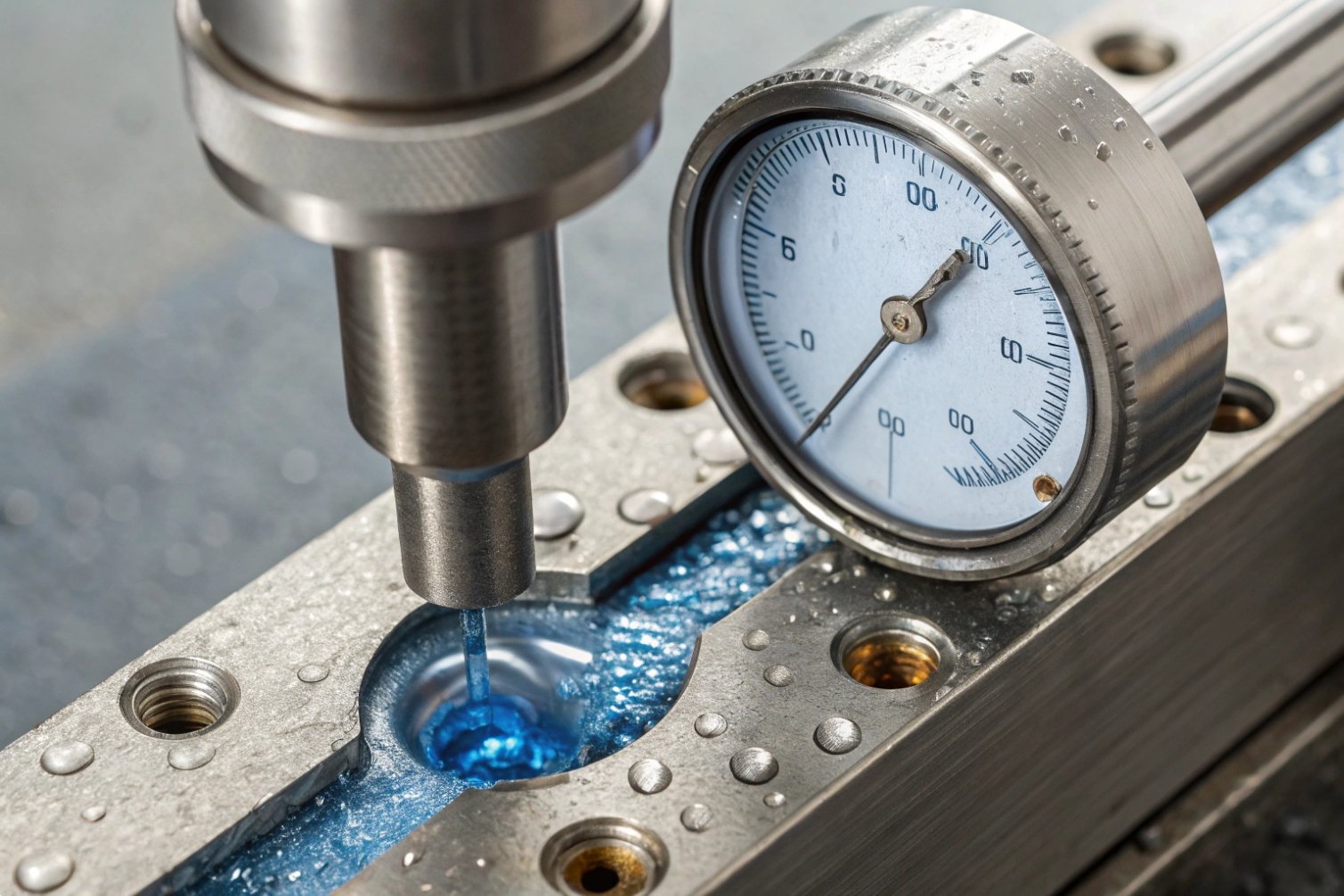
To achieve optimal sealing and structural stability, the following practices are employed:
Technologies and Testing
- Pressure Tests: Ensures ends withstand specified load pressures and maintain integrity.
- Material Analysis: Evaluates durability, ensuring longevity and seal effectiveness.
Structural Stability Measures
- Support Reinforcements: Augmented edge designs for enhanced endurance and shape retention.
- Vacuum Assurance: Maintaining airtight seals bonds the can ends, preventing structural failures.
Compliance Annotations
- Industry Standards: Regular compliance checks align products with international safety and quality norms 8.
- Performance Certifications: Securing relevant certifications boosts consumer confidence.
Focusing on these aspects helps maintain product quality across various custom shapes 9.
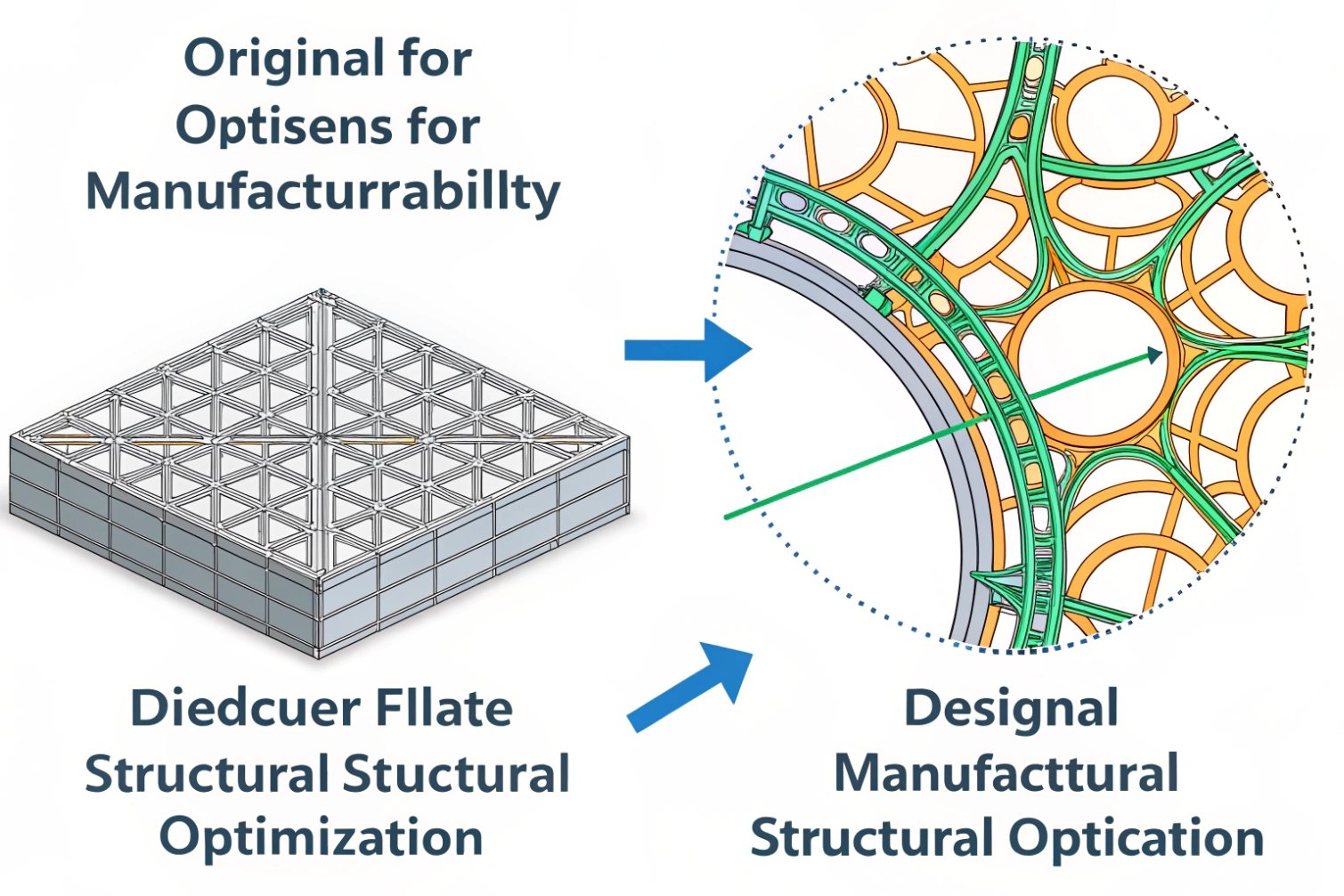
Can you provide DFM (Design for Manufacturability) support and structural optimization advice for my unique Easy Open Ends designs?
Opening paragraph:
Efficient design and manufacturing call for tailored DFM support to optimize custom creations for Easy Open Ends.
Featured paragraph:
DFM support facilitates smoother transitions from design to production, incorporating structural optimization insights that reduce complexity and improve manufacturability of unique Easy Open Ends designs.
Dive deeper paragraph:
DFM support 10 comprises evaluation and guidance, promoting functional and manufacturable designs.
DFM Evaluation Steps
- Design Analysis: Reviews geometric complexities for manufacturability.
- Material Selection: Advises on suitable materials balancing cost and performance.
Optimization Techniques
- Simplified Geometry: Reduces complication in design without compromising aesthetics.
- Material Efficiency: Utilizes materials efficiently, ensuring cost-effective production.
Ongoing Support
- Iterative Adjustments: Continuous feedback during prototyping enhances design usability.
- Collaborative Approach: Manufacturers provide inputs and support throughout the design phase.
This collaboration encourages successful and efficient production of custom Easy Open Ends.
Conclusion
Customizing Easy Open Ends for square and irregular shapes combines innovation with precision, ensuring functionality and distinguishing your brand.
Footnotes
1. Learn about the diverse technologies and materials used by Easy Open Ends manufacturers. ↩︎
2. Explore how tinplate and aluminum’s properties support flexible and strong irregular packaging shapes. ↩︎
3. Insights into the cost and time challenges of small batch production for custom tooling and setup. ↩︎
4. Understand the key aspects vital for successful customization in Easy Open Ends design. ↩︎
5. Information on the initial conceptualization process using CAD modeling for new mold development. ↩︎
6. Explanation of how the complexity of a design influences the lead time for mold development. ↩︎
7. Read about the specific considerations and processes for manufacturing irregularly shaped can ends. ↩︎
8. Details on the importance of complying with international safety and quality standards for metal packaging. ↩︎
9. Discover the latest trends and practices for maintaining product quality across various custom packaging shapes. ↩︎
10. Guide to Design for Manufacturability (DFM) support for optimizing unique product designs for production. ↩︎