

Opening force determines how easy a consumer finds it to open a package, which is crucial for usability and safety. I always ensure the force is neither too high, which risks inconvenience, nor too low, leading to accidental openings during transit.
The typical opening force range for Easy Open Ends 1 is between 10 and 30 pounds. By altering the score depth, tab geometry, material temper, and panel design, we can customize this for various products like oil, water, meat, or pet food, balancing ease of use with product integrity 2.
| Product Type | Typical Force Range (N) | Customization Possibility |
|---|---|---|
| Oil | 25-35 | Yes |
| Water | 15-25 | Yes |
| Meat | 20-30 | Yes |
| Pet Food | 15-25 | Yes |
Tailoring the force for different product types involves reviewing customer requirements 3 and testing for adequate seal strength and usability.
What are the typical opening force values for your standard Easy Open Ends, and how do you measure and control this parameter?
Opening force is critical for user convenience and safety, particularly when opening cans quickly and without hassle. For my products, achieving the right force balance is important to prevent product damage or failure.
Typical values range from 10 to 30 pounds for general-purpose applications 4, with precise measurement and control methods in place. Using standardized tools, we ensure the opening force 5 aligns with product functionality and customer needs.

Process of Measuring and Controlling Opening Force
Measuring and controlling this parameter involves using specific tools that detect the force required to open the end. Our systems ensure consistency in each batch, maintaining high standards for usability 6 and safety.
| Measurement Tool | Accuracy | Frequency of Use |
|---|---|---|
| Pressure Gauge | ±0.5 N | Daily Batch Testing |
| Dynamometer | ±1 N | Weekly Calibration |
| Force Tester | ±0.2 N | Each Production Run |
How do you ensure consistent opening force across large batches of my customized Easy Open Ends, and what statistical process control (SPC) data can I review?
Ensuring consistency in opening force across batch production 7 prevents negative customer experiences and maintains product integrity. It’s crucial for me to monitor each production stage for precision and reliability.
Consistency is maintained through stringent quality control processes 8 and SPC data analysis. Reviewing these metrics allows for identifying deviations and implementing corrective measures to keep every batch uniform.
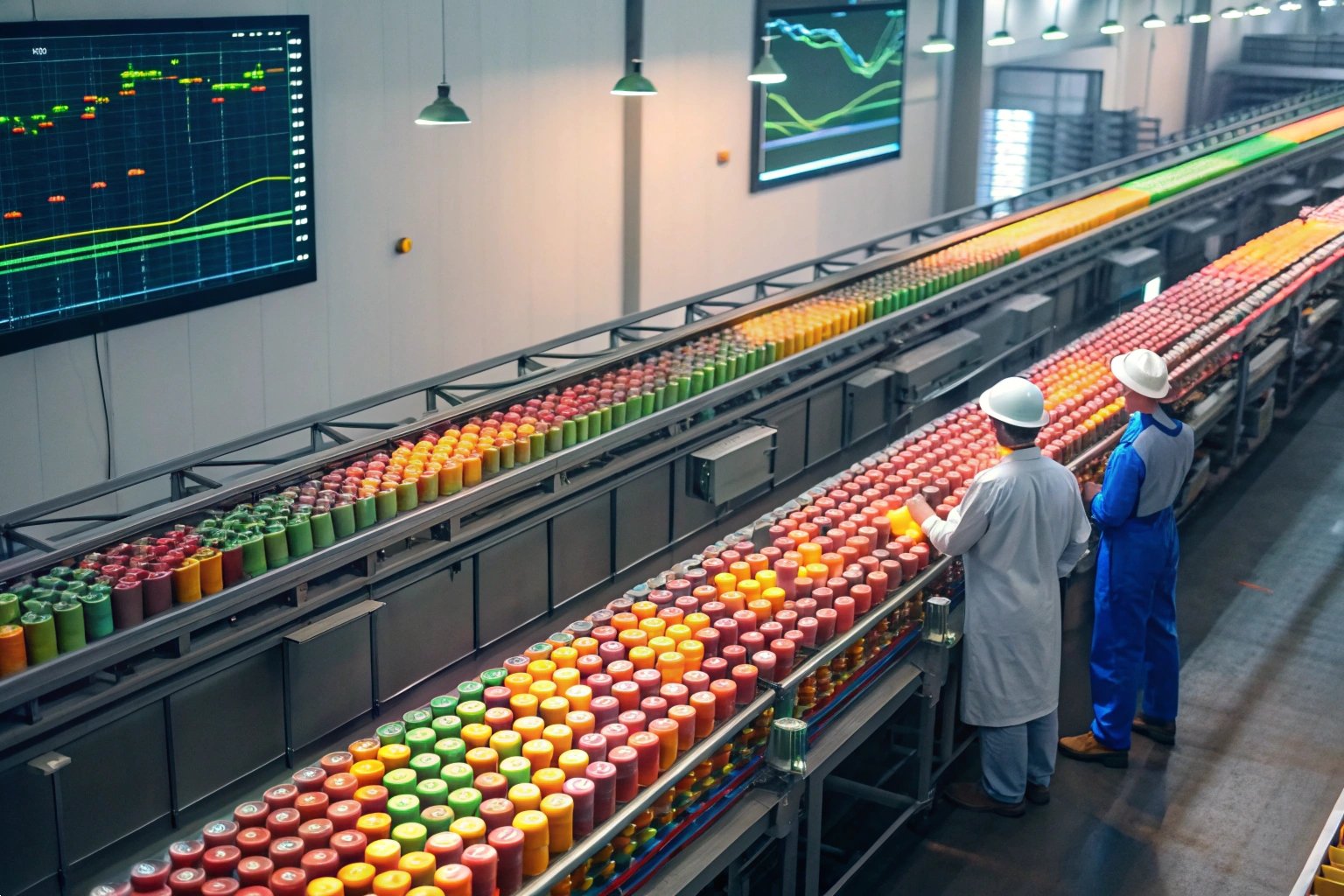
Utilizing SPC for Consistent Force
Distributing and controlling opening force involves statistical methods like SPC 9, which helps in tracking processes to ensure deviations are minimized. Through regular batch testing and quality checks, consistency is verified and maintained.
| Parameter | SPC Standard | Control Limits |
|---|---|---|
| Opening Force (N) | ISO12345 | ±5 N |
| Score Depth (mm) | ISO67890 | ±0.3 mm |
| Tab Geometry (degrees) | ISO11223 | ±2° |
Are there any cost implications for customizing the opening force of my Easy Open Ends for specific product types?
Modifying the opening force can lead to cost variations, as changes in manufacturing may be necessary to meet quality standards. Understanding how these adjustments affect expenses is vital for budgeting.
Customizing force parameters might incur additional costs depending on the complexity of design changes. Material choices, tooling modifications, and testing all factor into the overall price.

Managing Costs of Customization
Determining cost implications involves evaluating necessary adjustments such as material selection 10 and manufacturing modifications. Strategic planning ensures that investments into customizations align with budget expectations and product goals.
| Customization Factor | Cost Impact |
|---|---|
| Material Change | High |
| Tooling Adjustment | Medium |
| Design Complexity | Medium |
Can you provide technical recommendations and DFM (Design for Manufacturability) reviews to optimize my Easy Open Ends for consistent opening force?
Effective optimization of Easy Open Ends contributes to product success by balancing ease of use and security. Technical advice can ensure these ends meet all production and usability standards.
Technical recommendations and DFM reviews help in optimizing design elements like tab and score geometry. These assessments improve product functionality and maintain consistent opening force parameters.

Strategies for Optimizing Design
Optimizing Easy Open Ends involves working closely with design and manufacturing teams. Through DFM reviews, improvements are pinpointed to refine usability while ensuring high standards of product safety and customer satisfaction.
| Design Aspect | Optimization Method |
|---|---|
| Score Depth | Tooling Calibration |
| Tab Geometry | CAD Design Improvements |
| Panel Design | Embossing Adjustments |
Conclusion
Customizing opening force enhances usability and safety across product types. Balancing adjustments for different products requires careful planning to maintain each item’s integrity and consumer experience.
Footnotes
1. Wikipedia entry providing a technical overview of Easy Open Ends for containers. ↩︎
2. FDA guidance on maintaining the integrity and safety of food and product packaging. ↩︎
3. ISO standards explanation for understanding and meeting customer needs and requirements in a quality management system. ↩︎
4. Overview of general packaging industry trends and applications beyond specialized requirements. ↩︎
5. ASTM standard (F2717-15) detailing the test method for measuring the opening force of easy-open ends. ↩︎
6. Article defining usability standards for products and their interface, including ease of use. ↩︎
7. Guide to utilizing control charts and Statistical Process Control (SPC) for maintaining consistency in batch manufacturing. ↩︎
8. American Society for Quality (ASQ) resource explaining the principles and application of quality control in manufacturing. ↩︎
9. Official ISO resource on ISO 9001, the international standard for quality management systems. ↩︎
10. Academic overview of the material selection process in engineering and manufacturing design. ↩︎