
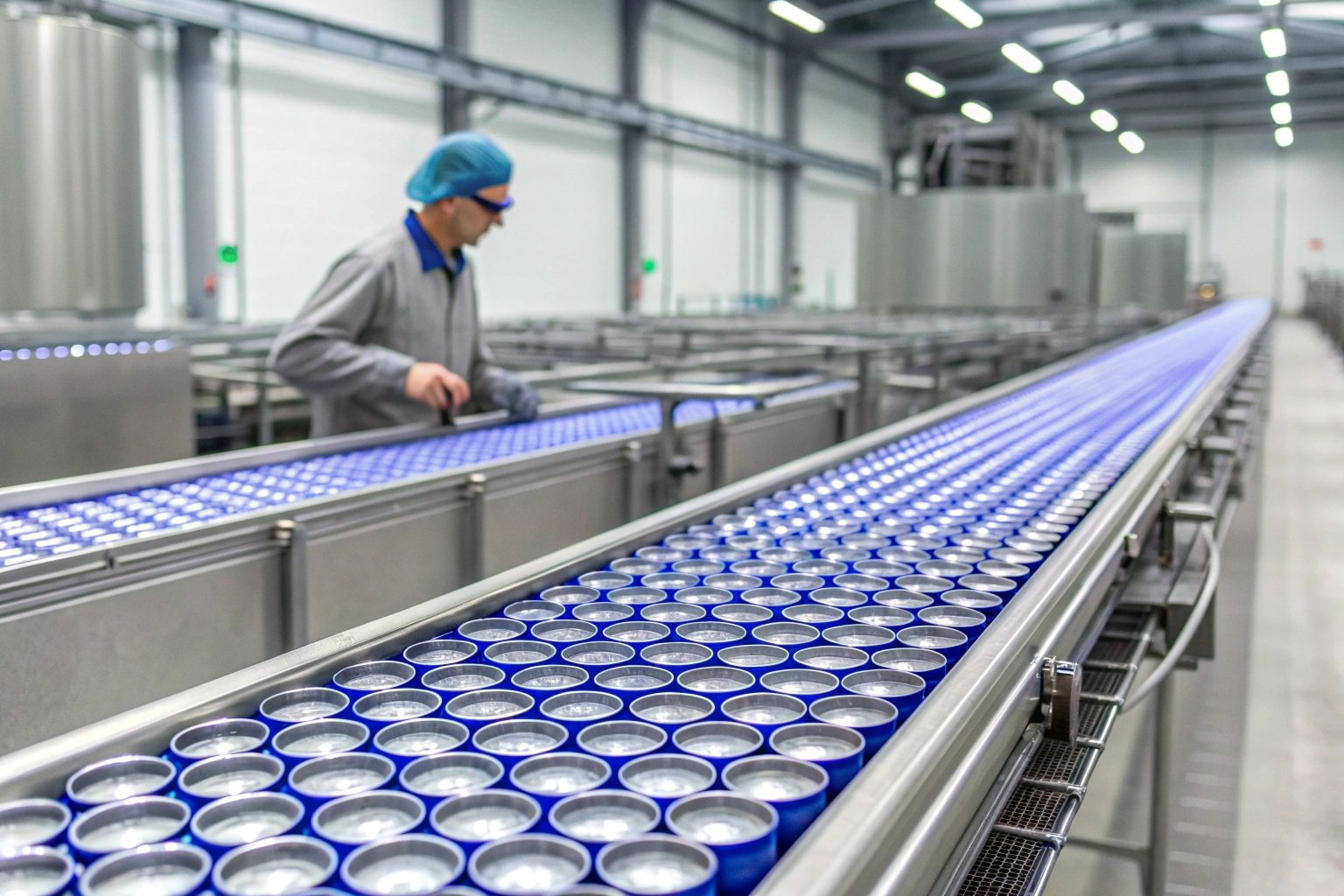
The printing process on our Easy Open Ends supports both UV and LED curing inks, 1 crucial for promoting efficient and durable designs on non-porous surfaces like metal. Ensuring compatibility with these widely-used inks is non-negotiable, otherwise, subsequent printing stages would hit a dead end, demanding an overhaul in ink or printing methods, which is impractical.
Both UV and LED curing inks are formulated to meet international food standards, 2 addressing migration risks. They ensure no harmful chemicals seep onto surfaces that could alter component performance or violate environmental standards. 3 When comparing with ordinary inks, UV/LED’s low migration characteristics stand out as they strictly adhere to safe requirements.
Abrasion resistance 4 is vital, particularly during transportation where the Easy Open Ends could encounter constant friction and impact. UV and LED inks typically surpass conventional inks in abrasion resistance, preventing print designs from rapid degradation or peeling, thus preserving product information for easy tracking.
What are the technical advantages and performance characteristics of UV versus LED curing inks for printing on my Easy Open Ends?
The necessity for supporting UV/LED curing inks 5 during printing cannot be overstated; they facilitate faster processing times. An absence of such compatibility would stall the printing phase, obligating an inconvenient change in technique solely for lid coating.
Both UV and LED curing inks excel in efficient curing times, strong adhesion, and resilience on metal surfaces typical of Easy Open Ends. These inks offer superior abrasion resistance compared to conventional inks, preserving design integrity through handling and use. Additionally, LED inks provide enhanced energy efficiency and consistent curing performance, reducing the heat impact on substrates. Their formulation also supports low migration and stability, aligning with food safety standards.

To dive deeper:
Understanding UV and LED Curing
UV and LED inks possess distinct characteristics essential for industrial applications. 6
-
Curing Speed:
UV inks cure rapidly when exposed to ultraviolet light, forming a robust polymer layer. LED curing delivers efficient, consistent results with reduced heat, benefiting delicate substrates. -
Adhesion and Durability:
Cured inks adhere strongly to metal surfaces, ensuring long-lasting design clarity and resistance against environmental factors. -
Migration and Food Safety:
These inks meet global food safety standards, reducing chemical migration concerns and ensuring food contact safety. -
Energy Efficiency:
LED curing is more energy efficient 7 than UV, cutting down operational costs and environmental heat impact.
Migration and Abrasion Comparison
Both UV and LED inks are tested for stability in migration and abrasion:
| Aspect | UV Curing Ink | LED Curing Ink |
|---|---|---|
| Energy Efficiency | Moderate | High |
| Heat Impact | Considerable | Minimal |
| Abrasion Resistance | Excellent | Superior |
| Migration Stability | High compliance | High compliance |
These formulations enhance environmental benefits by reducing volatile organic compounds, 8 maintaining ethical manufacturing practices.
How do you ensure that both UV and LED cured inks for my Easy Open Ends meet FDA/EU food safety regulations regarding migration and food contact?
Ensuring FDA/EU food safety compliance 9 for UV/LED inks in contact with food packaging is paramount. Any risk of harmful substance migration threatens component safety and regulatory adherence. By confirming compliance, we protect product integrity.
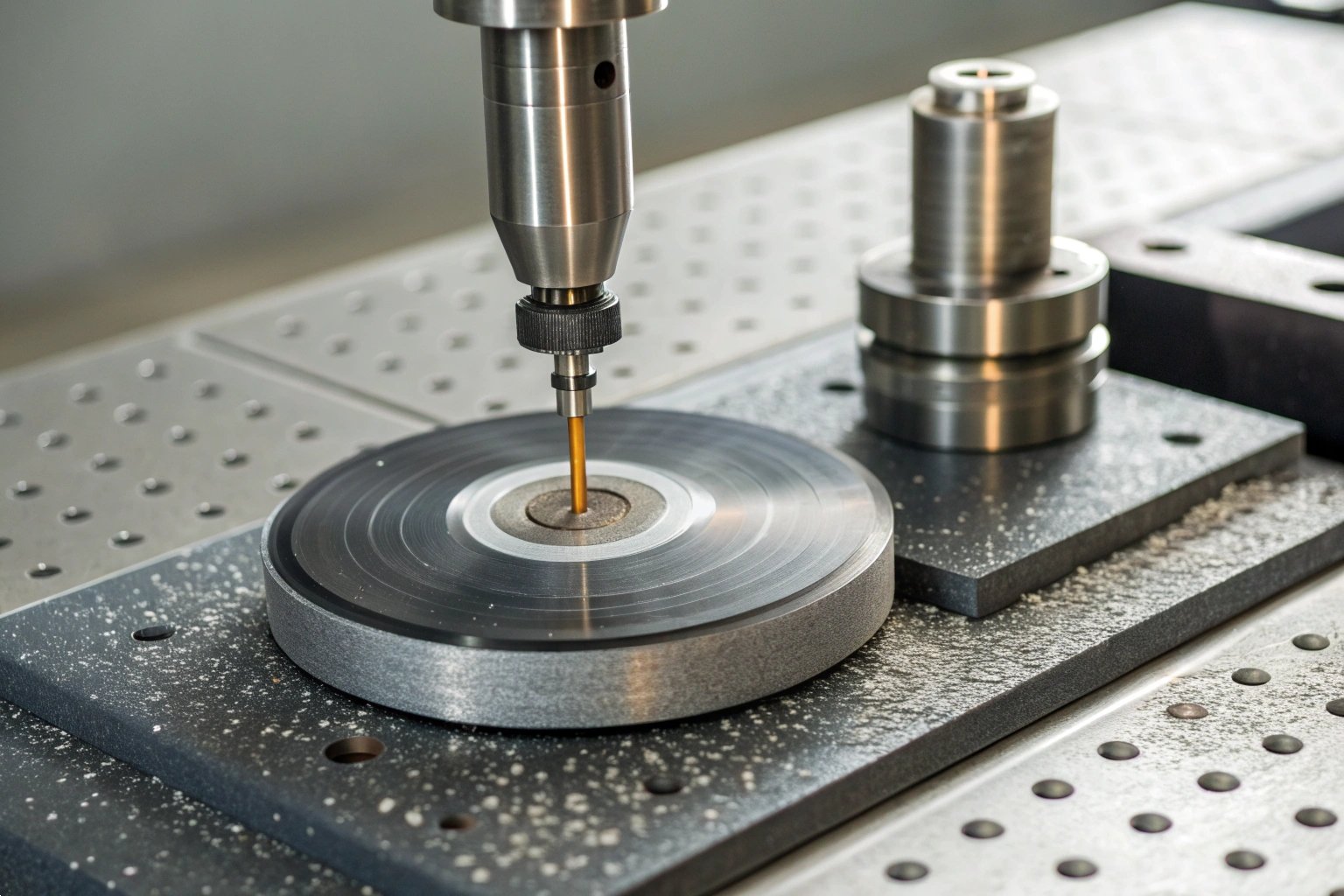
Both UV and LED cured inks are designed for low migration to adhere to strict food safety standards like EFSA and FDA. These inks are thoroughly selected to minimize chemical transfer from packaging to consumable surfaces, safeguarding consumer health. Low migration inks are extensively validated through rigorous testing to ensure compliance with food contact regulations, offering robust protection for packaged goods.
Dive deeper:
Ensuring Compliance
To meet regulations efficiently, several measures are adopted:
-
Material Testing:
Migration tests evaluate inks for chemical seepage, confirming adherence to food safety standards. 10 -
Validation through Certifications:
Establishing validation through FDA, EU, and other international certifications. -
Periodic Reviews:
Regular assessment of ink formulations ensures consistent compliance with evolving standards.
| Compliance Measure | Description |
|---|---|
| Validation Tests | Assess chemical migration |
| Certification Acquisition | Meet FDA/EFSA standards |
| Regular Assessments | Ensure ongoing compliance |
These practices ensure that ink formulations are safe for food contact surfaces, promoting sustained consumer trust.
Are there cost differences between using UV and LED curing inks for my Easy Open Ends, and what are the implications for my budget?
Incorporating UV/LED curing inks must consider cost impact carefully as increased costs or extended production timelines could deter efficiency. Balancing these considerations with cost-effectiveness is imperative.
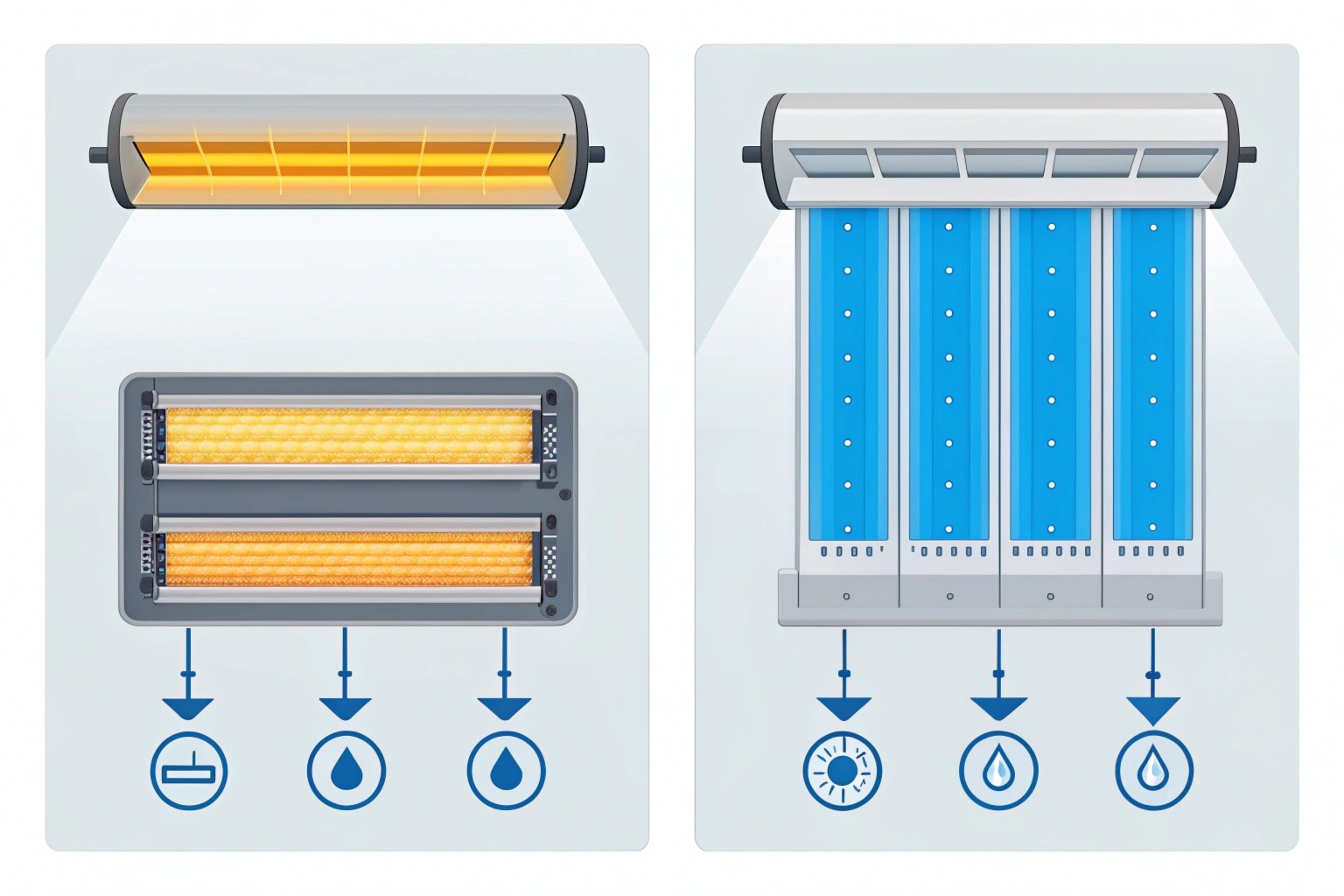
Cost differences arise with UV inks typically requiring greater energy use while LED options deliver cost efficiencies through reduced energy consumption and quicker setup times. LED’s energy efficiency can notably lessen operational expenses and optimize budgets for printing, especially in high-volume production. Evaluating these differences helps make informed decisions to balance cost implications against operational benefits.
Dive deeper:
Cost Consideration
Comparing UV and LED inks involves multiple cost factors:
-
Energy Consumption:
LED curing, with its energy-efficient profiles, fosters cost savings by reducing power needs. -
Operational Efficiency:
Quick setup and curing times cut labor and time investment. -
Production Costs:
Long-term savings manifest in reduced expenses from efficient curing systems.
| Cost Factor | UV Curing Ink | LED Curing Ink |
|---|---|---|
| Energy Use | High | Low |
| Setup and Process Time | Longer | Quick |
| Long-term Cost Impact | Moderate Savings | Significant Savings |
Careful evaluation of UV and LED characteristics informs strategic budgeting, optimizing production without compromising quality.
Can I receive technical data or SGS reports on the abrasion resistance and migration properties of your printed Easy Open Ends?
Acquiring tangible test data 8 is crucial for establishing the reliability of printed products. This is vital for transparency and trust, similar to procuring quality reports for chassis components.
Certainly, we provide technical data including SGS reports 9 detailing ink migration and abrasion resistance. These reports quantify parameters like migration levels and abrasion cycles, providing assurity of ink performance. Access to detailed test data validates product quality, fostering confidence in purchasing decisions.

Dive deeper:
Technical Data Analysis
Technical reports often include:
-
Migration Levels:
Specifies permissible migration ranges, ensuring compliance with safety norms. -
Abrasion Cycles:
Quantifies endurance against physical wear, demonstrating durability.
Access to these metrics offers reliability:
| Data Type | Details Provided |
|---|---|
| Migration Metrics | Permissible levels |
| Abrasion Testing | Cycles and durability |
The provision of SGS reports fortifies our commitment to quality assurance, openly sharing data to inform buying choices.
Conclusion
In summary, UV and LED curing inks provide superior compatibility, abrasion resistance, and reduced migration risk, aligning with food safety standards. These inks bring about enhanced efficiency, reliability, and compliance for printing on Easy Open Ends.
Footnotes
1. Read about the versatility and applications of UV and LED curable inks in printing. ↩︎
2. Official guidance on food contact substances from the U.S. Food and Drug Administration (FDA). ↩︎
3. Summary of the Clean Air Act which sets national ambient air quality standards. ↩︎
4. Explanation of abrasion resistance and its importance in protecting surfaces from wear. ↩︎
5. Information on UV offset printing and its technical specifications for packaging. ↩︎
6. Article detailing the increasing adoption and benefits of UV-LED curing technology in industrial processes. ↩︎
7. Explore the multiple advantages of switching to UV-LED curing, including energy savings. ↩︎
8. EPA resource explaining volatile organic compounds (VOCs) and their environmental impact. ↩︎
9. Overview of global food contact compliance regulations in Europe, the US, and worldwide. ↩︎
10. Information on ISO 22000, which specifies requirements for a food safety management system. ↩︎