
Have you ever thought about the different surface coatings 1 available for Easy Open Ends? In the packaging industry, choosing the right coating can make a huge difference. For procurement professionals like me, understanding these options means better decision-making and improved product performance.
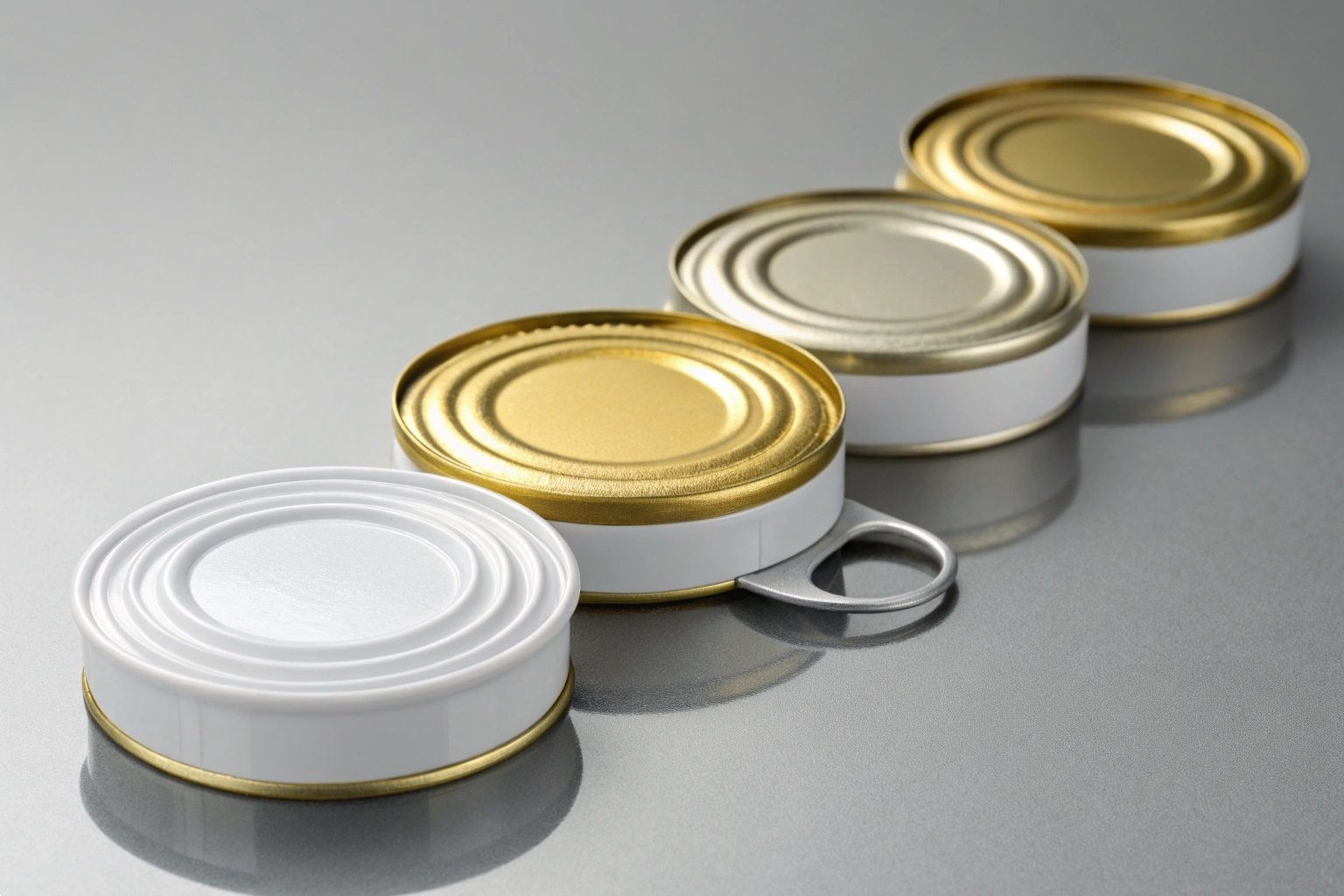
Choosing the right coating for your Easy Open Ends is crucial for protecting both the product and your brand. Available options include white enamel, gold enamel, clear lacquer, and matte finishes, each with distinct properties. White enamel offers a clean appearance; gold enamel adds a luxurious feel; clear lacquer protects while maintaining visibility, and matte provides a modern look. Selecting the correct finish can enhance both functionality and aesthetics.
It’s essential to know the varied options because selecting the appropriate coating not only impacts the durability and safety 2 of the product but also aligns with brand aesthetics. Keep reading to discover which option might be best for your packaging needs.
What Are the Technical Specifications for Each Coating Option, Especially Regarding Corrosion Resistance Against My Specific Food Contents?
Understanding the technical specifications 3 for each coating option is like getting the blueprint for success. I always prioritize corrosion resistance, as this ensures the longevity and quality of our packaging.
Each coating type has unique specifications. White enamel offers robust corrosion protection and is widely used for its durability; gold enamel provides premium corrosion resistance with aesthetic beauty; clear lacquer prioritizes visibility and moderate corrosion protection, while matte finishes are visually appealing with comparable rust resistance. The protection level largely depends on the coating material and application process.
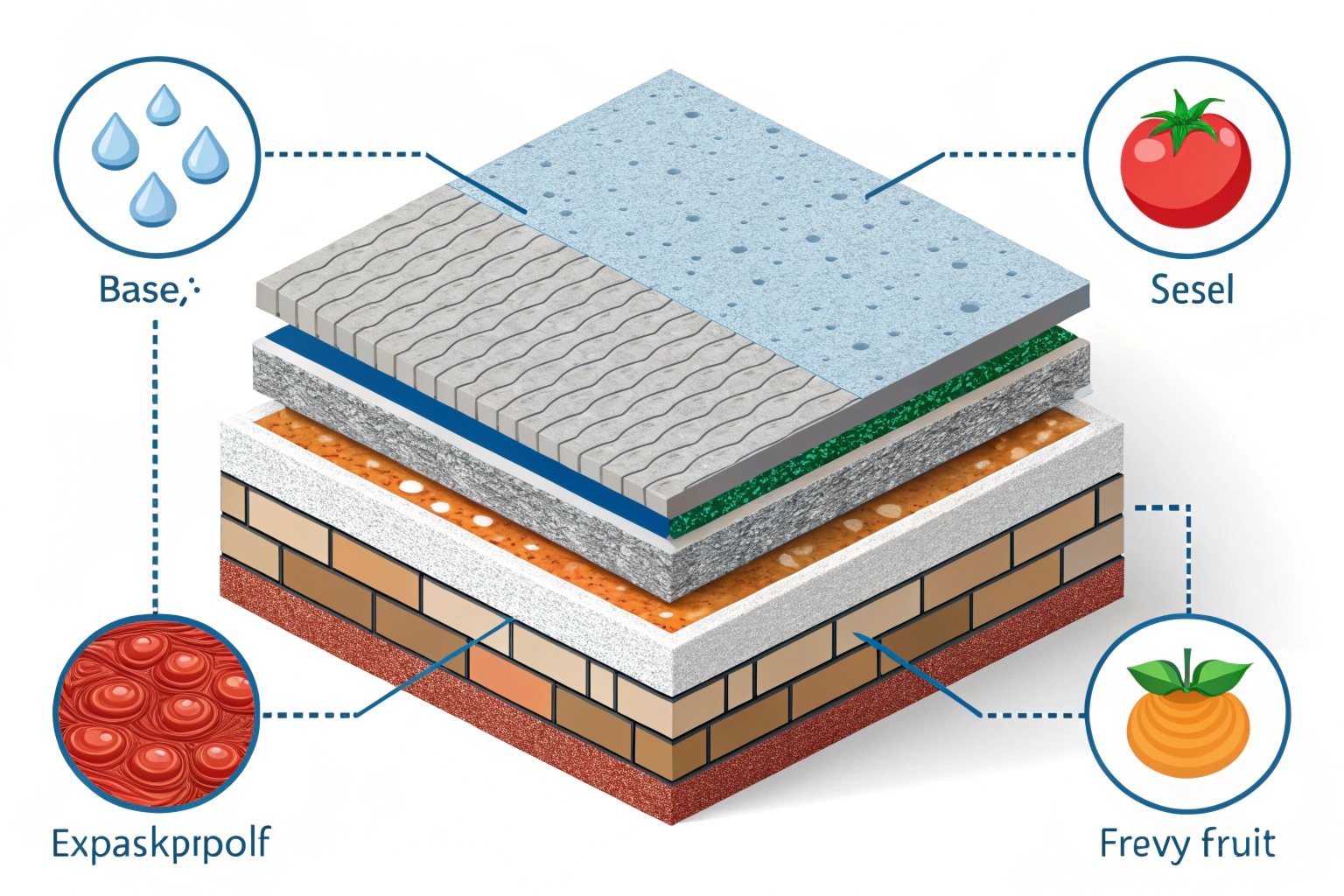
Delving deeper into technical details, the choice of coating must consider factors such as chemical composition, thickness, and curing processes. When it comes to corrosion resistance, white and gold enamels are often formulated with epoxy and phenolic resins designed to withstand harsh environments. Their application ensures a layer that’s both protective and decorative. Clear lacquers, made from acrylics or nitrocellulose, may be less robust but offer the advantage of transparency. Whether matte or glossy, the finish affects the overall durability and efficacy. 4
Technical Specifications and Corrosion Resistance
| Coating Type | Material Composition | Corrosion Resistance | Suggested Use |
|---|---|---|---|
| White Enamel | Epoxy/Acrylic | High | Exterior/Interior |
| Gold Enamel | Epoxy Phenolic | Very High | Luxury Products |
| Clear Lacquer | Acrylic/Nitrocellulose | Moderate | Branding |
| Matte Finish | Varies | Comparable | Modern Aesthetics |
The choice should heavily depend on the specific environment your product will face, such as exposure to acids, moisture, or salts from certain food contents. Evaluating these factors keeps your Easy Open Ends effective against their operating conditions. 5
Do Your Coating Options, Including BPA-NI, Meet FDA 21 CFR 175.300 and EU Food Contact Regulations for My Global Market Needs?
Certifications and regulations can often seem overwhelming, but understanding them is a part of my diligence as a procurement manager. Meeting these standards is non-negotiable for our global market needs. 6
BPA-NI coatings provided, such as those of white and gold enamel, are formulated to comply with FDA 21 CFR 175.300 and relevant EU regulations, ensuring food safety across borders. Clear lacquers and matte finishes undergo strict testing to meet these global standards. Compliance with these regulations means the coatings are deemed safe for food contact by U.S. and EU authorities.

Globally, regulatory compliance is a critical checkpoint. According to FDA and EU standards, BPA-NI (Bisphenol A – Non-Intentionally added) coatings are developed to exclude harmful substances, ensuring consumer safety while maintaining excellent protective properties. 7 These standards govern the types of resins and additives used, making sure they don’t migrate into food. Staying compliant also involves rigorous in-house testing and external audits, ensuring that all packaging materials stand the test of both consumer safety and legal frameworks.
Regulatory Compliance Measures
| Regulation | Coating Type | Compliance Status | Testing Requirement |
|---|---|---|---|
| FDA 21 CFR 175.300 | All Options | Compliant | Third-Party Verification |
| EU Standards | BPA-NI, Others | Compliant | SGS Reports Required |
The commitment to these regulations assures you, the client, that the coatings meet high safety standards essential for global distribution.
How Do the Different Coating Options Impact the Unit Cost of My Easy Open Ends, and What is Your Cost Advantage from China?
Cost considerations 8 play a major part in any procurement strategy. I always look for ways to optimize spending without compromising on quality.
The cost of coatings varies with material and application complexity. White enamel is generally cost-effective, while gold enamels can be pricier due to their premium appeal. Clear lacquer and matte can offer a balanced cost depending on specifications. Manufacturing in China often provides a cost advantage, due to scale and efficient production processes.

Taking a precise look at costs, disparities often emerge from materials used, production techniques, and labor requirements. Gold enamels demand more resource-intensive processes, raising the cost. Production efficiency in China, supported by a skilled workforce and advanced technology, often means lower costs passed on to you. 9 This results in competitive pricing without sacrificing the quality of coatings.
Cost Impact of Coating Options
| Coating Type | Material Costs | Application Costs | Total Cost |
|---|---|---|---|
| White Enamel | Low | Moderate | Low-Moderate |
| Gold Enamel | High | High | High |
| Clear Lacquer | Moderate | Low | Moderate |
| Matte Finish | Variable | Moderate | Variable |
By opting for these coatings manufactured in China, you leverage both cost and quality, making your investment wise and productive.
Can I Get SGS Reports or Other Third-Party Verification for the Food Safety and Performance of My Chosen Coatings?
Ensuring product safety through third-party verification reassures me of the choices I make. It’s a crucial step in maintaining customer trust and product credibility. 10
Yes, SGS reports or equivalent third-party verifications are available for all coating options. These reports evaluate food safety compliance and performance metrics, ensuring your chosen coatings meet high standards. Obtaining trusted certifications provides transparency and authentication of product claims.

Diving into verification details, third-party testing, such as the Swiss-based SGS, is integral to verifying claims from manufacturers. These assessments cover a spectrum of areas from chemical composition, food contact safety, to performance under stress conditions. Certification from recognized bodies provides peace of mind that your coatings adhere to stringent industry and safety benchmarks.
Conclusion
Choosing the right surface coatings for Easy Open Ends affects both performance and perception. Your coating choices should align with durability needs, regulatory requirements, and cost considerations for optimal results.
Footnotes
1. Learn more about the different types and applications of surface coatings in packaging. ↩︎
2. Insights on how packaging coatings enhance product safety and longevity. ↩︎
3. Detailed review of the technical specifications for packaging coatings. ↩︎
4. Analysis of how the final finish (matte or glossy) impacts packaging performance. ↩︎
5. Guide to food safety measures regarding product exposure to corrosive elements. ↩︎
6. Explore the essential role of a procurement manager in supply chain compliance. ↩︎
7. Review of European Food Safety Authority (EFSA) standards for food contact materials. ↩︎
8. Key strategies for managing and optimizing costs in supply chain procurement. ↩︎
9. Report on the advantages of manufacturing efficiency in China’s industrial sector. ↩︎
10. Learn about third-party verification services for ensuring product quality and safety. ↩︎